














Root Canal Treatment in Novena, Singapore
Root canal treatment for patients in Novena at Alpha Dental Group, 20 Cecil Street. Covers symptoms, the treatment steps, comfort, crowns, aftercare and FAQs.
A tooth that is severely decayed, cracked or affected by an infection may cause persistent pain, sensitivity or discomfort when biting. In some cases, the soft tissue inside the tooth, known as the dental pulp, can become inflamed or infected. Root canal treatment may be recommended to remove the affected tissue, clean the inside of the tooth and help preserve the natural tooth.
If you live in Novena or travel through Singapore's Central Business District for work, having access to convenient dental care can make it easier to seek treatment when you experience ongoing tooth pain. Located at 20 Cecil Street, Alpha Dental Group Singapore provides root canal assessments and treatment planning for patients experiencing symptoms of a damaged or infected tooth.
What Is Root Canal Treatment?
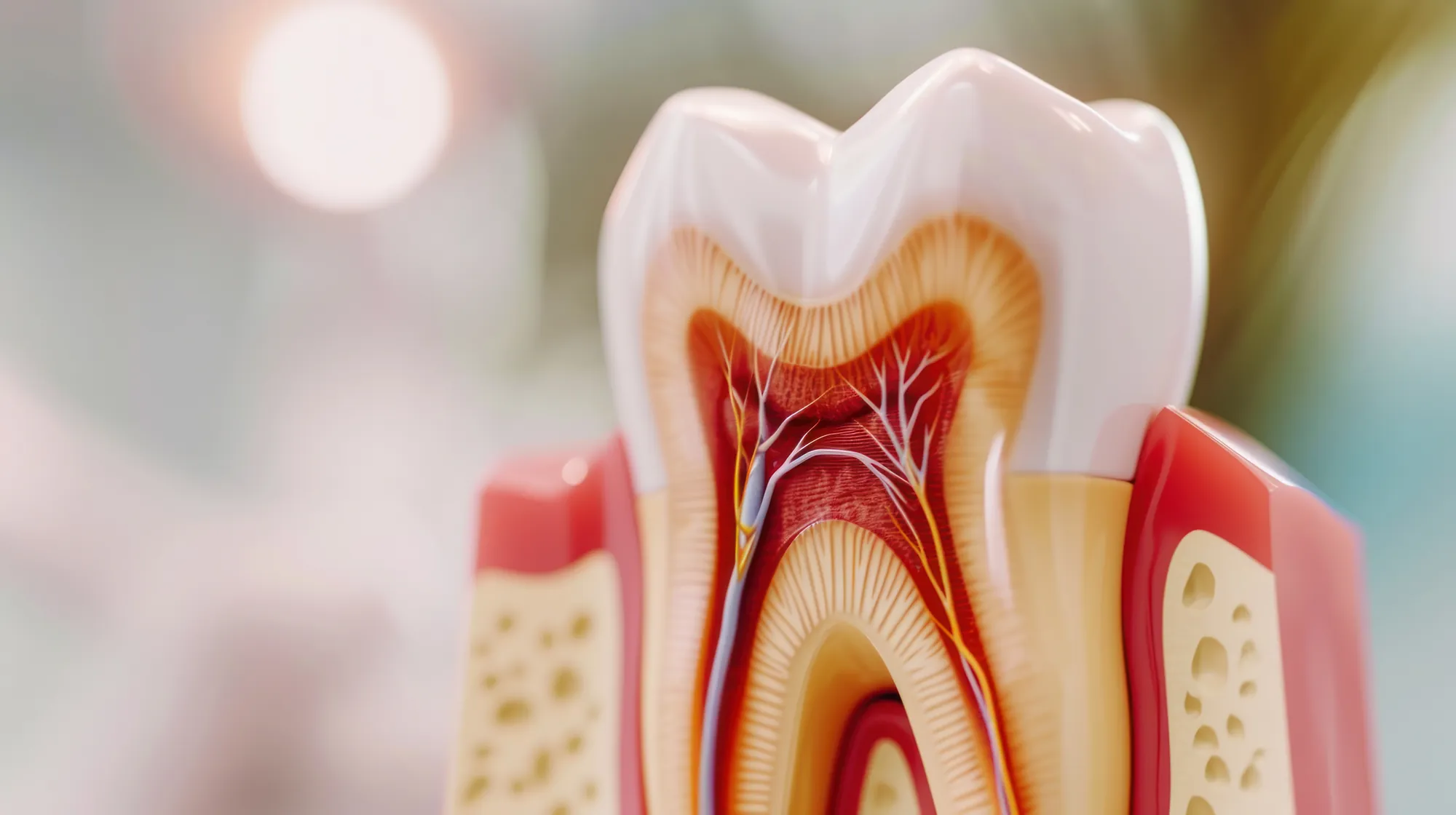
Root canal treatment is a dental procedure used to treat inflammation or infection affecting the pulp inside a tooth.
The dental pulp contains nerves and blood vessels. When deep decay, trauma or a crack allows bacteria to reach the pulp, the tissue can become inflamed or infected.
During root canal treatment, your dentist removes the affected pulp, cleans and disinfects the root canal system, and then seals the space to help prevent further infection.
Depending on the condition of the tooth, a dental crown may subsequently be recommended to provide additional protection and restore its function.
You can learn more about our root canal treatment services and the treatment options available at Alpha Dental Group.
When Might You Need Root Canal Treatment?
Root canal treatment may be considered when the pulp inside a tooth has become irreversibly inflamed or infected.
Possible causes include:
- Deep tooth decay
- A cracked or fractured tooth
- Dental trauma
- Repeated dental procedures on the same tooth
- Extensive damage to the tooth
- Bacterial infection reaching the dental pulp
Not every toothache requires root canal treatment. Your dentist will examine the tooth and may recommend dental X-rays or other diagnostic tests to determine the cause of your symptoms.
If you are experiencing persistent tooth pain, a dental examination can help identify the underlying problem.
What Are the Signs You May Need a Root Canal?
Symptoms can vary depending on the tooth and the extent of the problem. Possible signs include:
- Persistent toothache
- Pain when biting or chewing
- Prolonged sensitivity to hot or cold foods and drinks
- Increased sensitivity that continues after the source of heat or cold has been removed
- Swelling around the affected tooth
- Tender or swollen gums
- A darkening or discolouration of the tooth
- A recurring pimple or abscess on the gum
Some teeth with pulp infection may cause little or no noticeable discomfort, particularly in certain stages of the condition. This is why a dental assessment is important if your dentist identifies signs of infection or damage.
What Happens During Root Canal Treatment?
The exact treatment process depends on the condition of your tooth, but root canal treatment generally involves several stages.
Initial Examination
Your dentist will examine the affected tooth and discuss your symptoms. Dental X-rays may be taken to assess the roots, surrounding bone and extent of the problem.
The dentist will also consider whether the tooth can be restored and whether root canal treatment is an appropriate option.
Local Anaesthesia
Local anaesthesia is used to numb the area around the tooth before treatment begins.
This helps minimise discomfort during the procedure.
Removing the Infected Pulp
A small opening is made in the tooth to access the pulp chamber and root canals. The inflamed or infected pulp tissue is carefully removed.
Cleaning and Disinfecting the Canals
The root canals are cleaned and shaped to remove remaining debris and reduce the presence of bacteria within the canal system.
Sealing the Tooth
Once the canals have been cleaned, they are filled and sealed to help prevent bacteria from entering the treated area again.
Restoring the Tooth
After root canal treatment, the tooth may require a filling or dental crown depending on how much natural tooth structure remains and which tooth has been treated.
For a significantly weakened tooth, a dental crown may provide additional protection and help restore its shape and function.
Is Root Canal Treatment Painful?
One of the most common concerns about root canal treatment is whether the procedure will hurt.
Root canal treatment is performed under local anaesthesia, which numbs the treatment area during the procedure. You may experience some pressure or sensation during treatment, but your dentist will take steps to keep you as comfortable as possible.
Some tenderness or discomfort may occur after treatment as the tissues around the tooth recover. Your dentist can provide appropriate aftercare instructions based on your individual circumstances.
If you have significant or worsening pain following treatment, contact your dental practice for advice.
How Long Does Root Canal Treatment Take?
The treatment time depends on factors such as:
- Which tooth is being treated
- The number and shape of the root canals
- The extent of infection or inflammation
- Whether the tooth has previously received root canal treatment
- Whether additional restoration is required
Some root canal treatments can be completed in a single appointment, while more complex cases may require additional visits.
Your dentist can explain the expected treatment schedule after examining your tooth.
Does Every Root Canal-Treated Tooth Need a Crown?
Not necessarily.
Whether a crown is recommended depends on the amount of remaining tooth structure, the location of the tooth and the forces placed on it during chewing.
Back teeth often experience substantial chewing forces and may require additional protection after root canal treatment. In other situations, a suitable filling or other restoration may be considered.
Your dentist will assess the tooth and recommend the most appropriate restoration for its condition.
What Happens If an Infected Tooth Is Not Treated?
An untreated infection inside a tooth may continue to develop and can potentially affect the tissues surrounding the tooth.
Depending on the circumstances, this may lead to:
- Increasing tooth pain
- Swelling
- A dental abscess
- Tender gums
- Difficulty chewing
- Spread of infection to surrounding tissues
In some cases, an untreated tooth may eventually become unsuitable for preservation and require extraction.
If you have persistent tooth pain or swelling, seeking dental advice promptly can help determine whether treatment is required.
Root Canal Treatment or Tooth Extraction?
When a tooth has extensive damage or infection, your dentist may discuss whether it can be preserved with root canal treatment or whether extraction is more appropriate.
When a tooth can be predictably restored, preserving the natural tooth may be considered.
However, extraction may be recommended when the tooth is severely fractured, has insufficient remaining structure or cannot be restored successfully.
If a tooth needs to be removed, your dentist can also discuss tooth replacement options, including dental implants, bridges or dentures.
Can a Root Canal Tooth Get Infected Again?
A tooth that has undergone root canal treatment can sometimes develop further problems.
This may happen if bacteria enter the treated tooth again, if the tooth develops a new crack or if the original treatment does not fully resolve the infection.
A suitable restoration, good oral hygiene and regular dental examinations can help maintain the treated tooth.
If a previously treated tooth develops pain, swelling or other symptoms, your dentist can assess the tooth and determine whether further treatment may be required.
How Can You Look After a Root Canal-Treated Tooth?
After treatment, maintaining good oral hygiene is important for protecting the treated tooth and your overall oral health.
You should:
- Brush your teeth twice a day with fluoride toothpaste
- Clean between your teeth daily
- Follow your dentist's instructions after treatment
- Avoid putting excessive force on a temporarily restored tooth
- Attend recommended follow-up appointments
- Have regular dental examinations and professional cleaning when advised
Maintaining the health of the surrounding teeth and gums is also important. Our general dentistry services can help support your ongoing oral health.
Root Canal Treatment Near Novena
Alpha Dental Group is located at #01-04 PLUS, 20 Cecil Street, providing convenient access for patients travelling from Novena and other parts of Singapore.
If you are experiencing persistent tooth pain, sensitivity, discomfort when biting or swelling around a tooth, an assessment can help determine the underlying cause.
Our dental team can examine the affected tooth, carry out appropriate diagnostic tests and discuss whether root canal treatment or another treatment option may be suitable.
We also provide a range of restorative dental treatments to help manage damaged, decayed or missing teeth.
Book a Root Canal Consultation Near Novena
If you're looking for root canal treatment near Novena, Singapore, Alpha Dental Group provides dental assessments and personalised treatment planning for patients experiencing tooth pain, sensitivity or suspected dental infection.
Contact our team at 20 Cecil Street, Singapore, to arrange a consultation and find out whether root canal treatment may be appropriate for your tooth.
Whether you need treatment for an infected tooth or are experiencing unexplained dental pain, an early assessment can help identify the cause and determine the appropriate next step.
Frequently Asked Questions on Root Canal Treatment in Novena
How do I know if I need a root canal?
Persistent tooth pain, prolonged sensitivity to hot or cold, pain when biting, swelling or an abscess may indicate inflammation or infection inside a tooth. However, these symptoms can have other causes, so a dental examination is needed to determine whether root canal treatment is appropriate.
Is root canal treatment painful?
Root canal treatment is performed under local anaesthesia to numb the treatment area. You may experience some pressure during the procedure and mild tenderness afterwards, but your dentist will provide appropriate advice to help manage any post-treatment discomfort.
How long does root canal treatment take?
The treatment time varies depending on the tooth, the complexity of the root canals and the extent of infection or inflammation. Some cases can be completed in one appointment, while others may require more than one visit.
Can a root canal save my natural tooth?
Root canal treatment is intended to remove infected or inflamed pulp while allowing the remaining tooth structure to be retained. Whether the tooth can be successfully preserved depends on its condition, the amount of remaining structure and other clinical factors.
Will I need a crown after a root canal?
Not every root canal-treated tooth requires a crown. The recommendation depends on factors such as the amount of remaining tooth structure, the location of the tooth and its expected chewing forces. Your dentist can advise you on the most appropriate restoration.
What happens if I do not treat an infected tooth?
An untreated dental infection may worsen and can lead to pain, swelling or an abscess. In some situations, the tooth may become more difficult to restore. Seeking an assessment can help determine the appropriate treatment.


