


.svg)











Gum disease, also known as periodontal disease, affects the tissues surrounding and supporting your teeth. At Alpha Dental Group, we assess and manage gum health to prevent progression and maintain the stability of your teeth. Gum disease begins when plaque, a sticky layer of bacteria, builds up along the gum line. If not addressed, it can lead to discomfort, tooth instability, and, in some cases, broader health concerns. Our team provides professional evaluation, monitoring, and tailored treatment to support long-term oral health.
Gum disease usually develops in stages. The earliest stage, gingivitis, is marked by red, swollen gums that may bleed when brushing or flossing. This stage is often reversible with consistent oral hygiene and professional dental care.
If gingivitis is not addressed, it can progress to periodontitis, where the infection reaches deeper into the gums and the bone supporting the teeth. Periodontitis may cause teeth to loosen or even be lost over time if untreated.
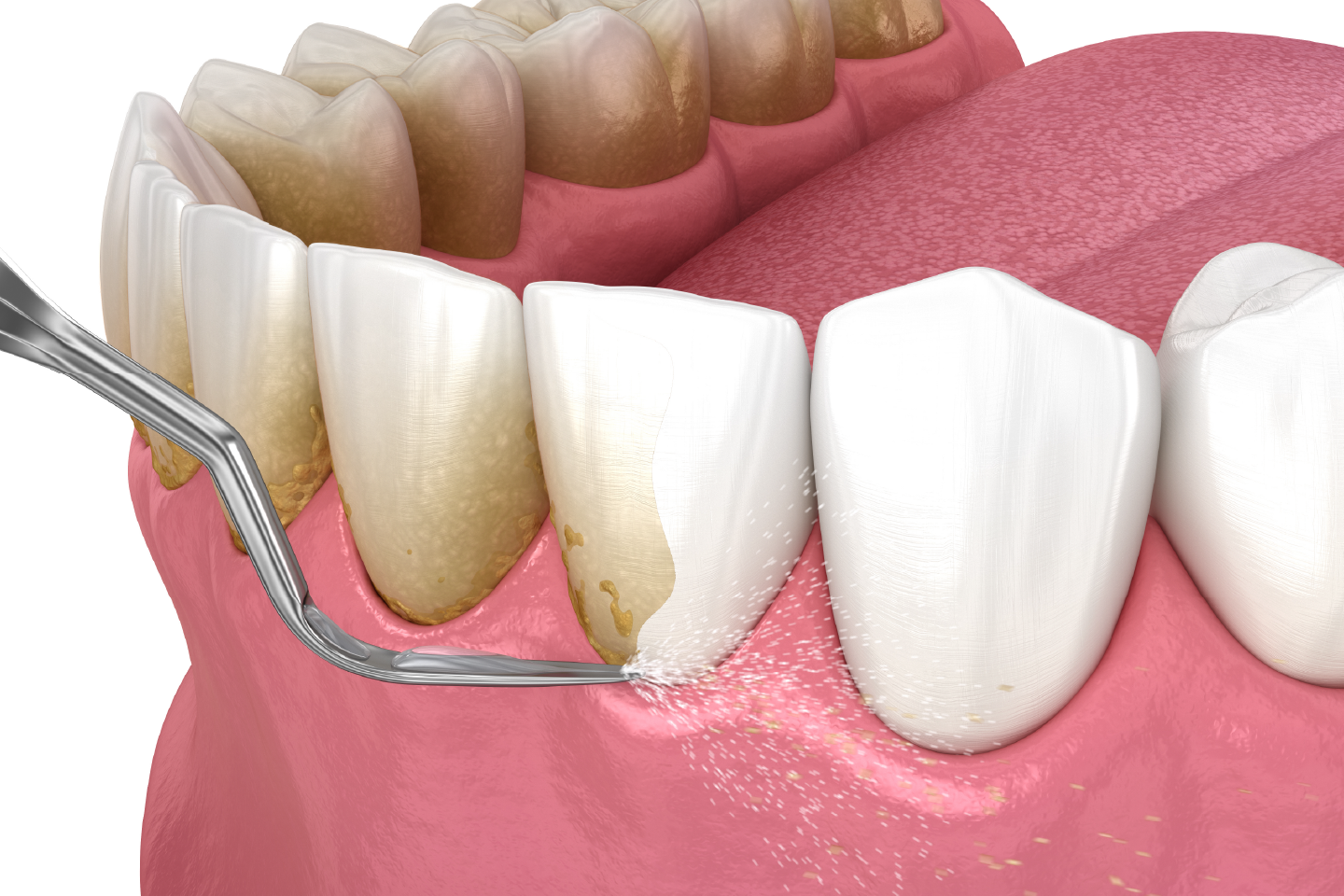
Plaque is the main cause of gum disease. This sticky film of bacteria forms on teeth and, if not removed through brushing and flossing, can harden into tartar. Tartar can only be removed by a dental professional.
Other factors that can increase the risk of gum disease include:
Gum disease can develop quietly, so recognising the signs early is important. Common symptoms include:
Regular dental check-ups are important because gum disease can progress without obvious pain.
A dentist will examine your gums and supporting structures to assess the extent of any disease. This may include:
Early detection allows for more effective management and reduces the risk of complications.
Treatment for gum disease depends on its severity and progression.
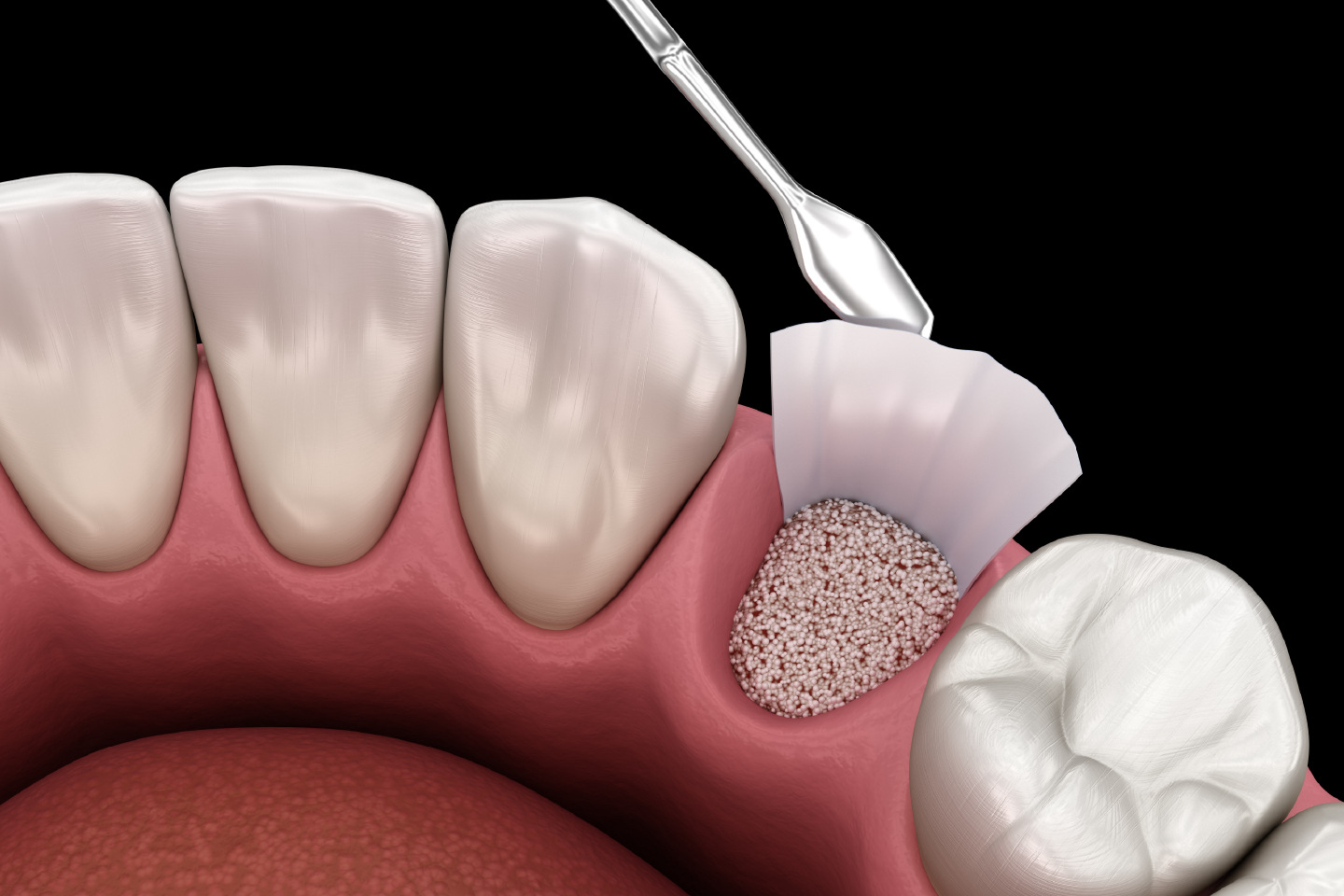
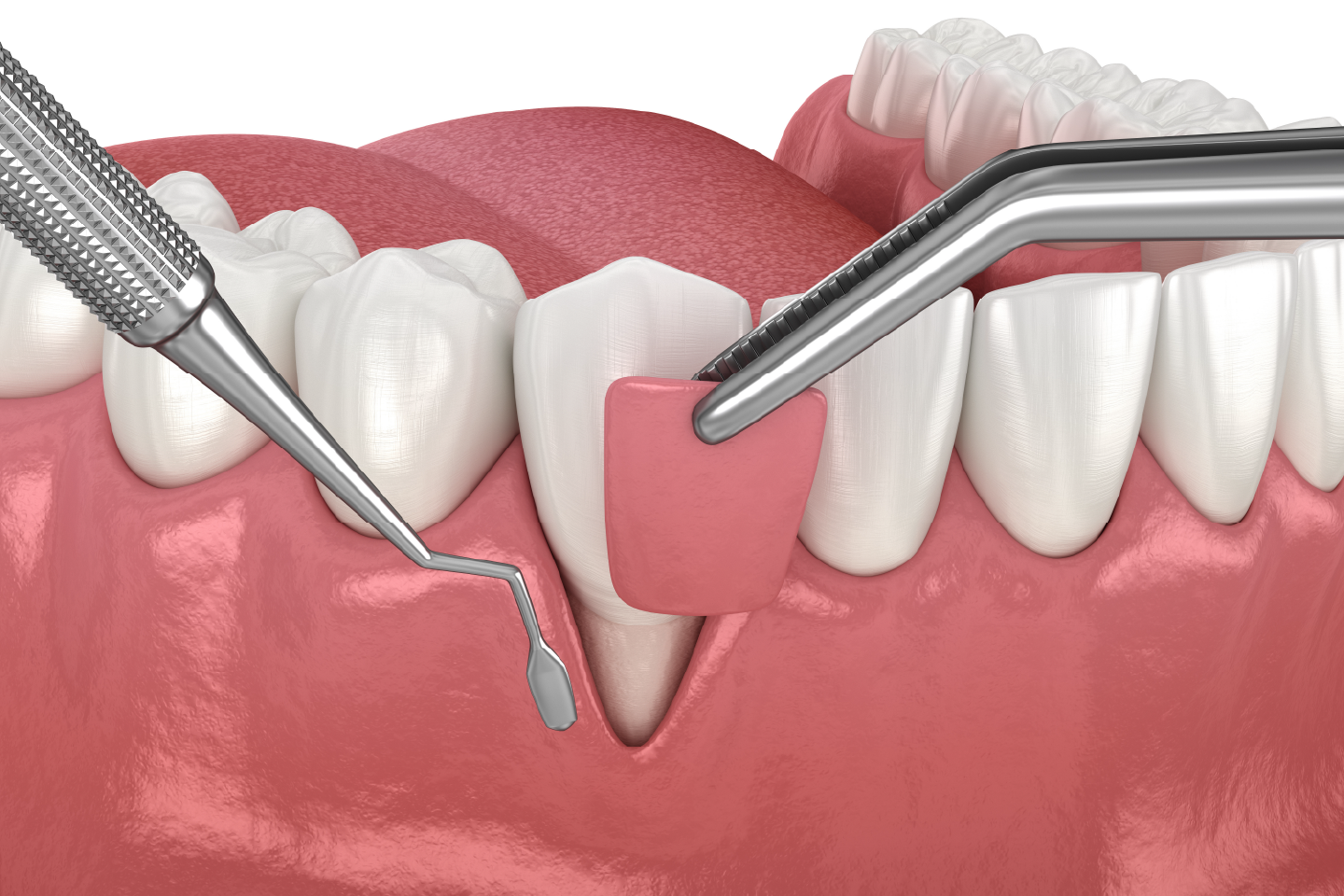
Advanced cases may require surgical intervention to restore gum and bone health:
Protecting your gums is about consistent daily care and professional support. Small habits can make a big difference:
Even simple, consistent steps can help prevent gum disease before it starts.
Home care is important, but professional guidance ensures gum disease is detected early and managed effectively. Dentists can provide personalised advice and monitor changes in your oral health over time.
If you notice any signs of gum disease or want to ensure your gums remain healthy, it’s important to seek professional advice. Alpha Dental Group can provide guidance and care tailored to your needs. Contact us today to arrange an appointment and take the first step towards healthier gums.









.svg)


