



Soft tissue grafting

Soft tissue grafting restores gum tissue lost to recession, protecting teeth and improving appearance.

Healthy gums form the foundation for a stable smile. When gum disease or other factors cause gum recession, the roots of teeth can become exposed, leading to sensitivity, aesthetic concerns, and a higher risk of further damage. Soft tissue grafting is a dental procedure designed to restore lost gum tissue, protect tooth roots, and support long-term oral health.

Understanding Gum Recession

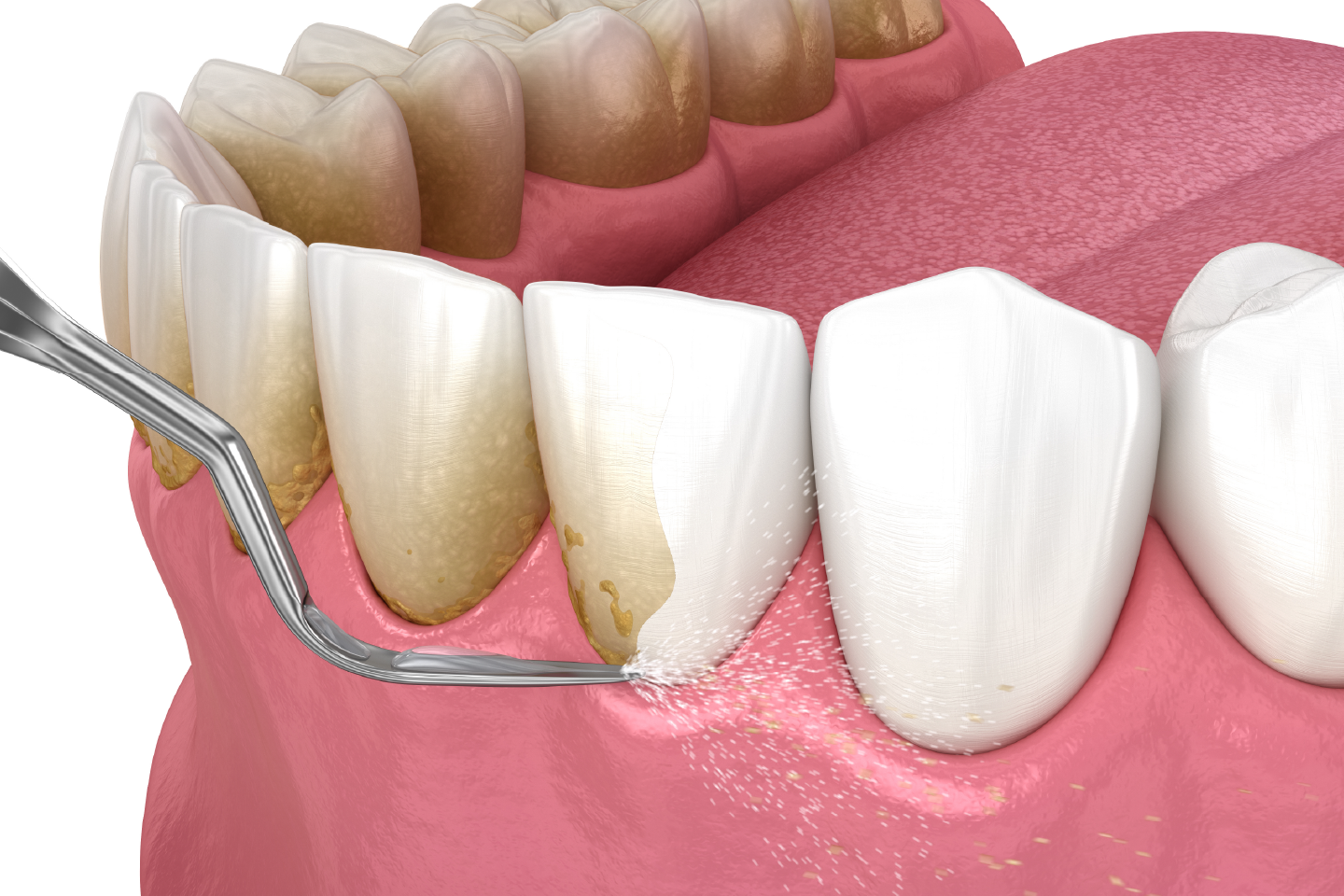
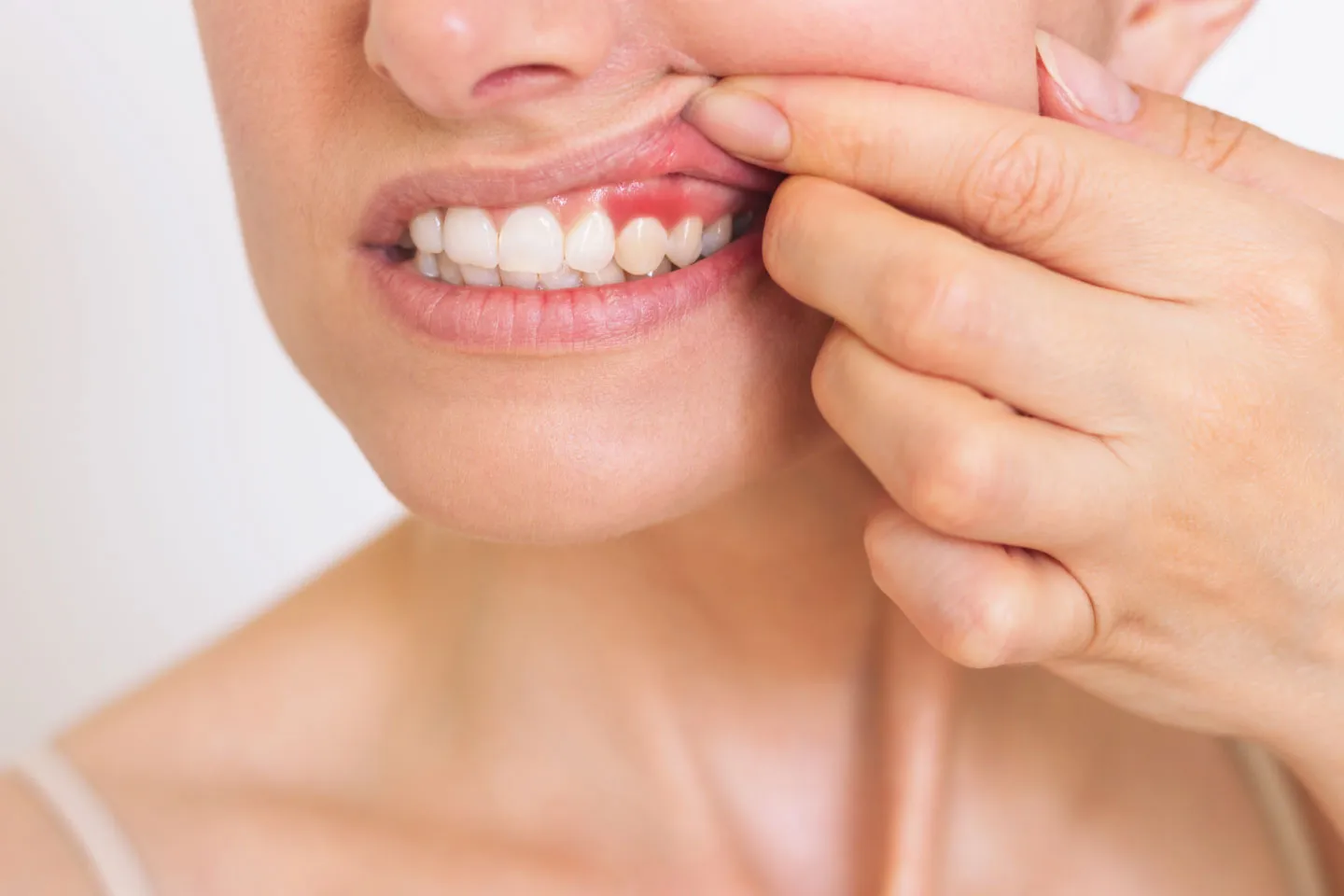
Gum recession occurs when the gum line pulls away from the teeth, exposing the underlying root surfaces. Unlike enamel, the roots are more vulnerable to decay, wear, and sensitivity. Gum disease is one of the most common causes of gum recession, but other factors may contribute as well.

Causes of Gum Recession

  • Periodontal disease: Infection and inflammation destroy supporting gum tissue.
  • Aggressive brushing: Using a hard-bristled toothbrush or brushing too forcefully can wear down gums.
  • Tooth misalignment: Uneven bite forces can contribute to localised gum loss.
  • Genetics: Some people are more prone to thin or fragile gum tissue.
  • Clenching or grinding: Excessive pressure on the teeth can damage surrounding tissues.

Gum recession is not just a cosmetic issue. It can have significant effects on oral health if left untreated.

Potential Consequences

  • Tooth sensitivity: Exposed roots may cause discomfort when eating or drinking hot, cold, or sweet items.
  • Increased decay risk: Roots are more susceptible to cavities compared to enamel.
  • Further gum disease progression: Receding gums can deepen periodontal pockets, trapping more bacteria.
  • Aesthetic concerns: Longer-looking teeth may affect the appearance of the smile.

What Is Soft Tissue Grafting?

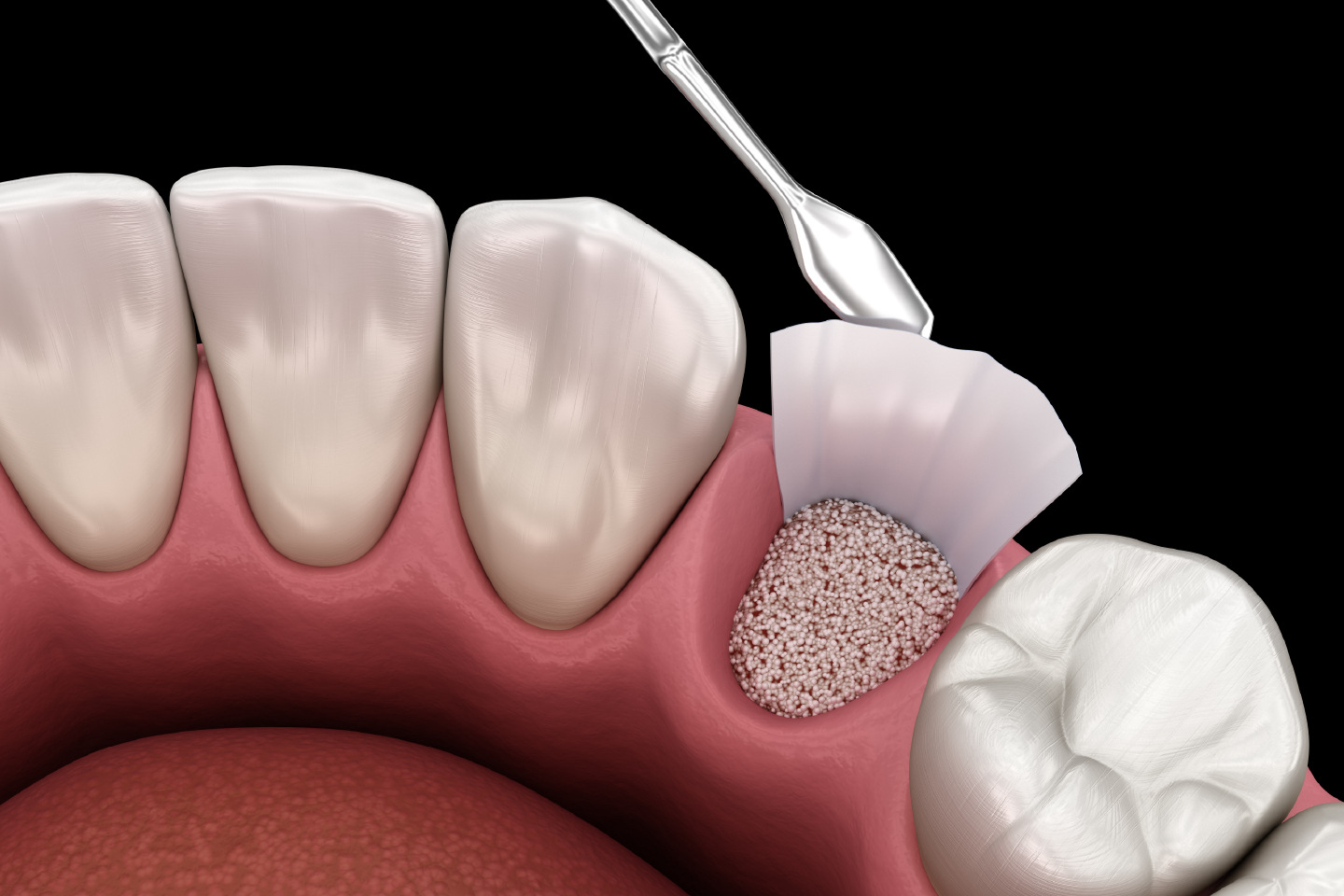
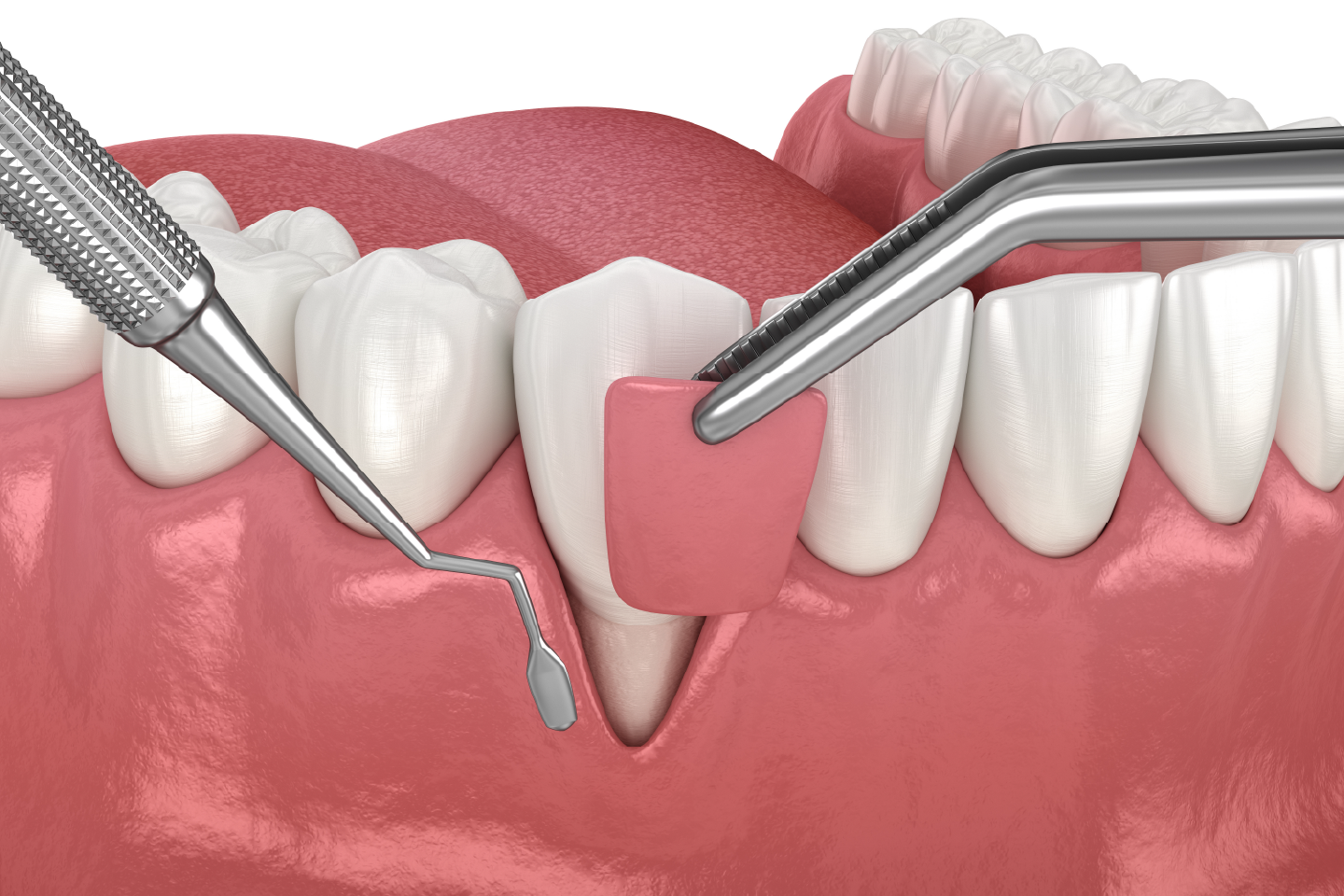
Soft tissue grafting is a periodontal procedure used to rebuild or reinforce the gum line. It involves taking a small amount of tissue, either from the patient’s palate or a donor source, and grafting it to areas where the gum has receded.

Goals of Soft Tissue Grafting

  • Cover exposed roots and reduce sensitivity.
  • Improve gum thickness and resilience.
  • Protect against further recession and bone loss.
  • Enhance the natural balance of the gum line.

Types of Soft Tissue Grafts

Different techniques are available depending on the extent of gum recession, the condition of existing tissues, and the patient's needs.

Connective Tissue Graft
  • The most common method for treating root exposure.
  • Tissue is taken from beneath the surface of the palate and placed over the exposed root.
  • Provides strong coverage and predictable results.
Free Gingival Graft
  • A thin layer of tissue is taken directly from the palate.
  • Often used to increase the thickness of thin gum tissue rather than covering large areas of recession.
Pedicle Graft
  • Uses gum tissue from an area right next to the affected tooth.
  • The tissue is partially cut and rotated over the exposed root, keeping its original blood supply intact.
  • Suitable for patients with sufficient healthy gum tissue nearby.

The Procedure: What to Expect

Knowing what happens during soft tissue grafting can help reduce anxiety and prepare patients for treatment.

Step 1: Assessment

A comprehensive examination is carried out to determine the extent of gum recession and the most suitable grafting technique. Pocket depth measurements, X-rays, and photographs may be taken.

Step 2: Anaesthesia

Local anaesthesia is administered to keep the procedure comfortable. In some cases, sedation may be offered for patients who feel anxious.

Step 3: Graft Placement

The chosen grafting method is performed. Tissue is carefully placed and sutured to cover the exposed area or thicken the gum.

Step 4: Healing Period

The surgical site is protected with dressings if required. Stitches are usually removed within one to two weeks. Complete healing may take several weeks, during which the graft integrates with the surrounding tissue.

Aftercare and Recovery

Following proper aftercare instructions is vital for successful healing.

Short-Term Care
  • Avoid brushing or flossing directly at the graft site until advised.
  • Use antimicrobial mouthwash as recommended to reduce bacterial build-up.
  • Eat soft foods for the first few days to avoid disturbing the graft.
  • Some mild swelling or discomfort may occur, but usually subsides within a few days.
Long-Term Care
  • Resume gentle brushing and flossing once healing allows.
  • Maintain regular dental visits to monitor gum health.
  • Address underlying causes such as aggressive brushing or teeth grinding.

Risks and Considerations

Soft tissue grafting is a safe and widely performed procedure, but, as with any surgical treatment, there are considerations.

Who May Need Soft Tissue Grafting?

Soft tissue grafting may be recommended if you:

  • Have gum recession with exposed roots.
  • Experience tooth sensitivity due to root exposure.
  • Have thin or fragile gum tissue prone to further recession.
  • Wish to reduce the risks of worsening gum disease or tooth loss.

Preventing Gum Recession

While grafting can restore lost gum tissue, prevention is equally important in maintaining long-term gum health.

  • Use a soft-bristled toothbrush and a gentle circular brushing motion.
  • Floss daily to remove plaque between teeth.
  • Attend regular dental check-ups for professional cleaning and monitoring.
  • Wear a night guard if you grind your teeth.
  • Manage health conditions, such as diabetes, that can affect gum health.

Book a Consultation with Alpha Dental Group

Soft tissue grafting is an effective way to restore gum tissue lost due to gum disease or other factors. Covering exposed roots and reinforcing thin gums, it helps protect teeth, improve comfort, and support overall oral health.

If you are concerned about gum recession or have been advised to consider soft tissue grafting, contact Alpha Dental Group to arrange a consultation. Our team will assess your gum health and guide you on the most suitable treatment options.

Menu

WhatsApp