


.svg)











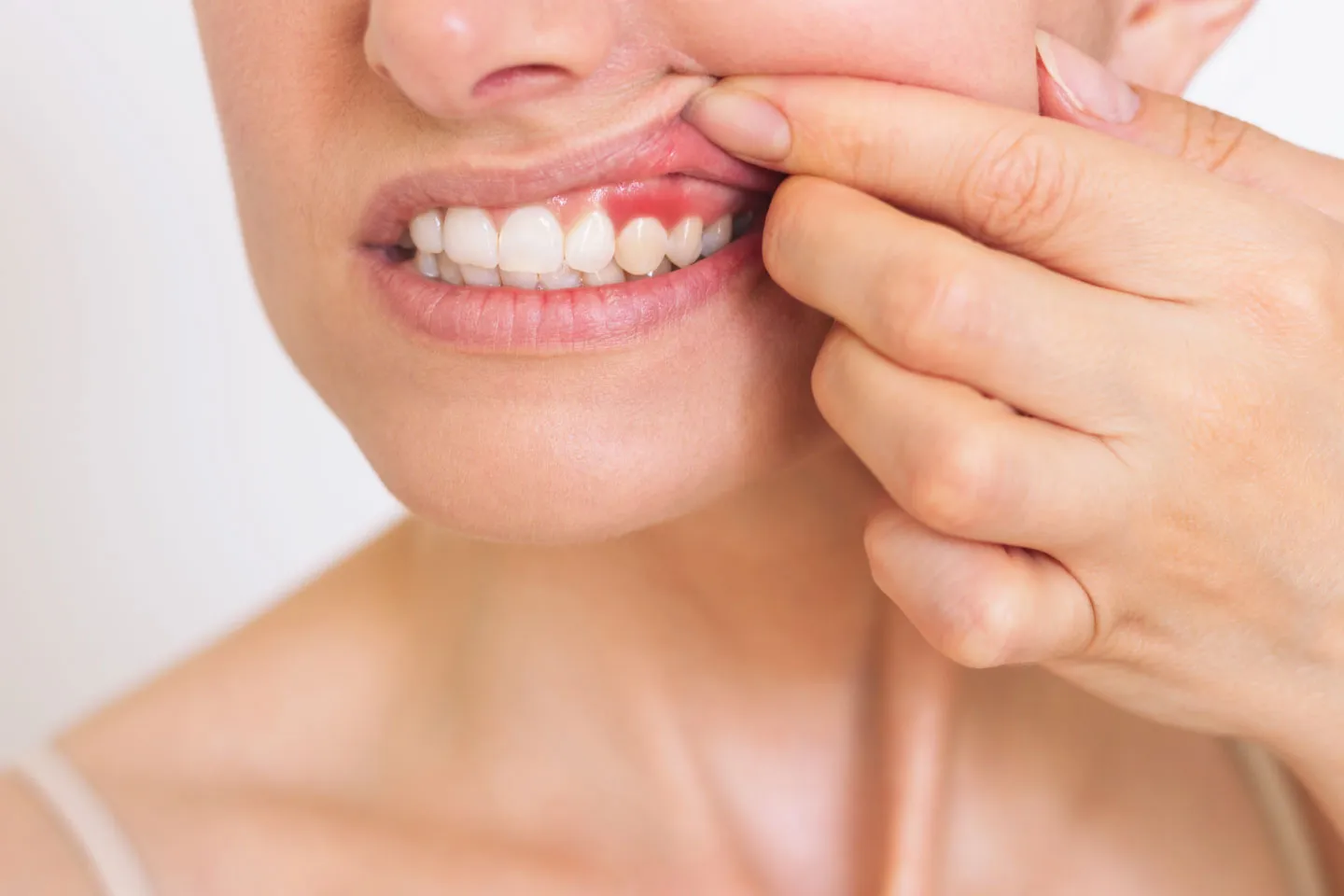
Gum disease, also known as periodontitis, is a progressive condition that damages the supporting structures of the teeth, including the gums, bone, and ligaments. If left untreated, it can lead to tooth mobility and eventual tooth loss. Regenerative procedures are specialised periodontal treatments aimed at restoring the tissues lost to gum disease. By encouraging the regrowth of bone and gum tissue, these procedures help preserve natural teeth and improve oral health.
Regenerative procedures are surgical techniques designed to rebuild and restore the tissues that support the teeth. Unlike treatments that only manage symptoms or halt the progression of gum disease, regenerative therapy focuses on repairing the damage already caused.
These treatments often involve the use of grafting materials, membranes, or proteins that stimulate the body’s natural ability to regenerate bone and gum tissue.
As gum disease advances, the infection destroys the bone and connective tissue that hold the teeth in place. Once this support is lost, teeth may become loose or shift. Regenerative procedures aim to:
Different approaches may be used depending on the severity of gum disease and the location of the damage.
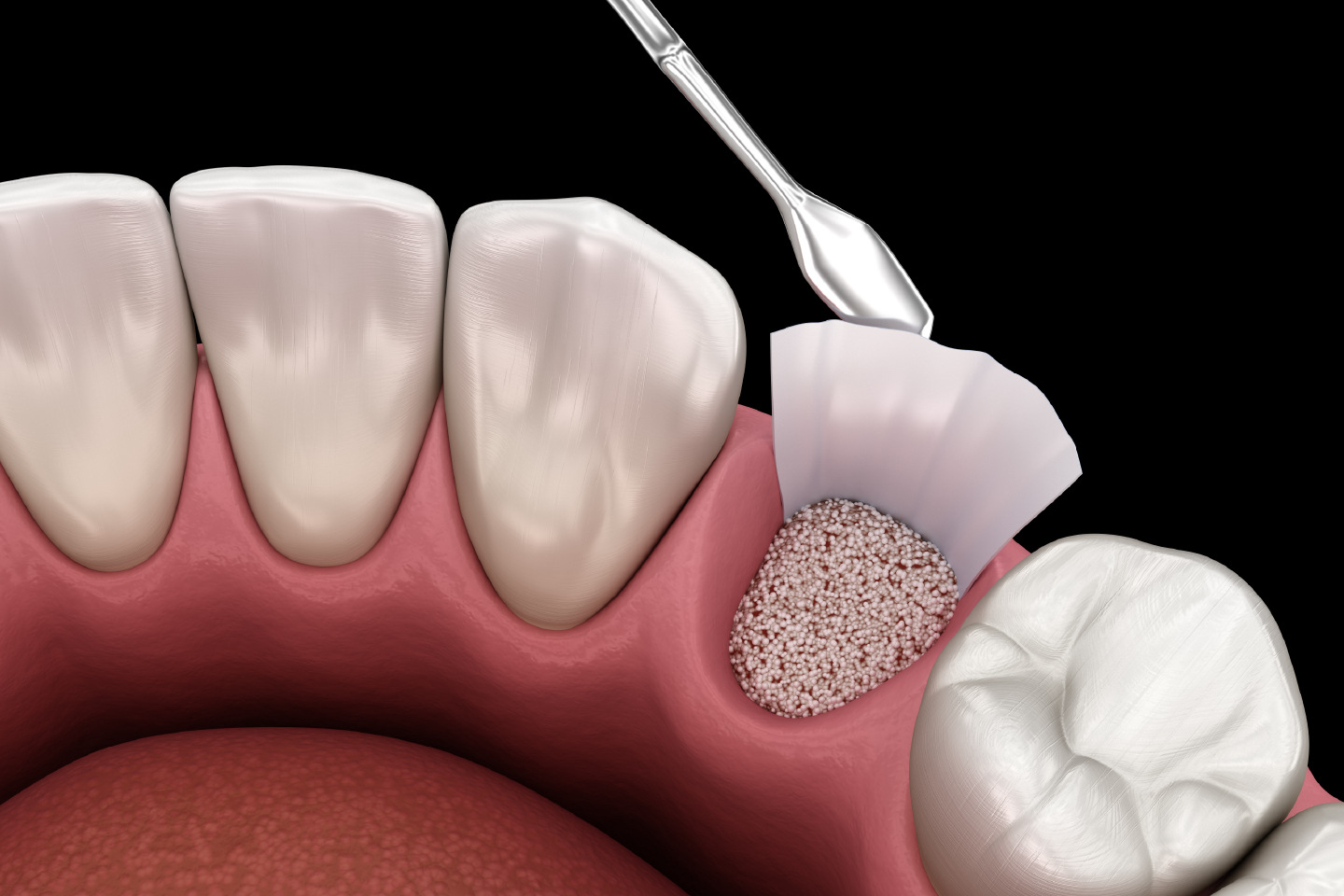
Bone grafting involves placing bone material around teeth where natural bone has been lost. The graft may come from the patient’s own body, a donor source, or synthetic material. Over time, the graft integrates with the existing bone, providing a stronger foundation for the tooth.
In guided tissue regeneration, a small membrane is placed between the gum tissue and bone. This barrier prevents the gum from growing into the bone space, allowing bone and connective tissue to regenerate without interference.
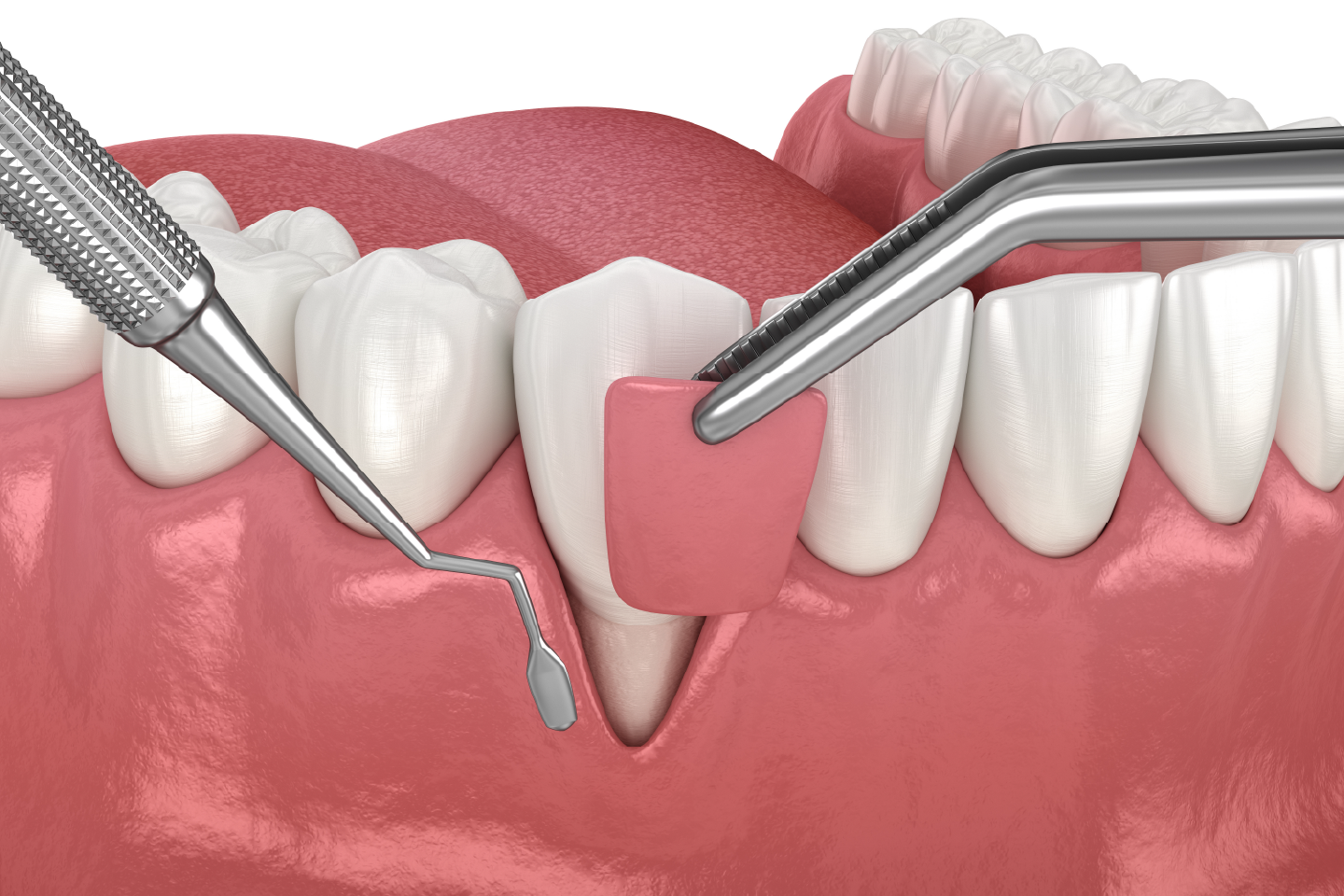
Soft tissue grafts may be used alongside regenerative procedures to rebuild gum tissue around teeth that have experienced recession due to gum disease.
Special proteins or biologically active agents can be applied to stimulate the body’s natural healing response. These encourage faster regeneration of bone and supporting tissue.
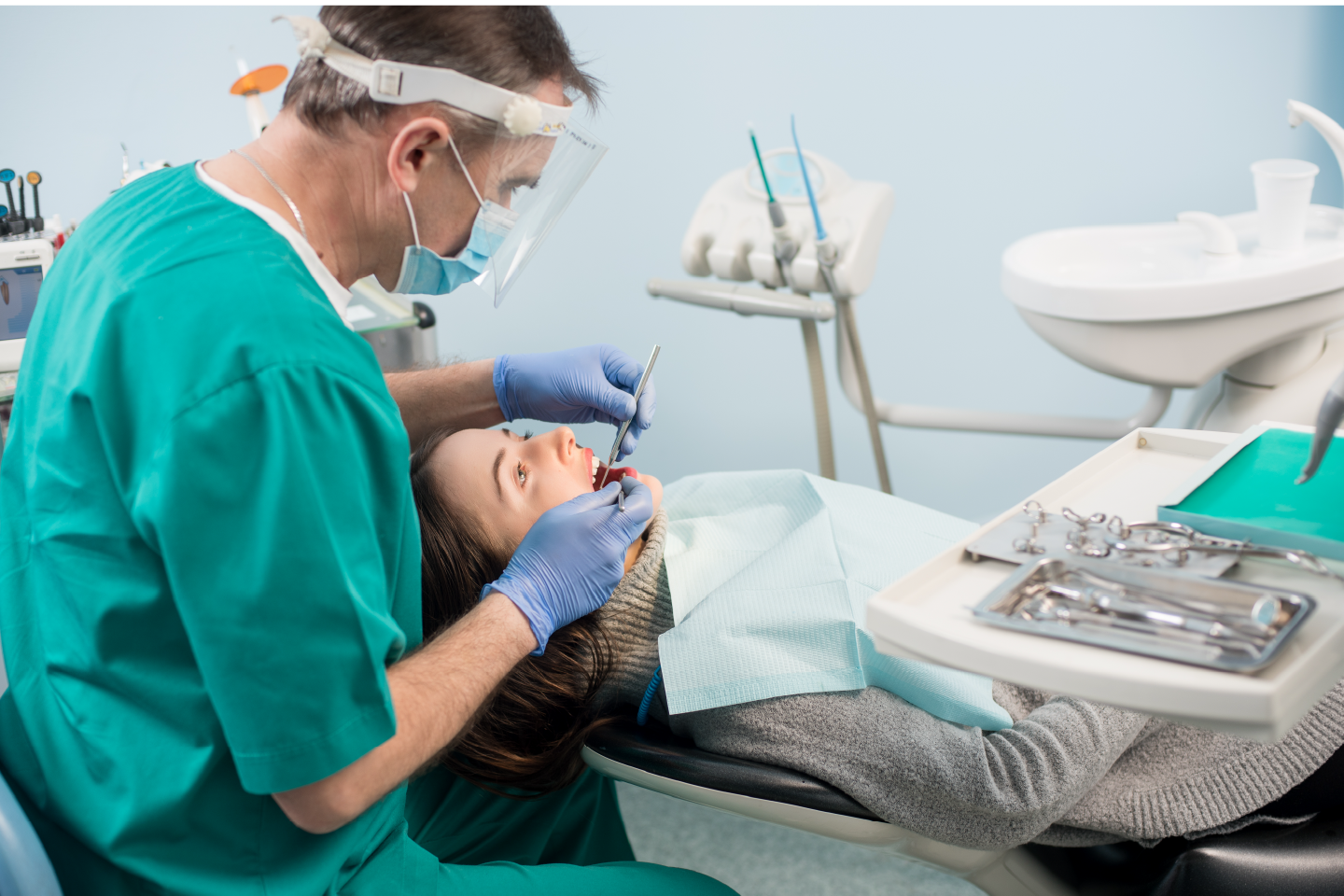
Before starting regenerative treatment, a comprehensive periodontal examination is carried out. This includes:
The exact process depends on the type of regenerative procedure being performed.
Healing after regenerative procedures may take several weeks to months, as new bone and tissue slowly develop. During this time, patients are advised to:
Regenerative therapy offers significant benefits in managing gum disease:
As with any surgical procedure, regenerative treatments carry some considerations:
These risks are generally manageable when patients follow professional advice closely.
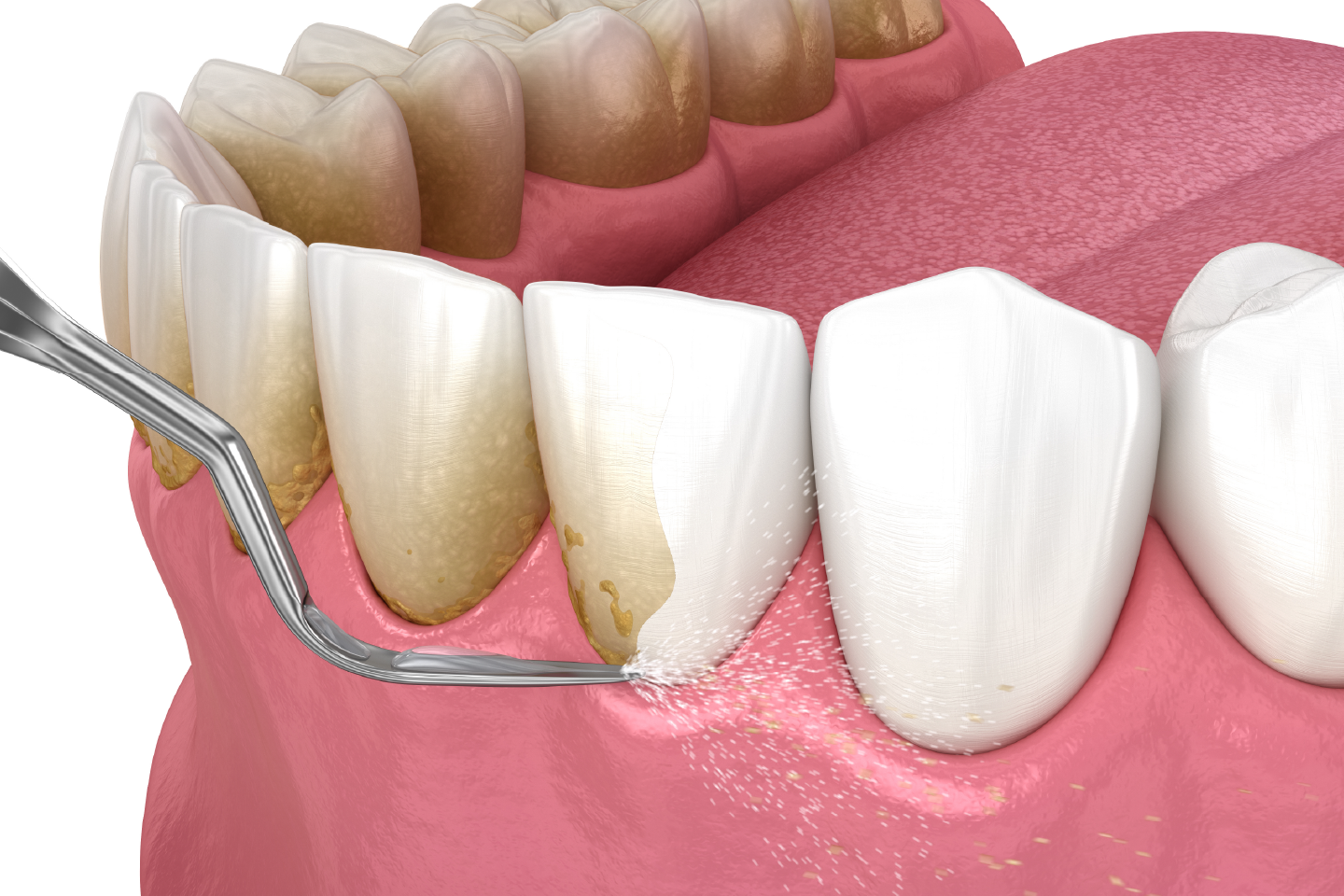
Scaling and root planing are non-surgical methods that remove plaque and tartar from below the gum line. They are often used in earlier stages of gum disease. Regenerative procedures are usually needed when damage has progressed to bone and tissue loss.
Pocket reduction surgery reshapes gum tissue to reduce deep pockets but does not rebuild lost bone. Regeneration goes further by attempting to restore the tissue support that was lost.
When teeth are severely affected by gum disease, extraction may be considered. Regenerative procedures aim to prevent this outcome by preserving natural teeth whenever possible.
For regenerative treatment to succeed, patients must commit to long-term oral care. Recommendations include:
Maintaining excellent oral hygiene ensures that regenerated tissues remain healthy and supportive.
Regenerative procedures are an advanced approach to managing gum disease. By stimulating the growth of new bone and tissue, they restore support to teeth that would otherwise be at risk of loss. When combined with ongoing periodontal care, regenerative therapy can greatly improve the long-term outlook for patients with gum disease.
If you have been diagnosed with gum disease or have experienced bone or gum tissue loss, regenerative procedures may be an option for you. Contact Alpha Dental Group to arrange a periodontal consultation and learn more about the treatments available for restoring your oral health.





.svg)


