

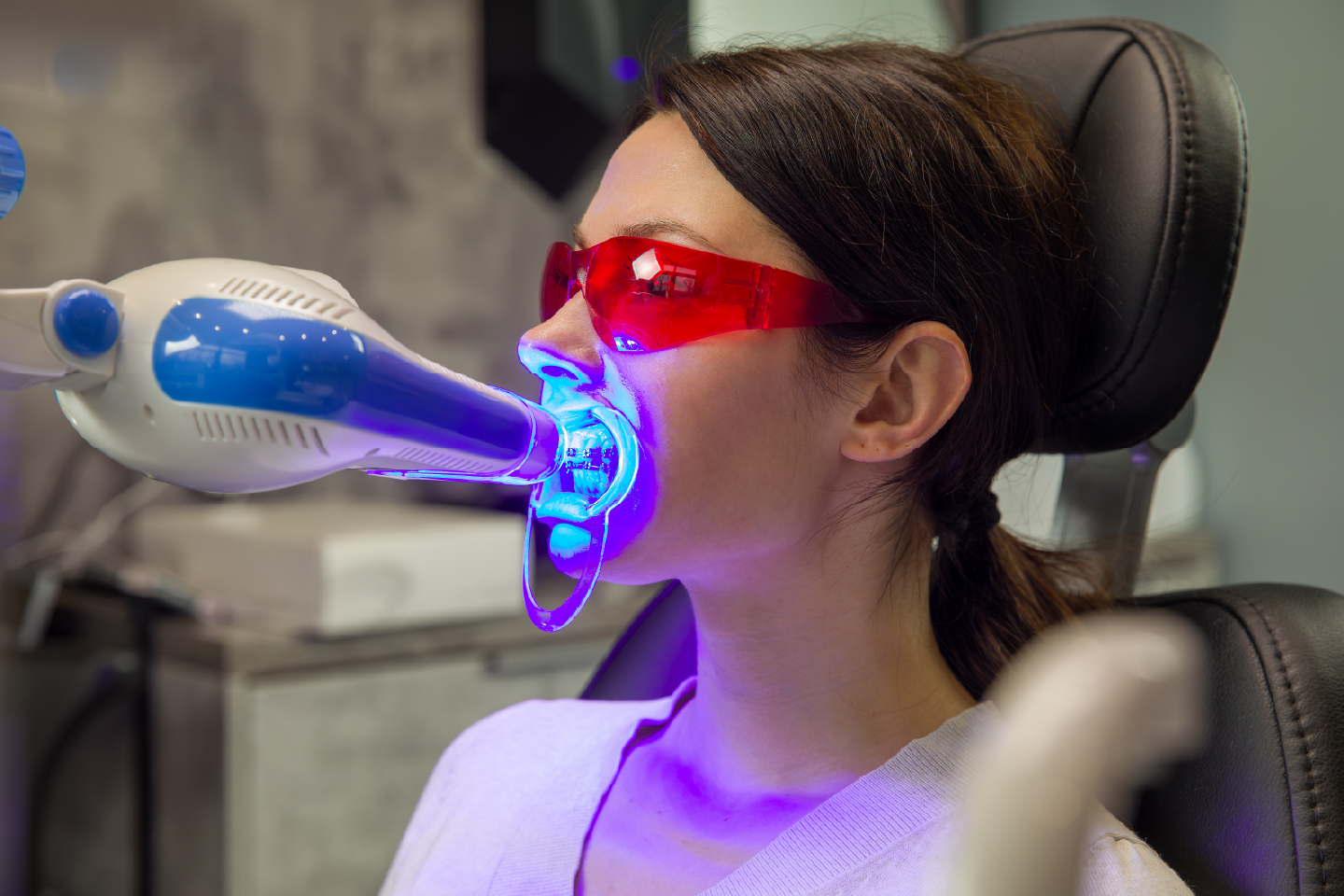
Laser Periodontal Therapy

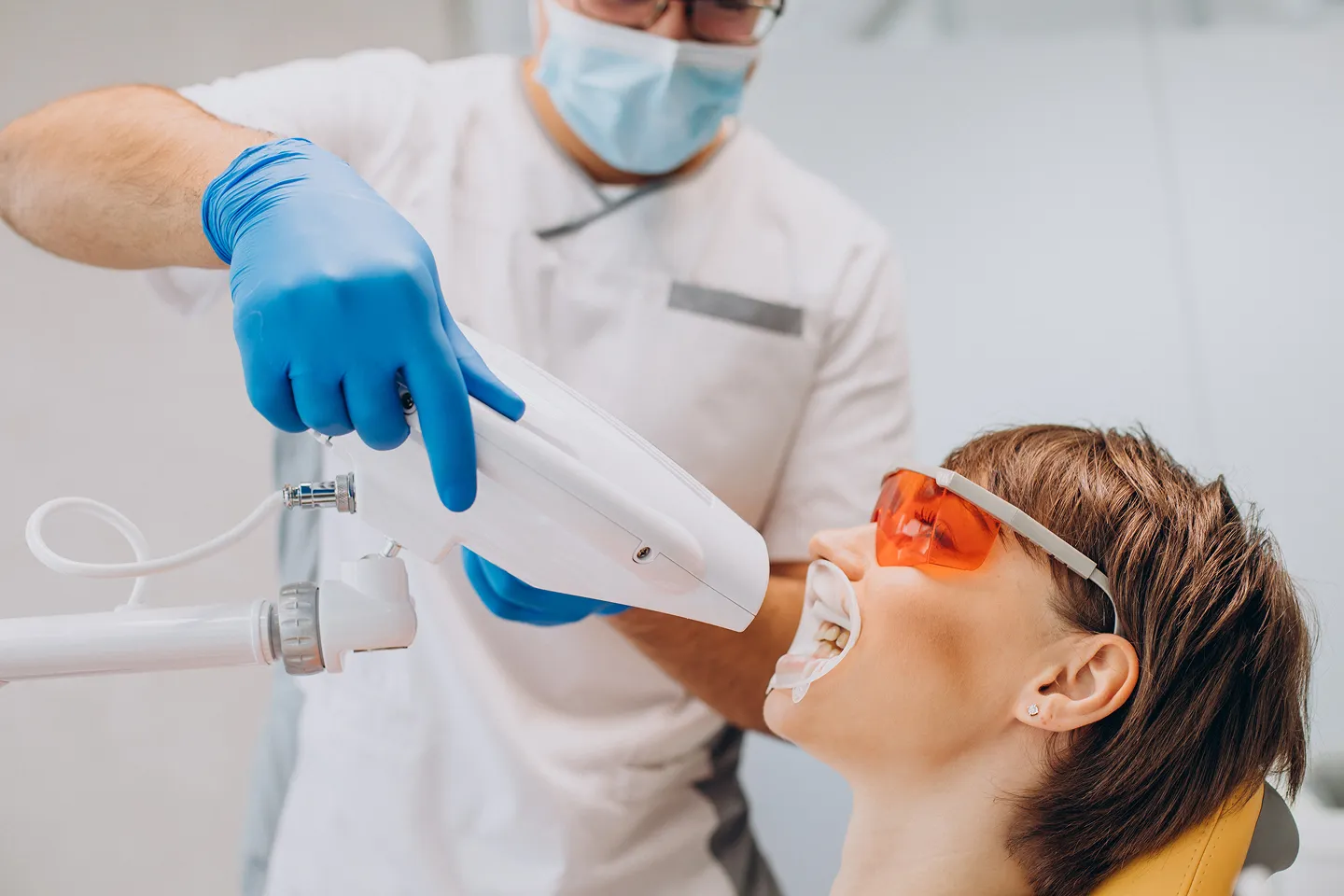
Laser periodontal therapy treats gum disease using laser precision to remove infected tissue and stimulate healing.

Gum disease is one of the most common oral health conditions and can progress silently if not managed in time. Traditional treatments often involve mechanical cleaning or surgery, but advances in dental technology now allow for minimally invasive approaches. Laser periodontal therapy is one such method, using focused light energy to target infected tissue and bacteria, supporting gum health and reducing discomfort during treatment.

Understanding Gum Disease

Gum disease, also known as periodontal disease, occurs when bacteria in plaque irritate and inflame the gums. Over time, this can damage the soft tissue and bone that support the teeth.

Stages of Gum Disease

  • Gingivitis: Early stage with redness, swelling, and bleeding gums. Reversible with timely care.
  • Periodontitis: Advanced stage where infection spreads deeper, causing gum pockets, bone loss, and potential tooth mobility.

Laser periodontal therapy is generally used for moderate to advanced cases where traditional cleaning may not be sufficient.

What Is Laser Periodontal Therapy?

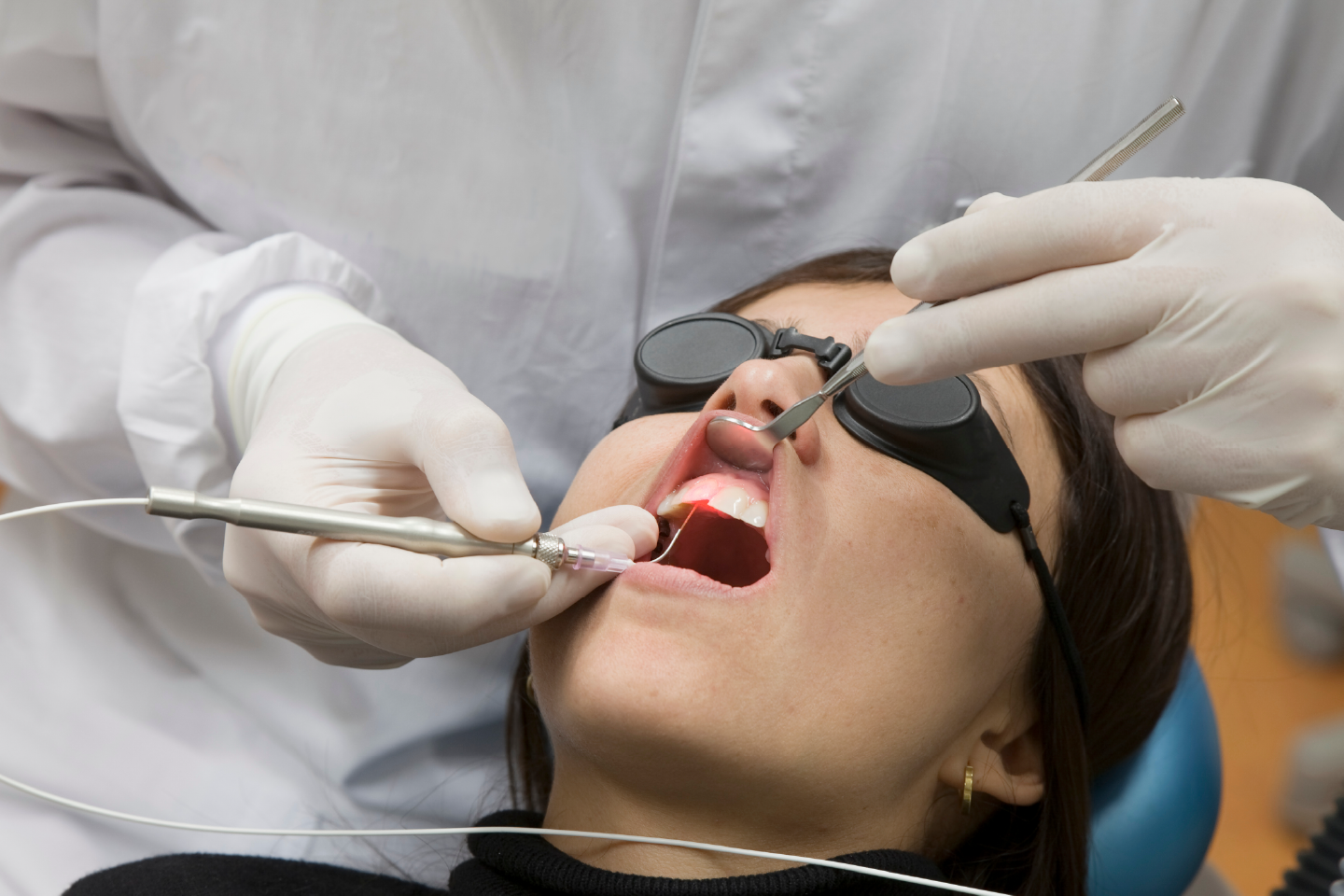
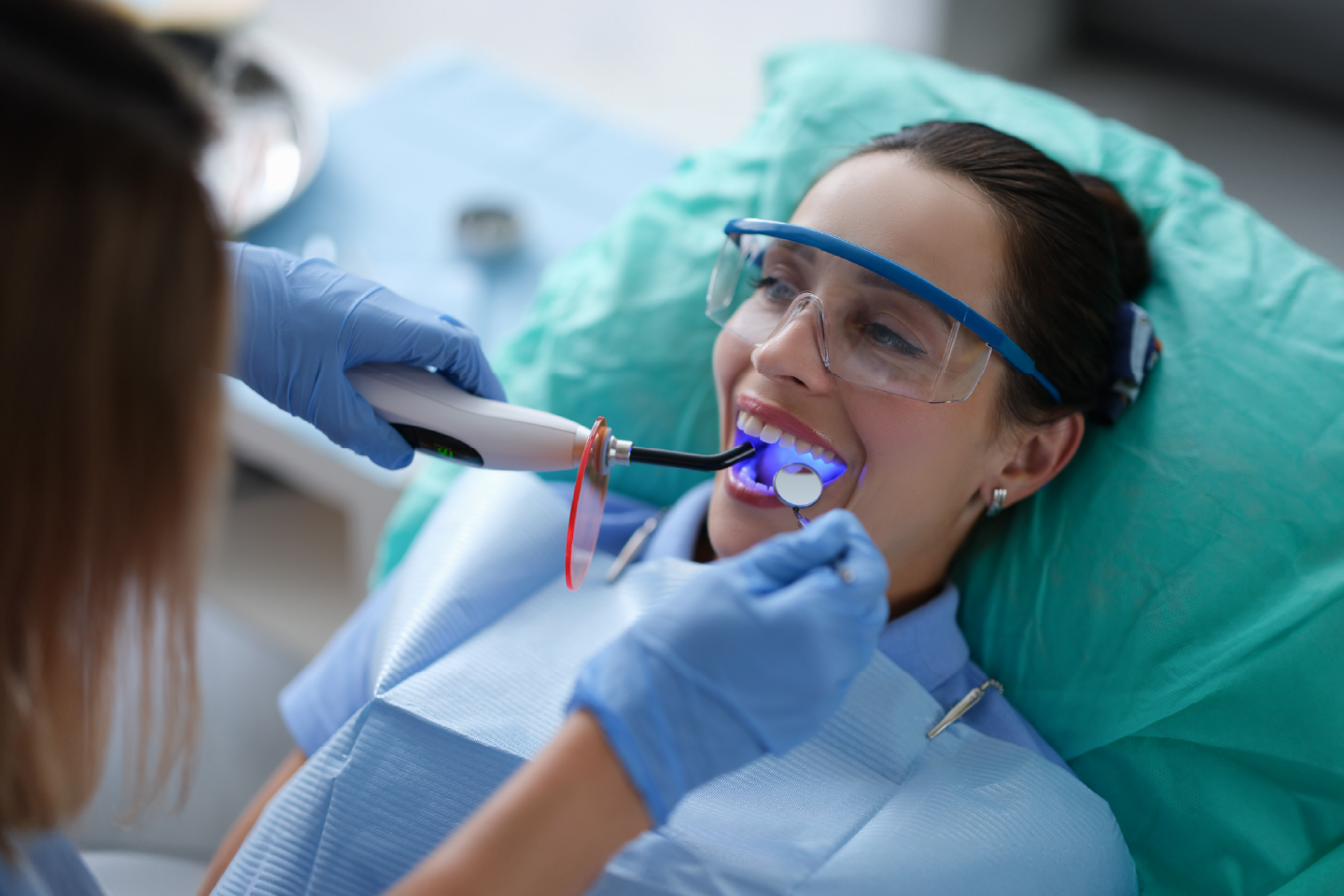
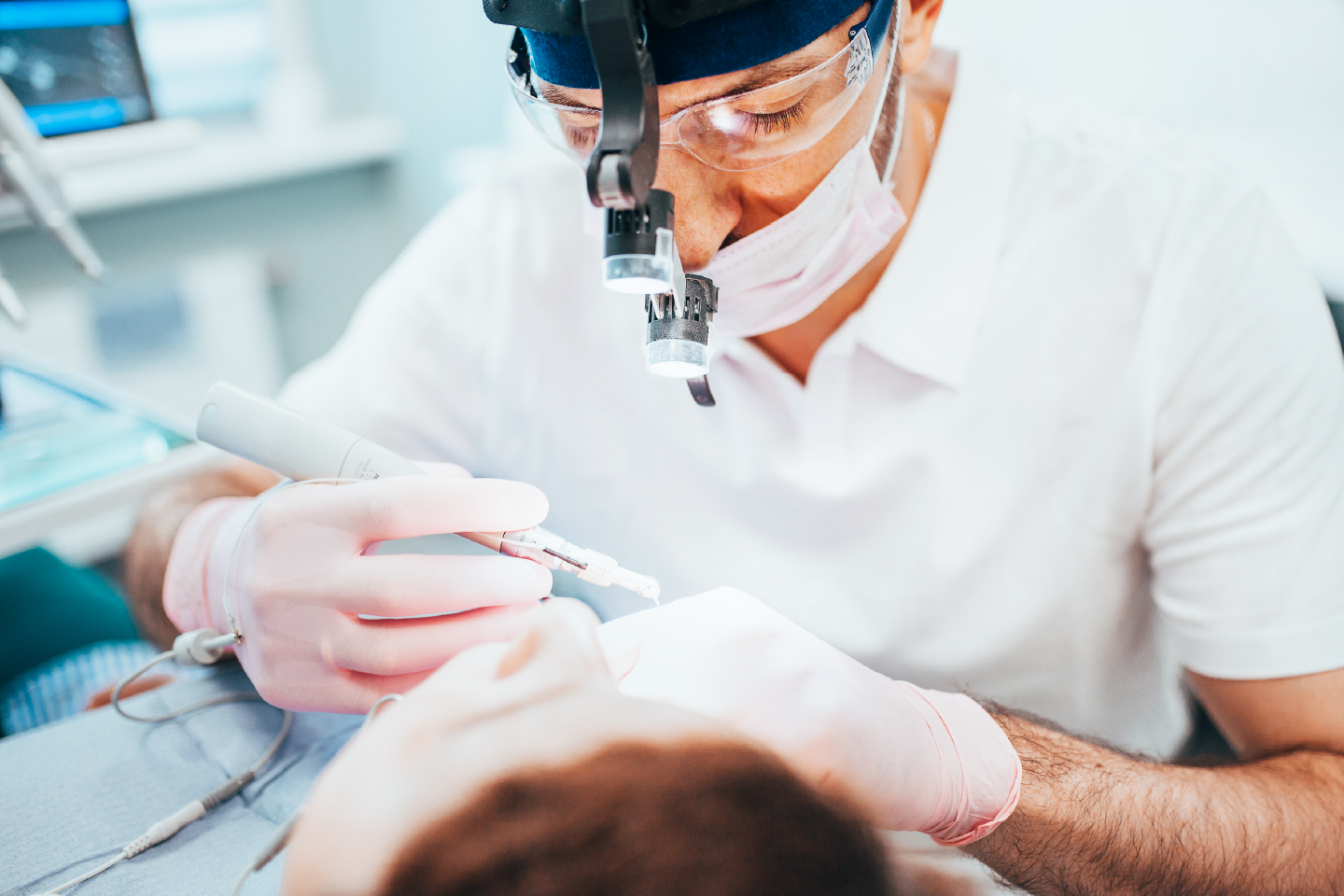
Laser periodontal therapy is a modern treatment that uses dental lasers to remove infected gum tissue and bacteria from periodontal pockets. Unlike conventional surgery, it does not usually require cutting or stitching, making it less invasive for patients.

How It Works
  • The laser precisely targets diseased tissue while leaving healthy tissue unaffected.
  • It sterilises the pocket area by killing harmful bacteria.
  • The laser energy promotes clotting and stimulates tissue healing.
  • In many cases, it helps gums reattach to the tooth surface, reducing pocket depth.

Advantages of Laser Therapy in Periodontal Care

Laser periodontal therapy offers several potential benefits, particularly for patients seeking a less invasive alternative to traditional surgical treatments.

Key Benefits
  • Minimally invasive: Often requires no scalpel or sutures.
  • Reduced discomfort: Many patients report less pain during and after treatment.
  • Faster healing: Laser energy supports tissue regeneration and recovery.
  • Lower infection risk: The laser sterilises the treated area as it works.
  • Improved precision: Diseased tissue is removed without affecting healthy gums.

The Procedure: What to Expect


Knowing what happens during laser periodontal therapy can help patients prepare for the procedure.

Step 1: Assessment

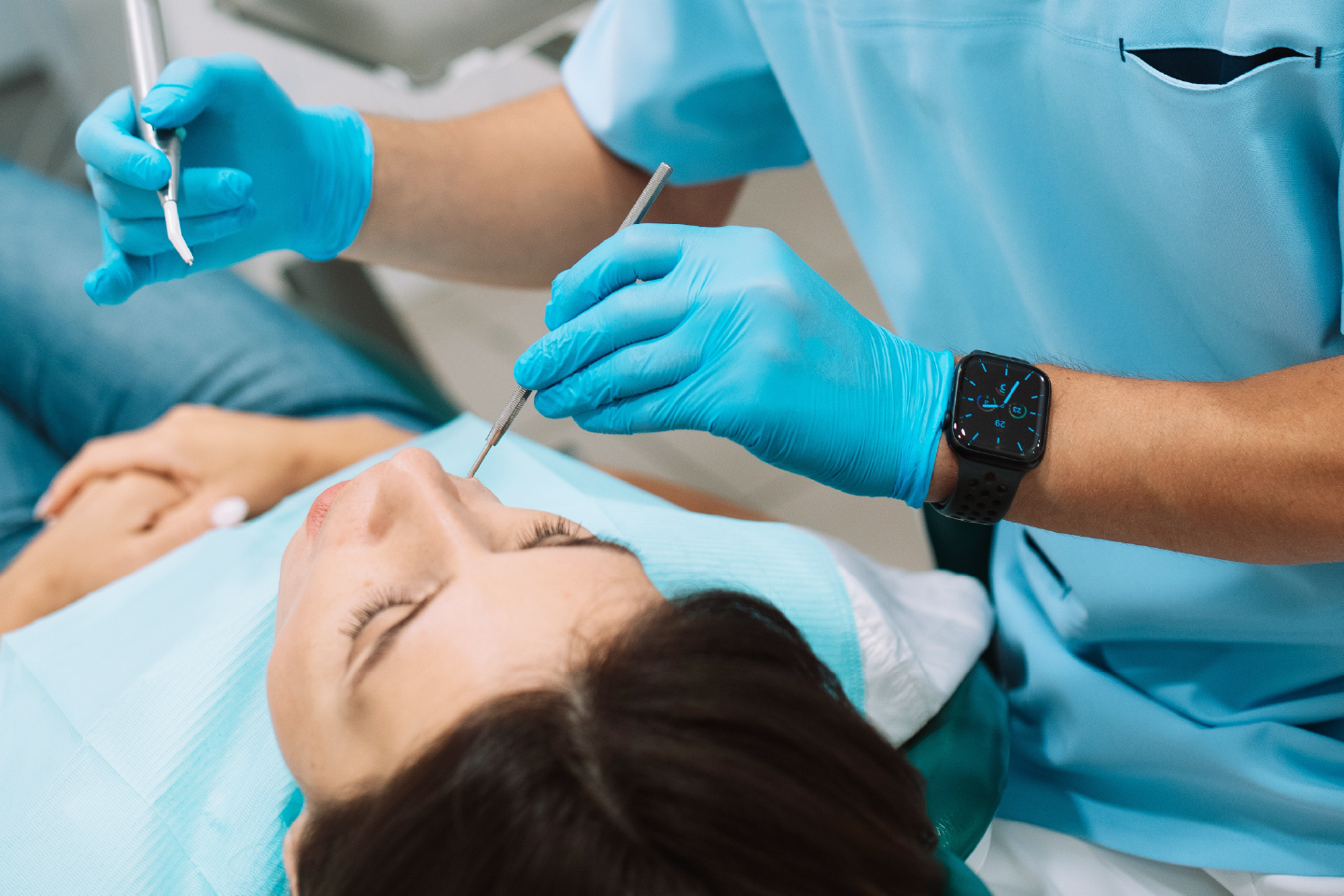
The dentist assesses gum health, measures periodontal pocket depths, and may take X-rays to evaluate bone support.

Step 2: Anaesthesia

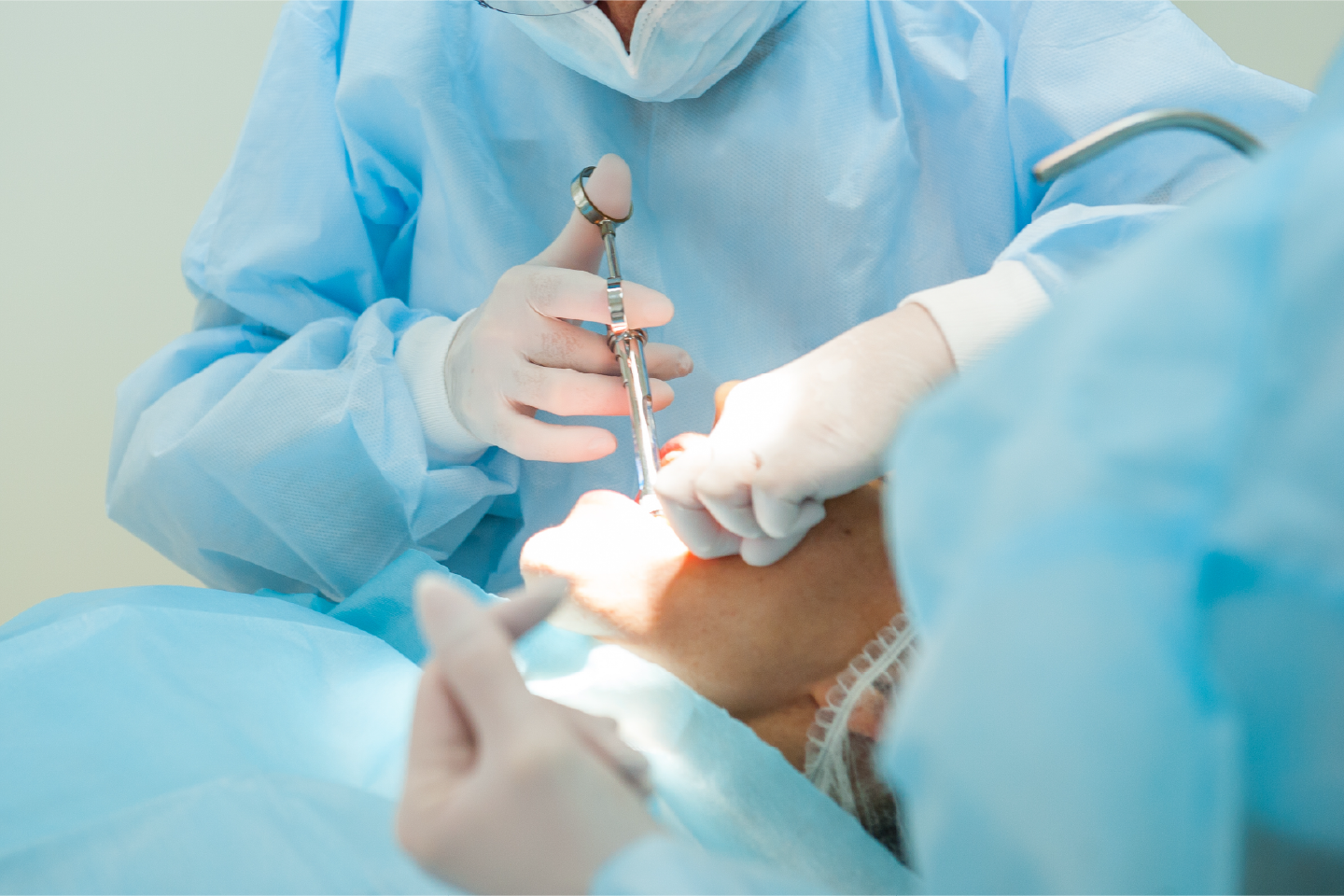
Local anaesthesia is applied to ensure comfort.

Step 3: Laser Application

The laser fibre is inserted into the periodontal pocket. It selectively removes inflamed tissue and bacteria while preserving healthy structures.

Step 4: Root Surface Cleaning

After infected tissue is removed, the tooth roots are smoothed using ultrasonic or hand instruments. This discourages bacteria from reattaching.

Step 5: Healing and Reattachment

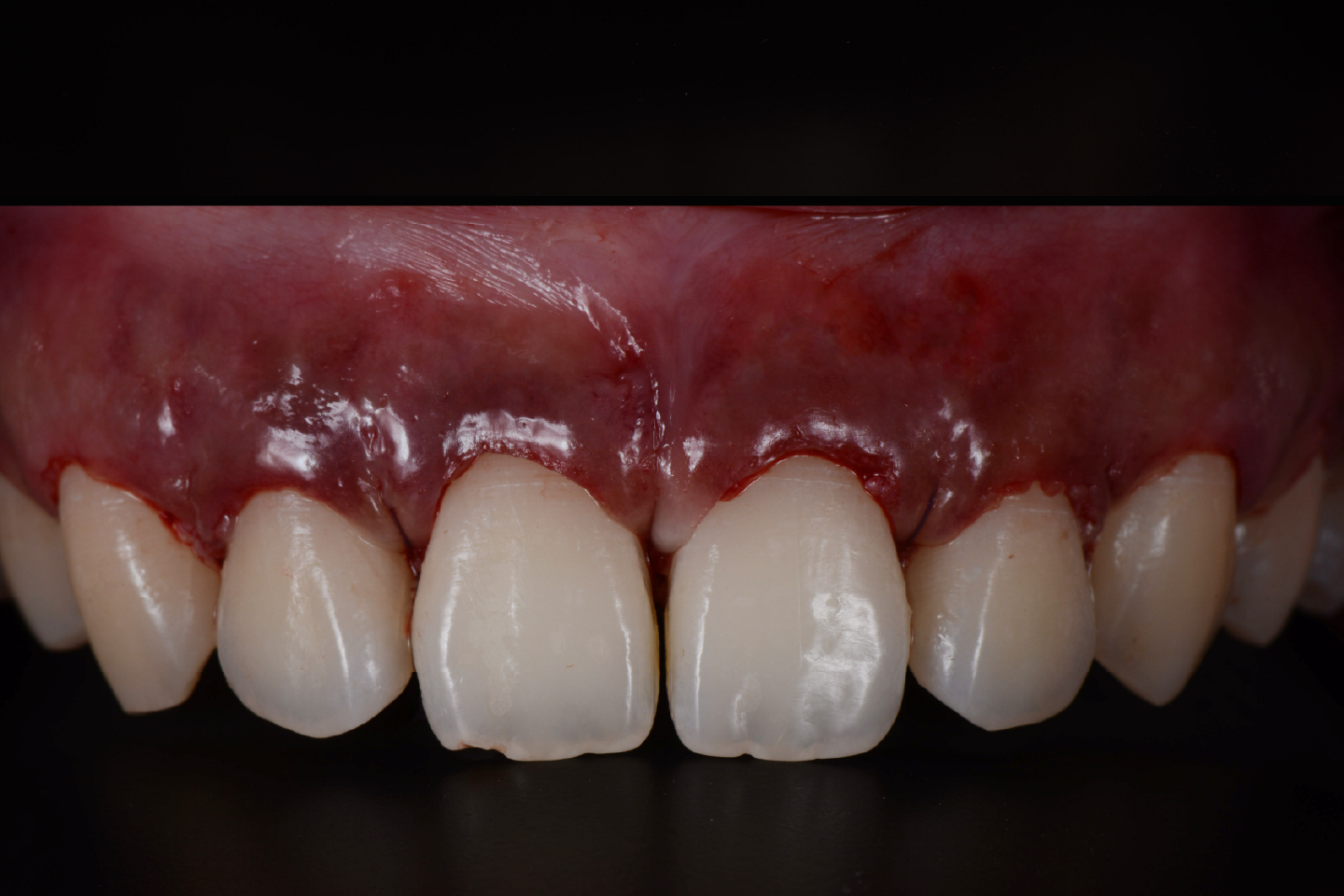
The laser helps the treated area to clot naturally, sealing the pocket. Over time, the gums can reattach more closely to the tooth, reducing pocket depth.

Aftercare and Recovery

Recovery after laser periodontal therapy is usually quicker and more comfortable compared to traditional surgery.

Short-Term Care
  • Mild soreness or swelling may occur but often resolves quickly.
  • A soft diet is usually recommended for a few days.
  • Antimicrobial rinses may be prescribed to keep the area clean.
Long-Term Care
  • Resume gentle brushing and flossing once advised.
  • Maintain excellent oral hygiene to prevent recurrence.
  • Regular periodontal maintenance visits will help monitor healing and gum stability.

Risks and Considerations

While laser periodontal therapy is considered safe, it may not be suitable for every case.

Possible Limitations

  • Effectiveness depends on the severity of gum disease.
  • Some patients may still require traditional surgical intervention.
  • Sensitivity or mild gum tenderness may occur temporarily.

A dental professional will assess individual suitability before recommending laser treatment.

Who May Benefit from Laser Periodontal Therapy?

Laser therapy may be suggested if you:

  • Have moderate to severe gum disease with deep periodontal pockets.
  • Are looking for a less invasive treatment alternative.
  • Have health conditions that make traditional surgery more challenging.
  • Require ongoing periodontal care to stabilise gum health.

Comparison with Traditional Treatments

Conventional Periodontal Surgery

  • Involves cutting and suturing of gum tissue.
  • Longer recovery time and possible discomfort.
  • Effective for severe cases requiring access to deeper tissues and bone.

Laser Periodontal Therapy

  • Minimally invasive, often without stitches.
  • Shorter healing period and reduced discomfort.
  • Suitable for many, but not all, gum disease cases.

Supporting Gum Health After Treatment


Laser therapy addresses existing disease, but long-term success depends on consistent oral care.

Preventive Measures

  • Brush twice daily with a soft-bristled toothbrush.
  • Clean between teeth daily using floss or interdental brushes.
  • Schedule professional cleanings and periodontal maintenance as advised.
  • Manage lifestyle factors such as smoking, which increases the risk of gum disease progression.

Book a Consultation with Alpha Dental Group

Laser periodontal therapy is a modern approach to managing gum disease that combines precision, reduced discomfort, and faster recovery. By targeting infected tissue and promoting healing, it offers patients a valuable option in the wider management of periodontal conditions.

If you have been diagnosed with gum disease or are concerned about symptoms such as bleeding gums or persistent bad breath, contact Alpha Dental Group to arrange a consultation. Our team can assess your gum health and discuss whether laser periodontal therapy is suitable for your needs.

Menu

WhatsApp