


.svg)











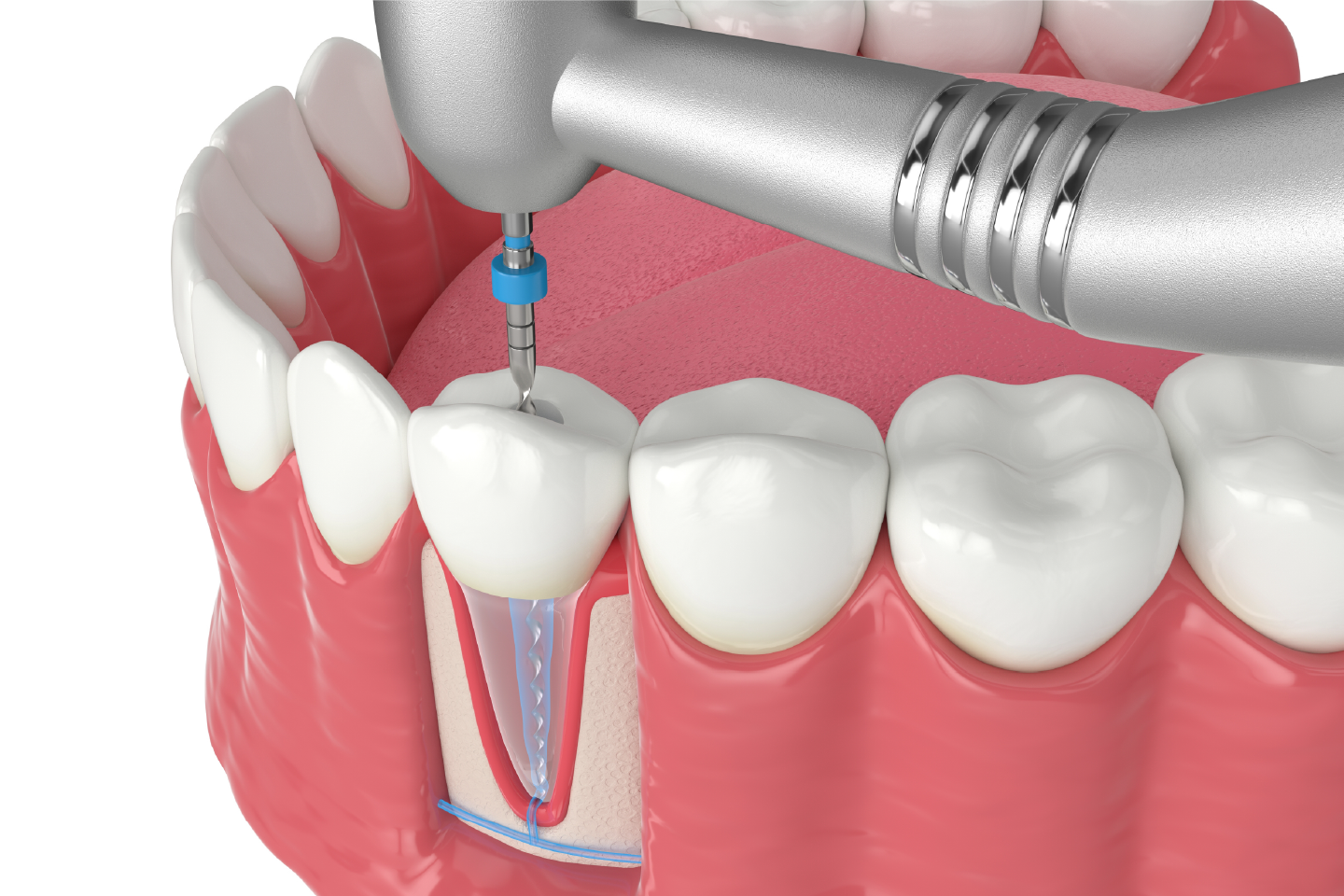
Root canal treatment, also known as endodontic therapy, is a procedure designed to save a tooth that has been severely damaged by decay, infection, or trauma. Rather than removing the tooth entirely, root canal therapy focuses on cleaning and sealing the inside of the tooth so that it can remain functional. This treatment is often recommended when the inner tissues of the tooth, known as the pulp, become inflamed or infected.
The tooth is made up of three main parts:
When the pulp is damaged due to deep decay, cracks, trauma, or repeated dental procedures, bacteria may enter and cause infection. Left untreated, this infection can spread to surrounding tissues and may lead to pain, swelling, and eventual tooth loss.
Common reasons a dentist may recommend root canal treatment include:
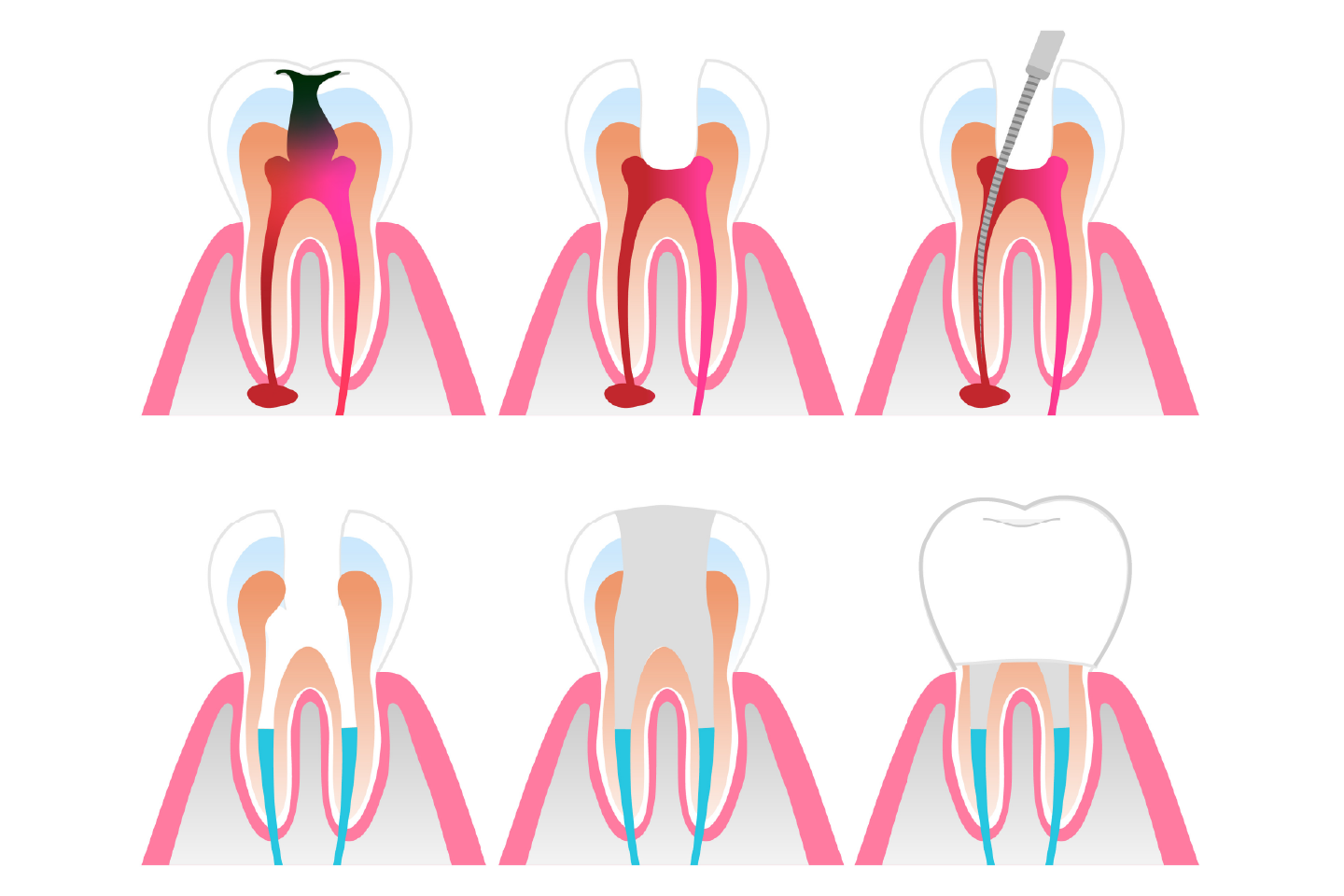
Root canal therapy typically takes one or two appointments, depending on the complexity of the case. The procedure can be summarised in the following steps:
The dentist begins with an examination and may take dental X-rays to evaluate the extent of damage within the tooth and surrounding tissues. This step helps confirm whether root canal treatment is the most suitable approach.
To ensure comfort, the dentist administers local anaesthesia to numb the affected tooth and the surrounding area.
A small opening is made on the chewing surface of the tooth to gain access to the pulp chamber and root canals.
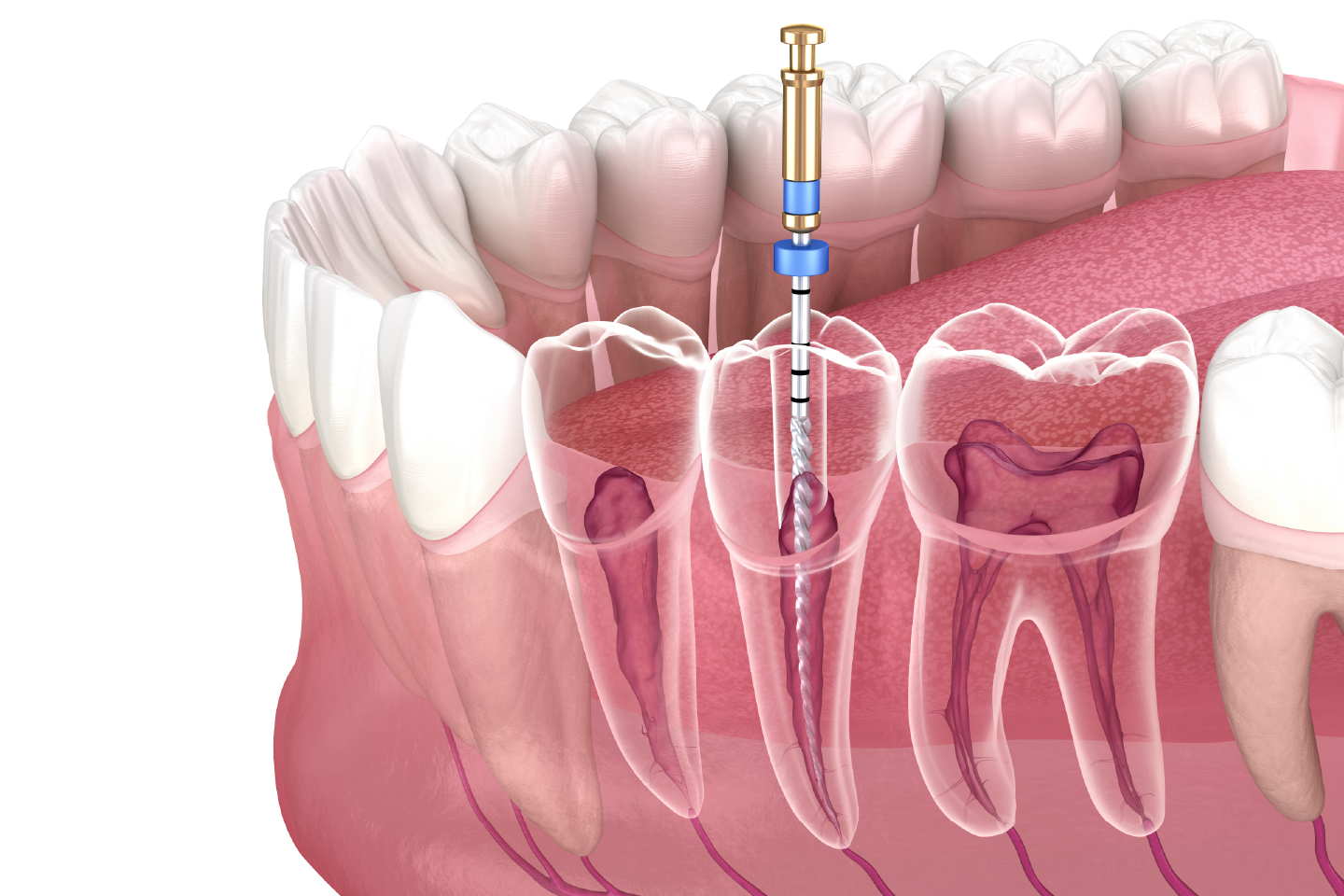
The dentist carefully removes the diseased or dead pulp tissue. Specialised instruments are used to clean and shape the canals, ensuring that all infection is cleared.
The canals are thoroughly disinfected to eliminate bacteria and reduce the risk of reinfection.
Once cleaned and disinfected, the empty root canals are filled with a biocompatible material, typically gutta-percha. This helps to seal the canals and prevent bacteria from re-entering.
To protect the treated tooth and restore function, a temporary or permanent filling is placed. In many cases, a dental crown may be recommended after root canal treatment to strengthen the tooth, especially if it was significantly weakened by decay or damage.
It is normal to experience some mild tenderness or discomfort in the days following treatment as the surrounding tissues heal. This can usually be managed with over-the-counter pain relief medications.
Patients may be advised to:
Most teeth that undergo root canal therapy can continue to function effectively for many years when properly restored and maintained.
While each case is unique, root canal treatment offers several potential benefits:
In situations where root canal treatment is not suitable or the damage is too severe, alternatives may include:
Your dentist will discuss all available options to help you make an informed decision.
Long-term success of root canal therapy depends not only on the procedure itself but also on ongoing care. Recommendations include:
Root canal treatment is a well-established procedure that aims to preserve teeth that would otherwise require extraction. Removing infection and restoring the tooth from within it allows patients to maintain their natural teeth and continue with normal daily function.
At Alpha Dental, our team is committed to providing thorough evaluations and clear guidance so patients can make informed decisions about their treatment options. If you are experiencing symptoms such as persistent tooth pain or swelling, scheduling an assessment is an important step toward protecting your oral health.









.svg)


