


.svg)









Endodontic treatment, commonly referred to as root canal therapy, is often effective in saving teeth affected by infection or damage. However, in some cases, conventional treatment may not resolve the problem fully. For these situations, endodontic microsurgery can provide an alternative approach. At Alpha Dental, we use modern techniques and advanced instruments to perform this procedure with the goal of preserving natural teeth whenever possible.
This page provides an overview of what endodontic microsurgery is, when it might be considered, and what patients can expect from the process.
Endodontic microsurgery, sometimes referred to as apical surgery or apicoectomy, is a dental procedure performed when standard root canal treatment or retreatment is not sufficient to address ongoing problems at the root of a tooth.
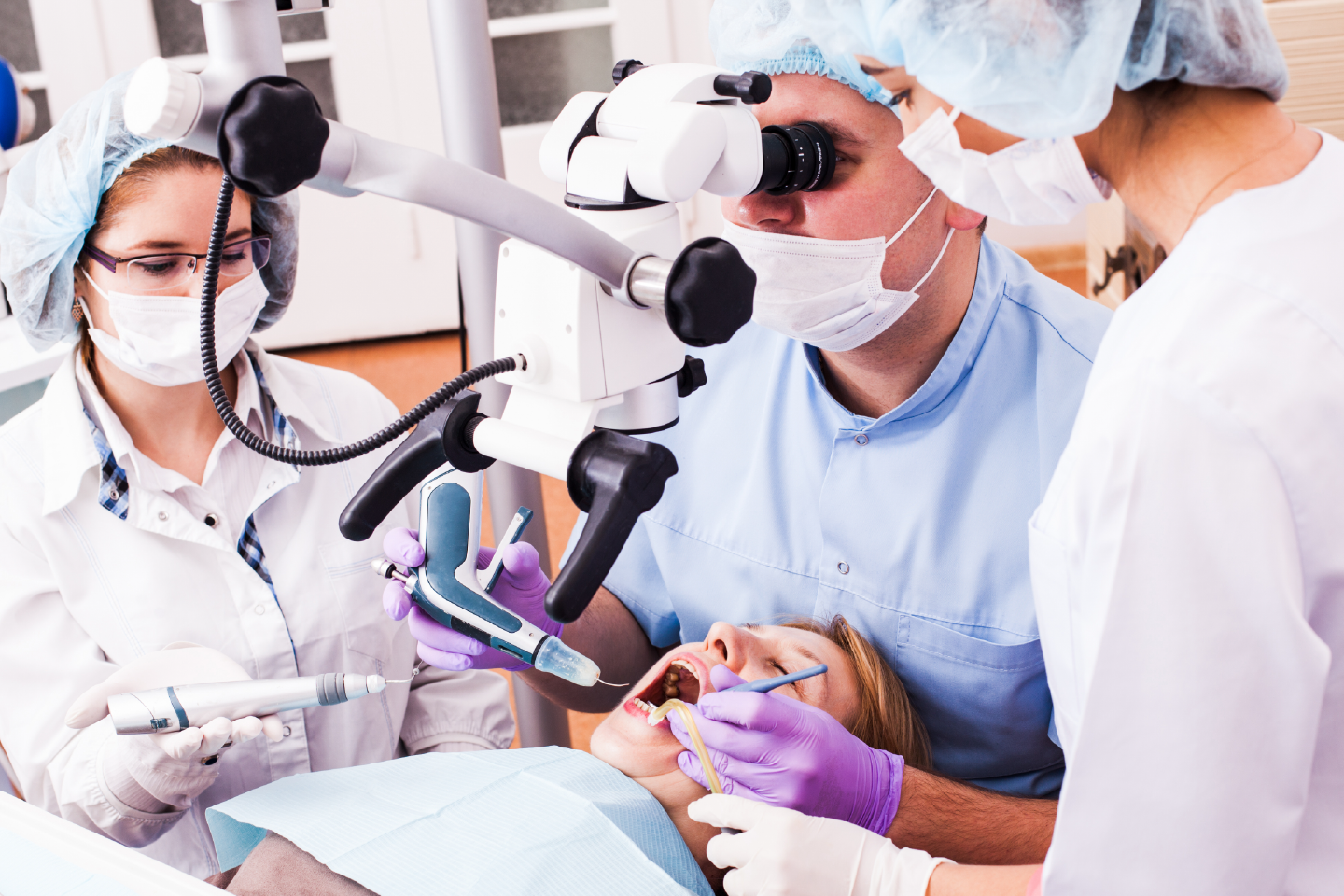
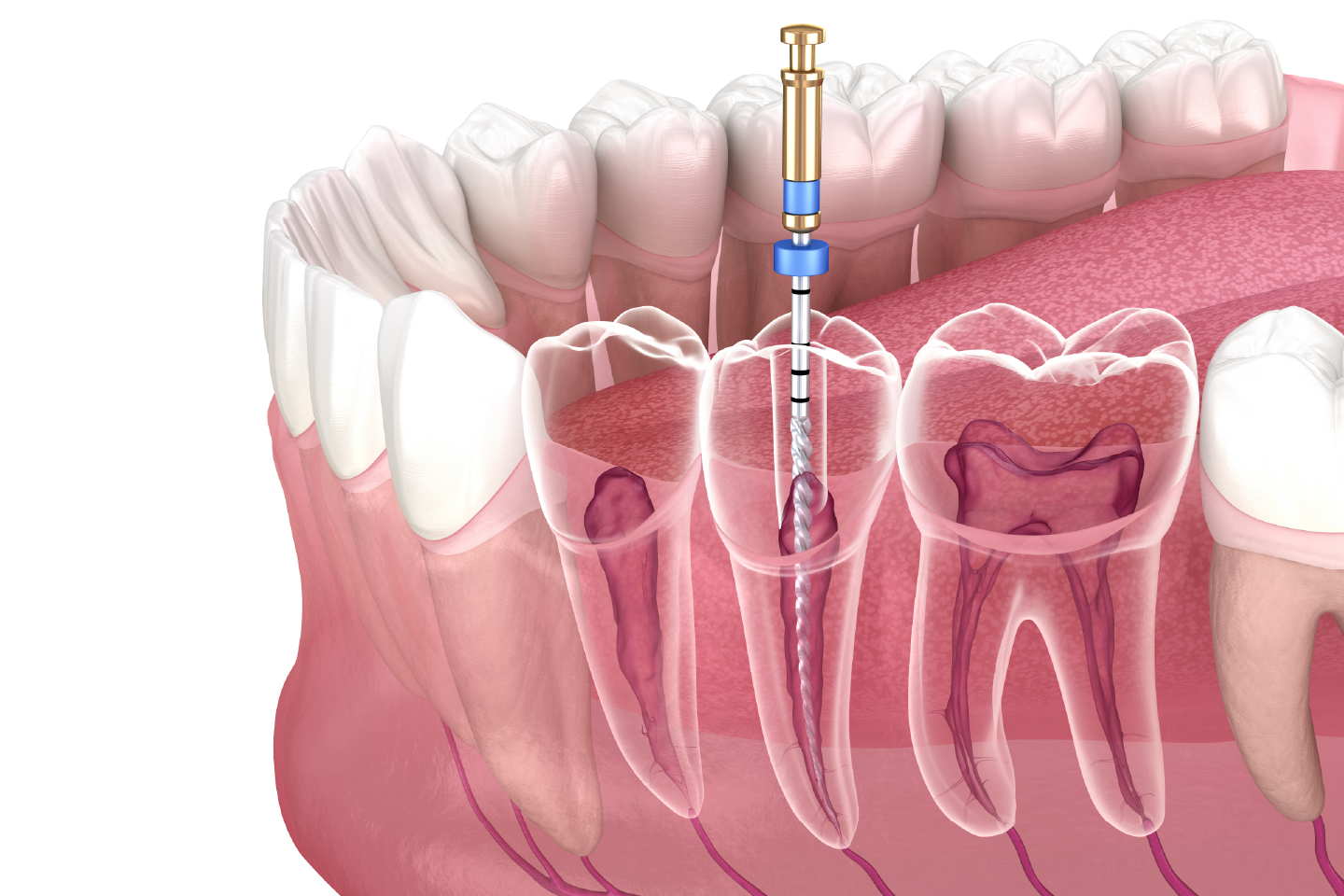
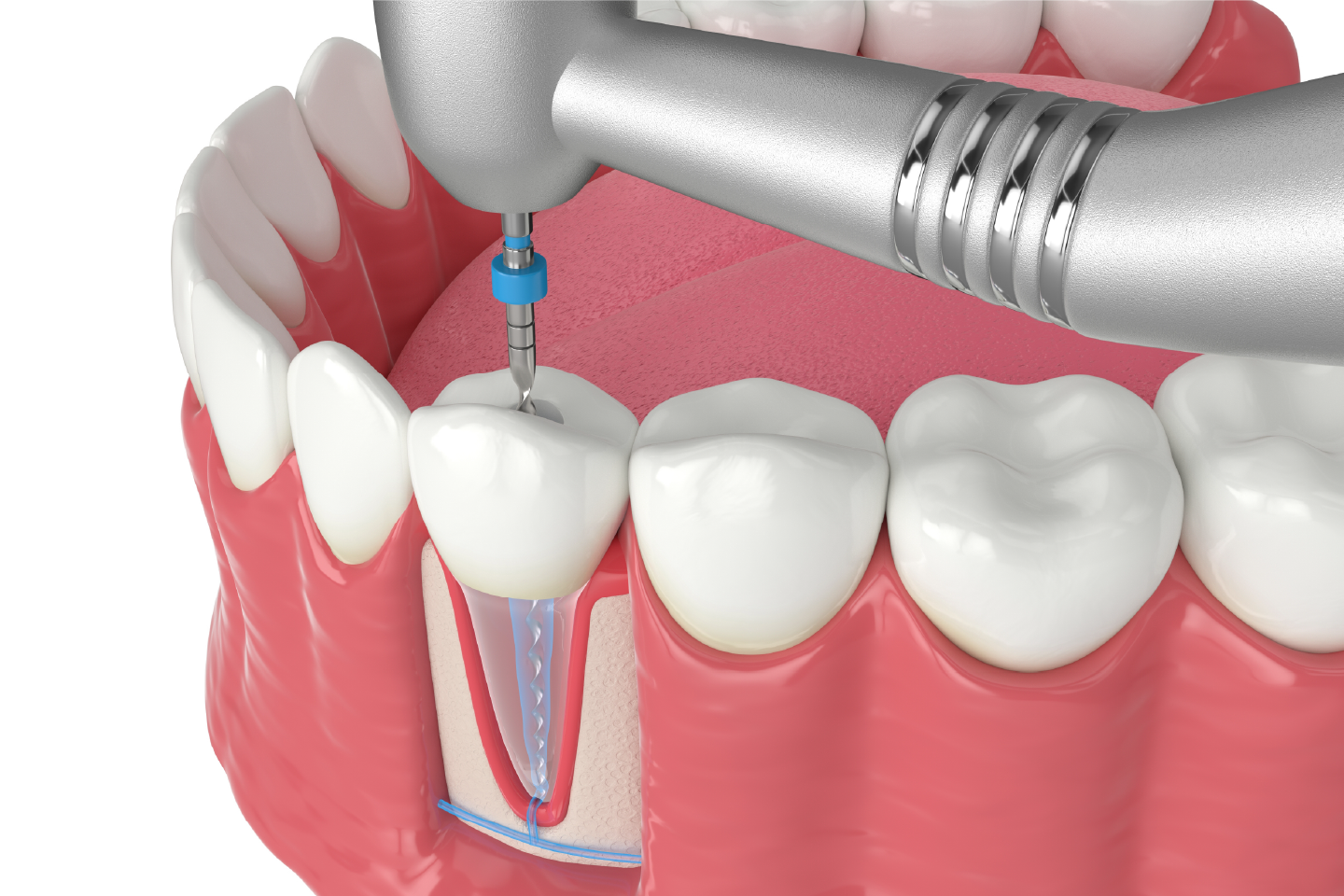
The term “microsurgery” highlights the use of an operating microscope and specialised instruments that allow the dentist to work with precision on very small structures inside and around the tooth root. This technique makes it possible to address areas that may be inaccessible through conventional root canal procedures.
There are several situations where a dentist may recommend endodontic microsurgery, such as:
The decision to proceed with microsurgery is made after a careful clinical assessment and diagnostic imaging.
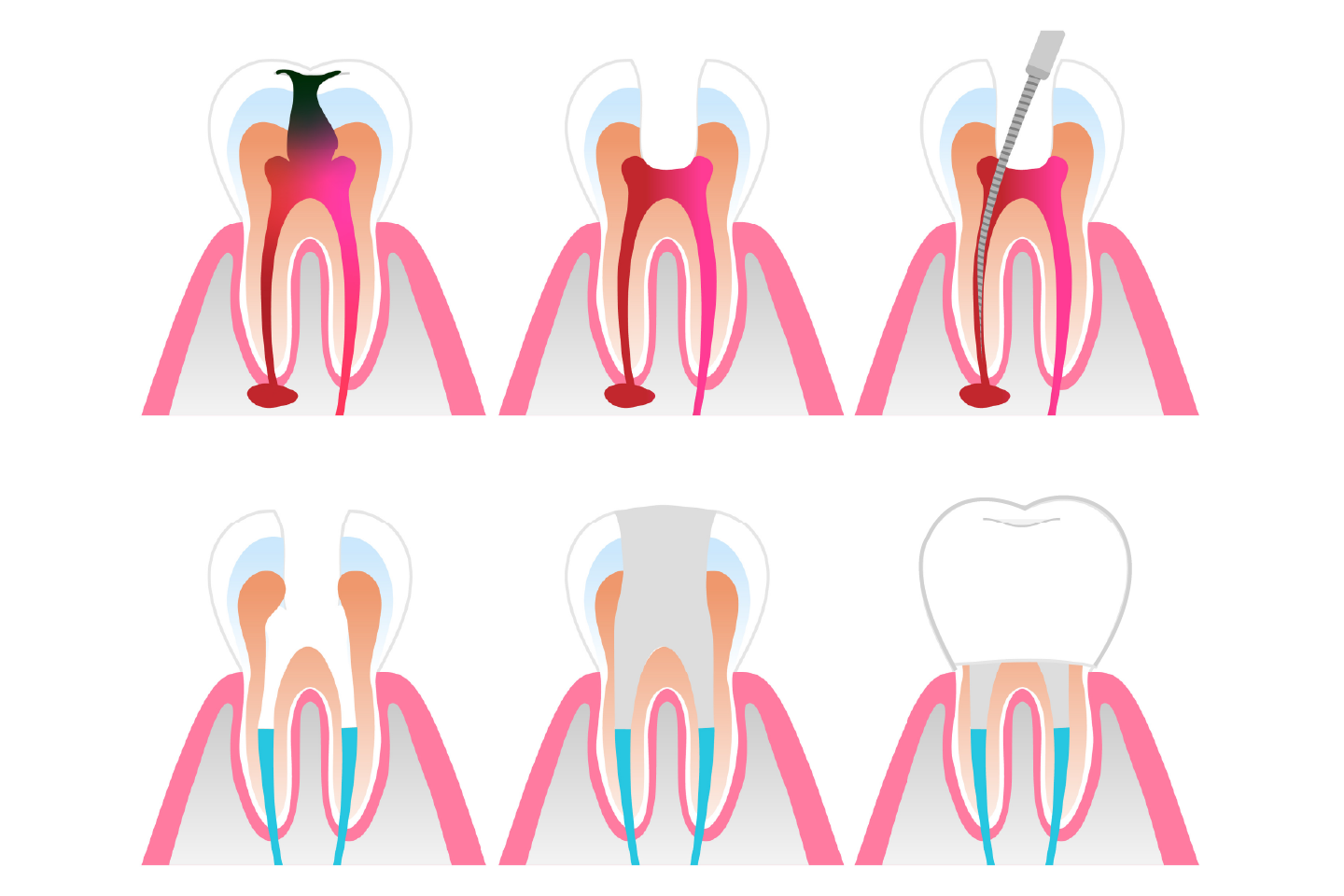
Endodontic microsurgery is a precise procedure that involves several stages. While the exact steps may vary depending on the case, the general process is as follows:
Before recommending surgery, the dentist carries out a comprehensive examination, which includes:
Local anaesthesia is administered to ensure the area is numb and the patient is comfortable throughout the procedure.
A small incision is made in the gum near the affected tooth to expose the underlying bone and root tip.
Using magnification and microsurgical instruments, the dentist removes infected tissue and a few millimetres of the root tip.
After cleaning and sealing the root end, a small biocompatible filling is placed to prevent bacteria from re-entering the root canal system.
The gum tissue is repositioned and sutured to allow for healing. Follow-up appointments are scheduled to monitor progress.
While every case is unique, some potential benefits of microsurgery compared to conventional retreatment include:
Following endodontic microsurgery, patients can usually expect some mild swelling or discomfort, which generally subsides within a few days. The dentist may provide guidance on:
Most patients can resume normal activities within a short period of time, but recovery varies depending on individual factors.
Like all surgical procedures, endodontic microsurgery carries certain risks. These may include:
Your dentist will discuss these considerations and evaluate whether microsurgery is an appropriate option for your specific situation.
In some cases, alternatives may be considered instead of microsurgery. These include:
The best course of action depends on the condition of the tooth, the extent of infection or damage, and the patient’s overall oral health.
Not every case of persistent dental pain or infection requires microsurgery. A detailed consultation with a dentist or endodontist is necessary to determine whether this procedure is the most appropriate solution.
During the consultation, the dental team will:
Endodontic microsurgery is a specialised procedure that can help preserve natural teeth when conventional root canal treatment is not sufficient. By combining precision techniques with advanced equipment, this treatment may address complex dental problems that are otherwise difficult to resolve.
At Alpha Dental, we are committed to providing patients with evidence-based care tailored to their needs. If you are experiencing ongoing symptoms after root canal treatment, a consultation can help determine whether endodontic microsurgery is an appropriate option for you.







.svg)


