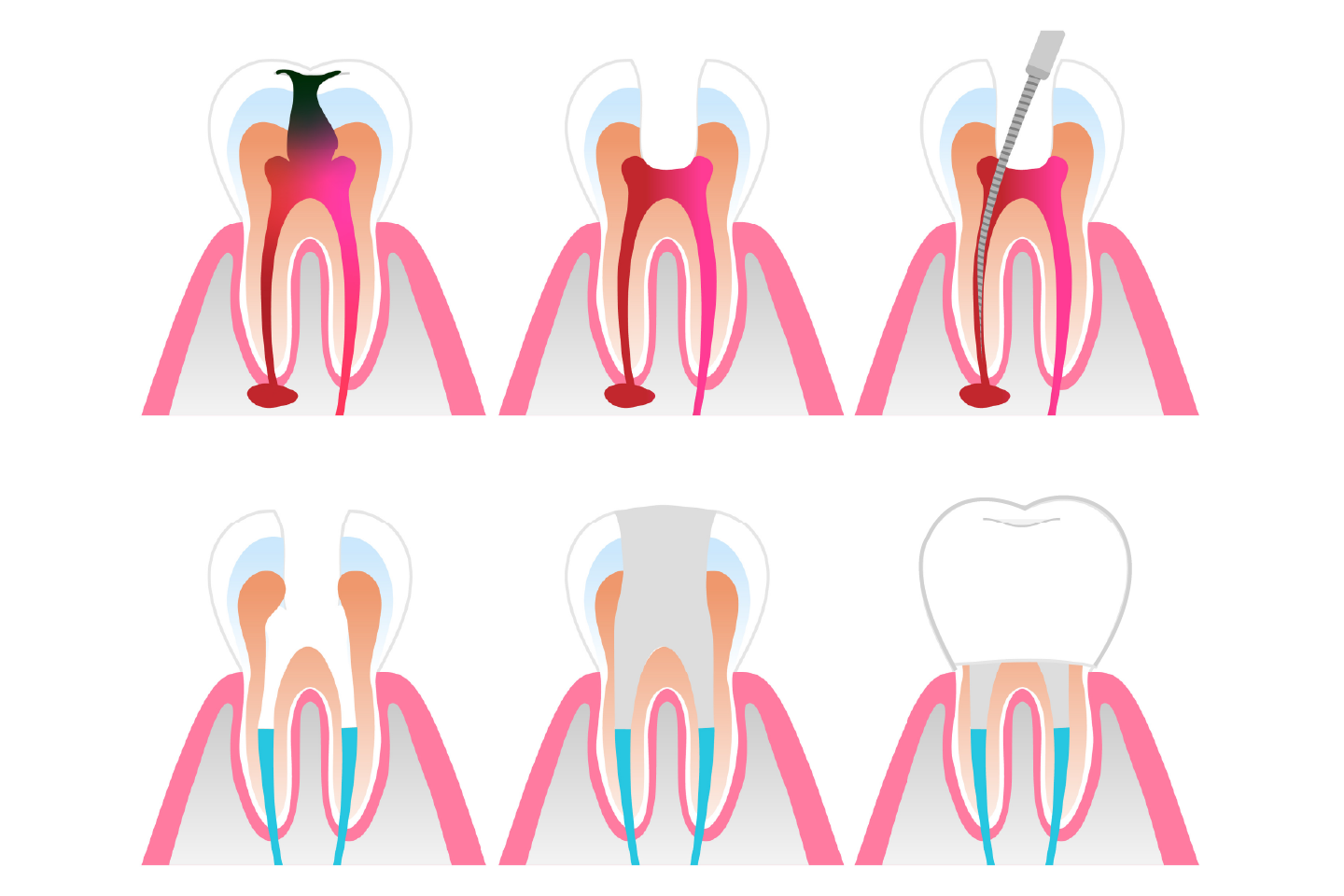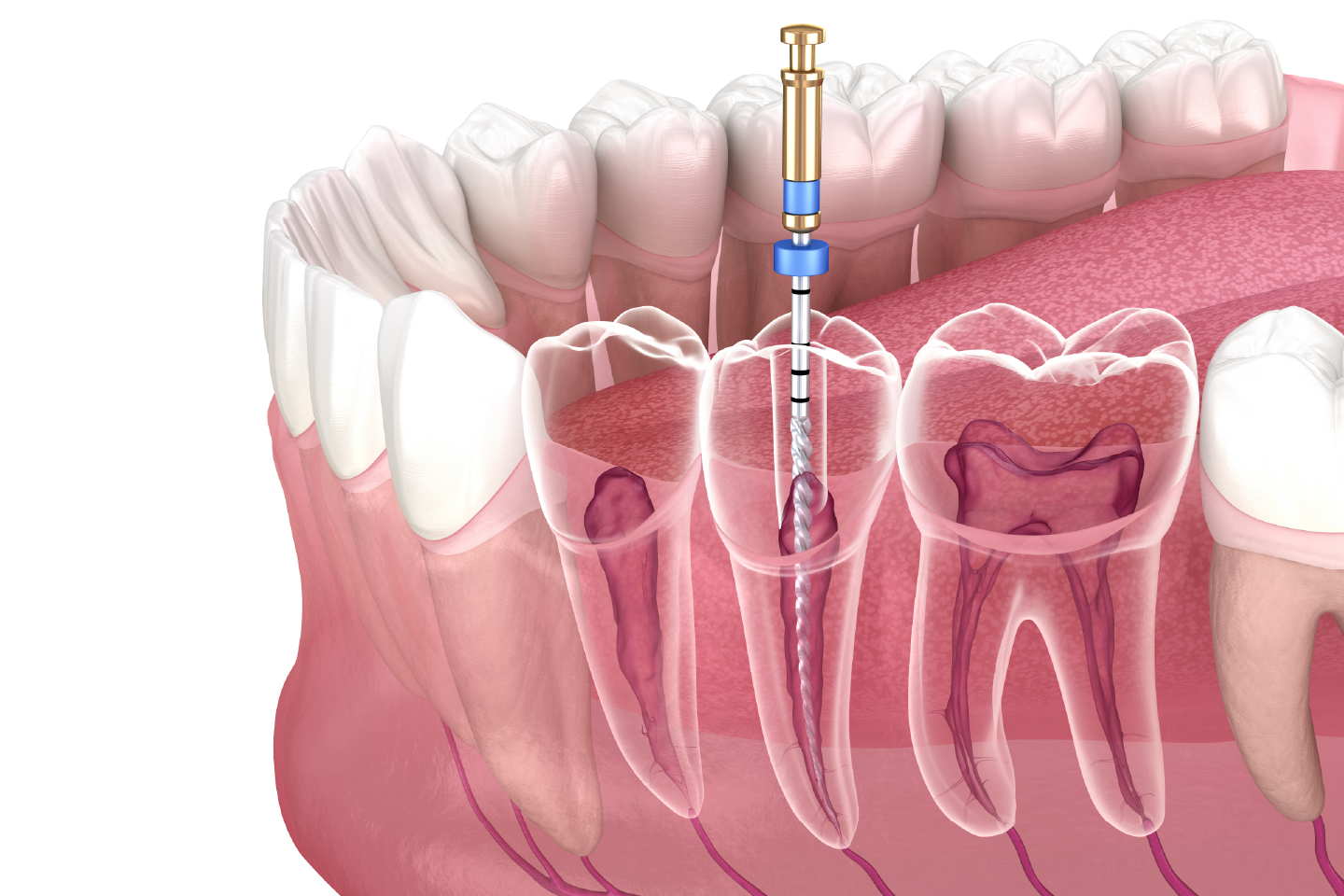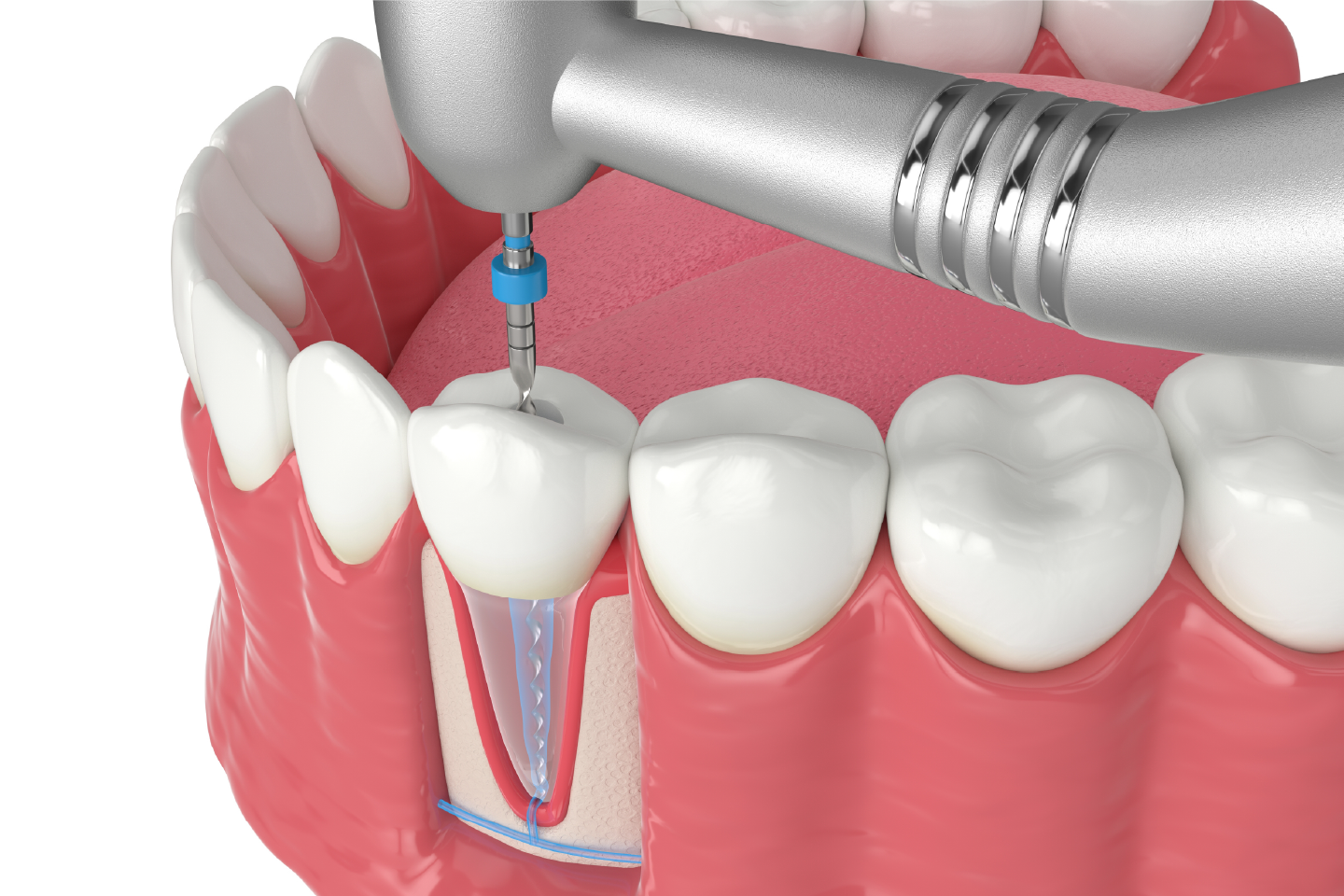



Endodontic treatment, commonly known as root canal therapy, is often performed to preserve teeth that are affected by deep decay, trauma, or infection of the dental pulp. While this treatment generally has a high success rate, complications may sometimes occur during or after the procedure. Understanding these possible complications and the ways in which they are managed can help patients make informed decisions about their oral health. At Alpha Dental, we adopt a careful, evidence-based approach to identify, address, and manage such challenges to support the long-term health of your teeth and gums.
Understanding Endodontic Complications
Endodontic complications can arise for several reasons, such as anatomical variations in the root canal system, pre-existing infection severity, or technical difficulties encountered during the procedure. These complications may not always indicate treatment failure, but can require additional care to stabilise and restore the affected tooth.
Common types of complications include:
Persistent Pain or Discomfort – Some patients may experience pain beyond the expected healing period. This may occur due to residual infection, inflamed tissues, or bite irregularities.
Instrument Separation – Occasionally, dental instruments may fracture inside the canal. This can obstruct the cleaning and filling of the root canal.
Perforations – Unintended openings in the root canal walls or tooth structure can occur during treatment.
Incomplete Cleaning or Shaping – Due to complex canal anatomy, certain areas may be difficult to reach, leaving residual bacteria behind.
Post-Treatment Infection – Infection may recur if bacteria remain in the canal system or re-enter through leakage in restorations.
Tooth or Root Fracture – Weak tooth structure, either pre-existing or treatment-related, may result in fractures that compromise tooth stability.
Principles of Managing Endodontic Complications
The management of complications involves careful diagnosis, selection of appropriate treatment techniques, and long-term monitoring. The following principles guide care at Alpha Dental:
Early Identification – Timely recognition of the complication through detailed examination and radiographic assessment is essential for favourable outcomes.
Minimally Invasive Intervention – Whenever possible, conservative methods are chosen to preserve the natural tooth structure.
Patient-Centred Decision Making – Options are discussed with patients, explaining the benefits, limitations, and potential outcomes, so that informed consent can be obtained.
Evidence-Based Approach – Management strategies are guided by the latest clinical evidence and established dental protocols.
Types of Complications and Their Management
1. Persistent Pain or Discomfort
Assessment: Pain is evaluated through clinical examination and imaging. Possible causes include incomplete pulp removal, infection, or inflammation in surrounding tissues.
Management: Adjusting the bite, prescribing appropriate medication, retreatment of the canal, or addressing surrounding gum issues may be considered.
2. Instrument Separation
Assessment: The position and location of the separated instrument within the canal are determined.
Management: Options include retrieval using specialised techniques, bypassing the fragment, or—in cases where neither is possible—monitoring and sealing the canal to reduce bacterial leakage.
3. Root or Tooth Perforations
Assessment: Identifying the site and size of perforation using clinical and radiographic tools.
Management: Biocompatible materials are used to seal the perforation and restore the integrity of the tooth. The long-term outcome depends on the size and location of the defect.
4. Incomplete Cleaning of Root Canals
Assessment: X-rays and other diagnostic tools are used to detect missed canals.
Management: Retreatment or advanced endodontic procedures, such as the use of operating microscopes, may be carried out to locate and clean hidden canals.
5. Re-Infection After Treatment
Assessment: Infection may present as pain, swelling, or radiographic evidence of persistent lesions.
Management: Retreatment or surgical procedures, such as endodontic microsurgery, may be performed to remove infection and preserve the tooth.
6. Tooth or Root Fracture
Assessment: Fractures are diagnosed with the help of imaging and clinical evaluation.
Management: Treatment may include bonding procedures, crown placement for reinforcement, or extraction if the fracture is severe and non-restorable.
Role of Advanced Techniques in Managing Complications
Advancements in endodontics have significantly improved the management of complications. Some commonly used technologies and methods include:
Dental Operating Microscopes – Provide enhanced visibility of complex canal anatomy and fine structures.
Ultrasonic Instruments – Assist in retrieving separated instruments and cleaning difficult-to-reach areas.
Biocompatible Materials – Materials such as mineral trioxide aggregate (MTA) help in sealing perforations and promoting healing.
Cone Beam Computed Tomography (CBCT) – Offers three-dimensional imaging for accurate diagnosis of root fractures, perforations, and complex canal systems.
Patient Care During and After Complication Management
Patients undergoing complication management are guided through each stage of care. Key aspects include:
Clear Explanations – Patients are informed about the complication, its implications, and possible treatment options.
Pain Management – Measures are taken to ensure patient comfort during procedures and recovery.
Follow-Up Visits – Regular reviews allow monitoring of healing and early detection of any recurrence.
Restorative Considerations – Following endodontic complication management, crowns or other restorations may be recommended to strengthen the tooth and prevent reinfection.
When to Seek Care
Patients should contact their dentist if they notice:
Prolonged pain or swelling after a root canal procedure.
A fractured or chipped tooth following treatment.
Gum swelling, abscess formation, or persistent discomfort around a treated tooth.
Prompt attention can improve outcomes and reduce the risk of more complex interventions.
Conclusion
While root canal therapy is generally effective in saving natural teeth, complications can occasionally arise due to anatomical challenges, infection severity, or technical factors. At Alpha Dental, the management of endodontic complications is approached systematically, with a focus on accurate diagnosis, conservative techniques, and patient-centred care. Through the use of modern technology and established protocols, our goal is to provide patients with a clear understanding of their condition and the available treatment pathways.
Book Online
Sent!
Thank you for your interest.
An error has occurred somewhere and it is not possible to submit the form. Please try again later.
You can book an appointment immediately via the form, or feel free to contact us via email or phone.