


.svg)








Orthodontics is a specialised area of dentistry that focuses on the diagnosis, prevention, and treatment of dental and facial irregularities. It primarily involves correcting the alignment of teeth, jaws, and bite relationships. Many people associate orthodontics with braces, but modern orthodontic care offers a wide range of treatment options to suit different age groups and dental needs.
At Alpha Dental, our approach to orthodontics is comprehensive and centred on improving both function and oral health. Well-aligned teeth are not only easier to clean and maintain but also contribute to balanced jaw function and reduced risk of certain dental complications.
The position of the teeth and jaws affects more than appearance. Misaligned teeth or bite problems can contribute to:
Correcting these issues through orthodontic treatment can help establish a healthier bite, distribute chewing forces more evenly, and support long-term oral stability.
Orthodontic treatment is recommended for various dental and jaw irregularities, including:
Each of these conditions varies in severity, and treatment is tailored to the individual’s needs.
At Alpha Dental, a range of orthodontic treatment options is available to suit different age groups, dental needs, and preferences. Each option works differently to guide teeth into better alignment and improve bite function.
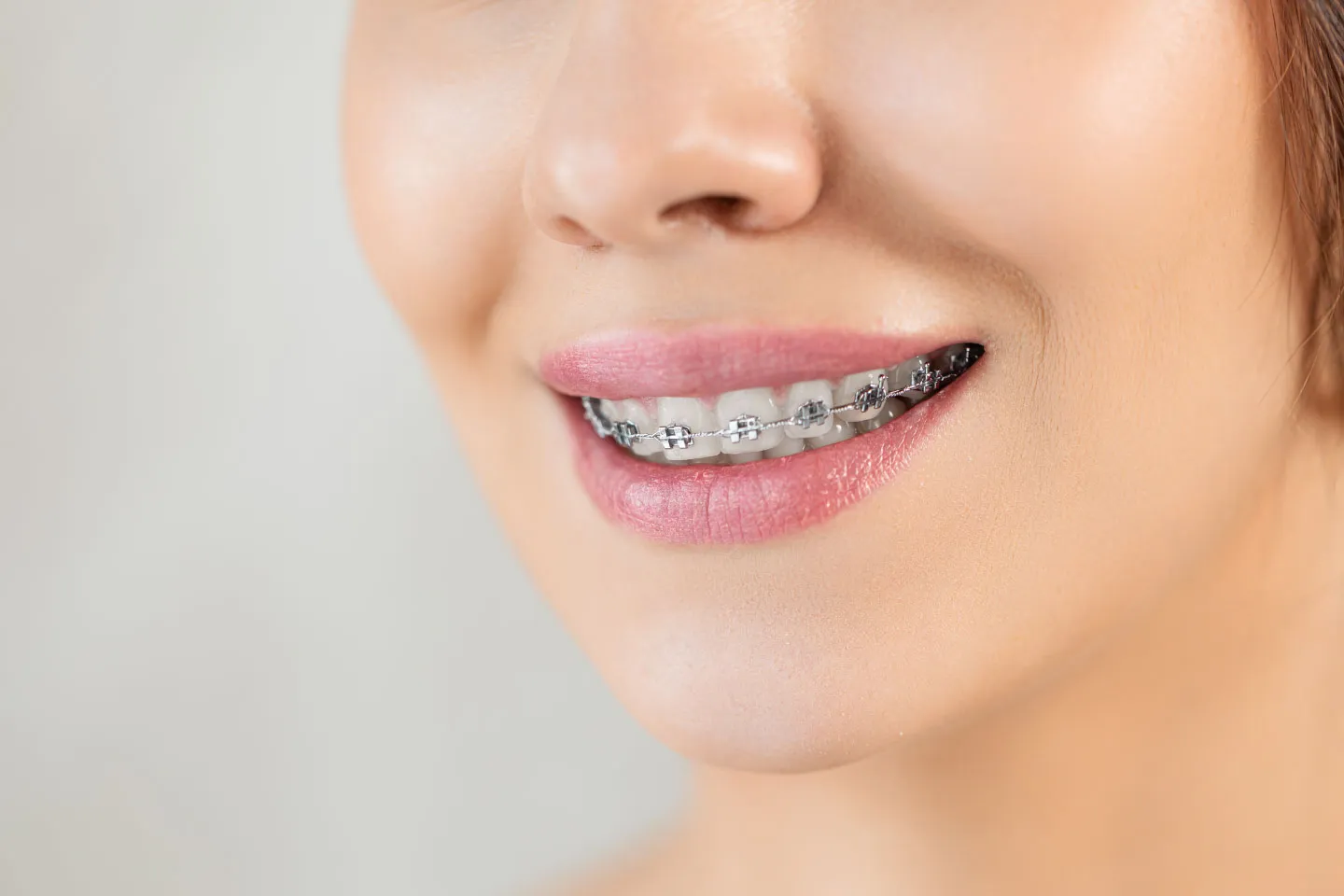
Metal braces use brackets and wires to gradually move teeth into position. They are a well-established method for managing various orthodontic concerns and are commonly used in both adolescents and adults.
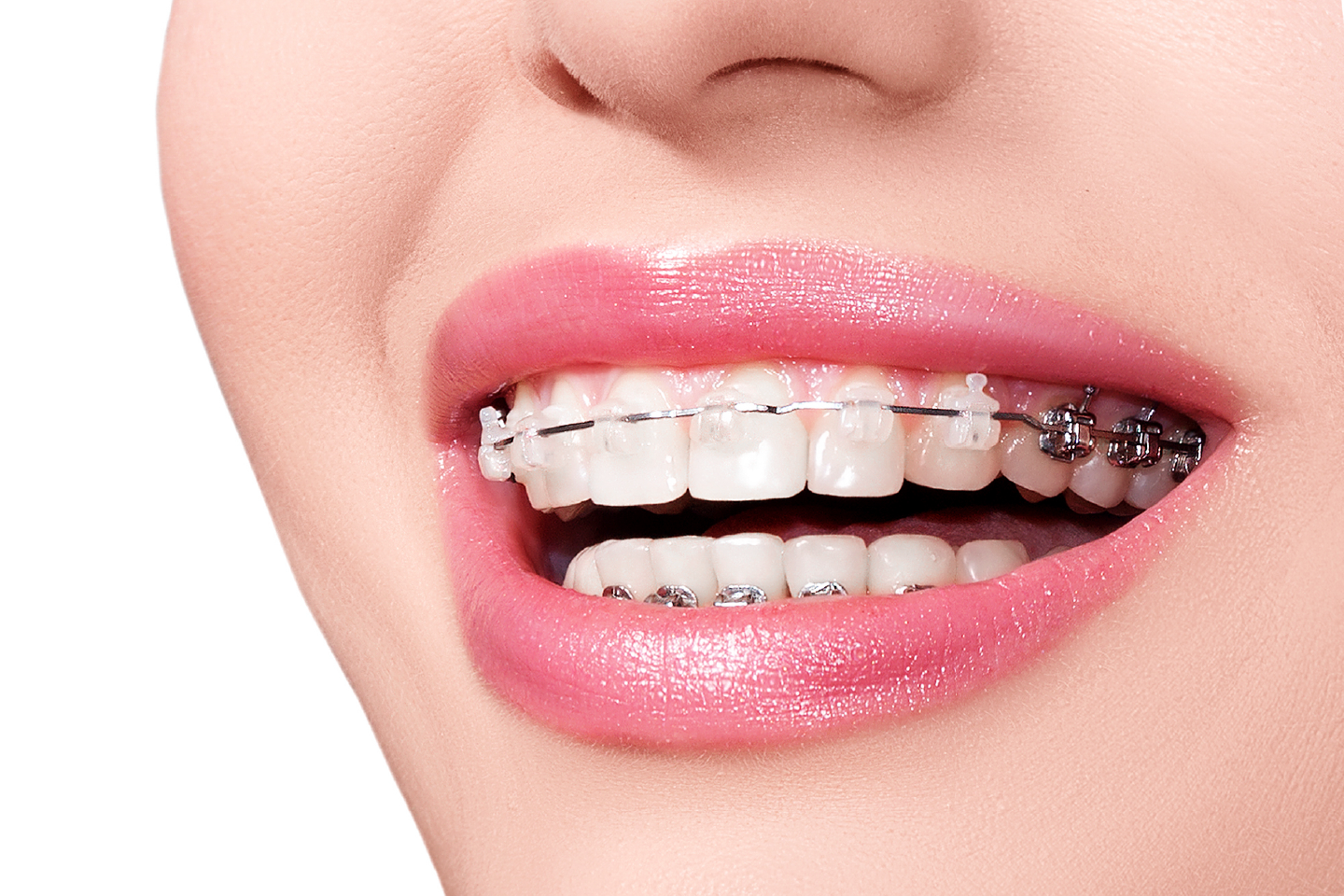
Ceramic braces function in a similar way to metal braces but use tooth-coloured or clear brackets. They offer an alternative for patients who prefer a less noticeable option while still receiving fixed orthodontic care.
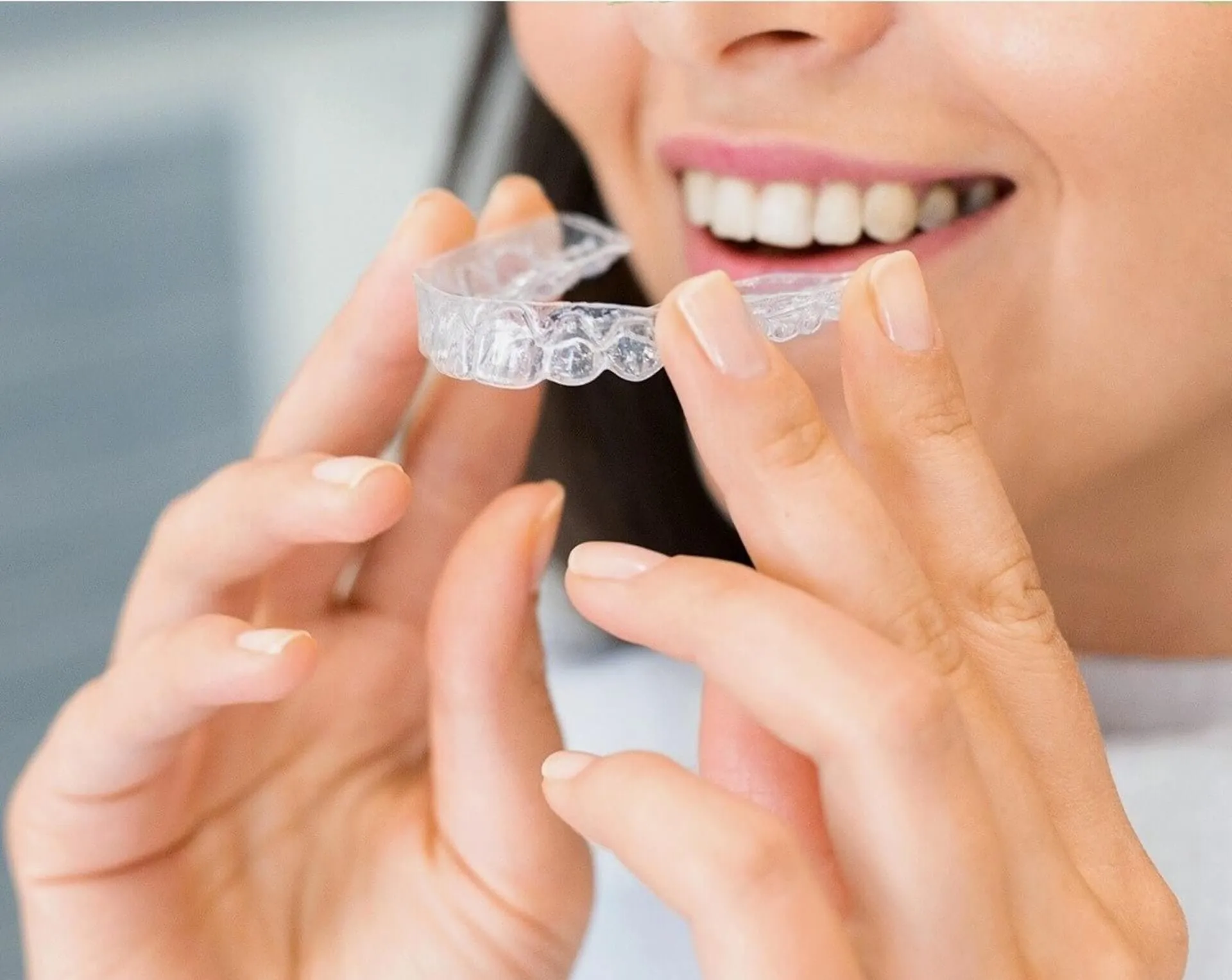
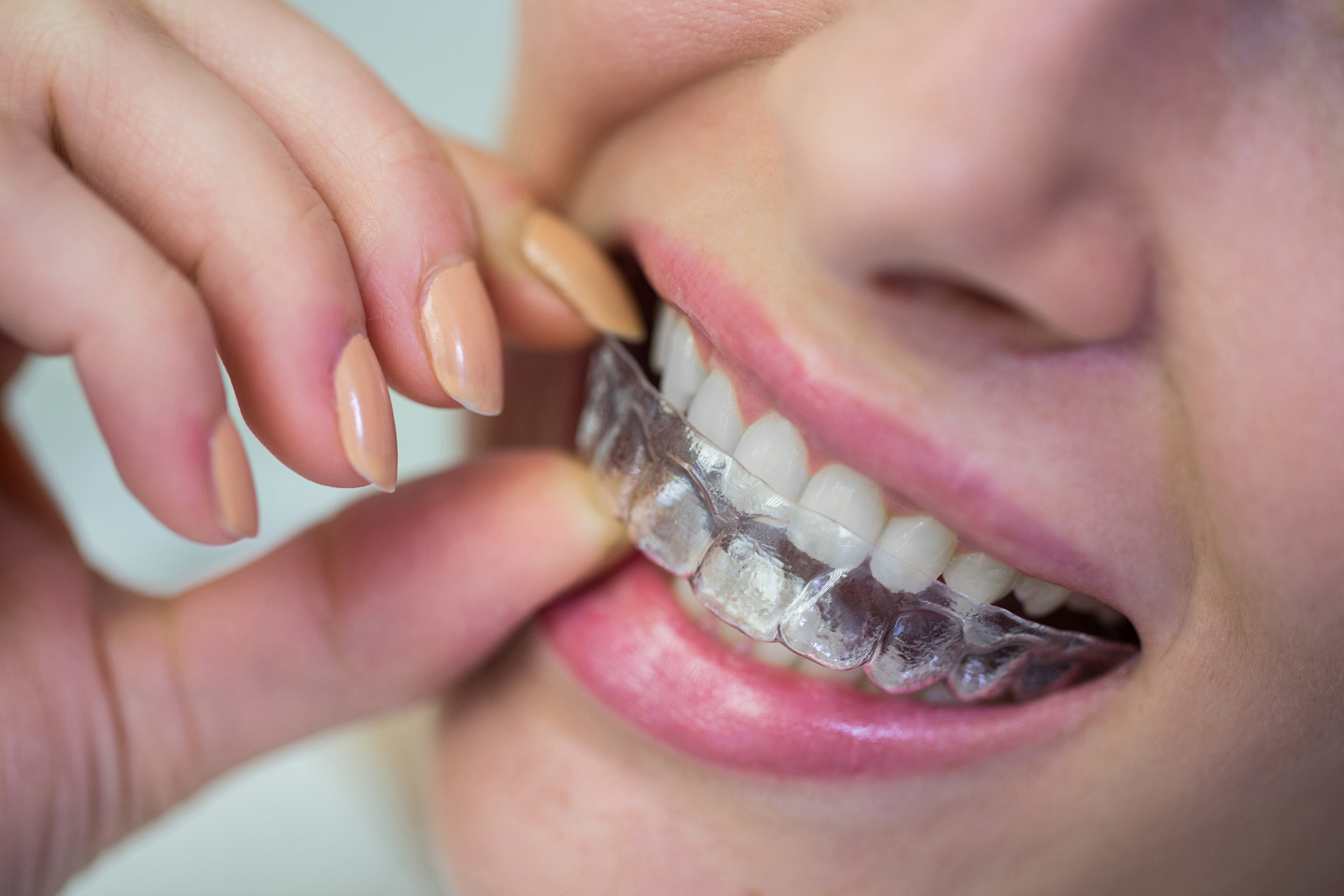
Invisalign treatment involves a series of removable, clear aligners that gradually shift teeth into alignment. At Alpha Dental, different Invisalign programmes are available depending on the complexity of the case:
Invisalign Teens is specifically developed for younger patients. It works in the same way as standard Invisalign aligners but incorporates design features to accommodate growing teeth and encourage treatment compliance.
Invisalign First is designed for children whose permanent teeth are still developing. It can help manage early orthodontic concerns and guide jaw growth where appropriate.
The orthodontic journey typically involves several stages, each important in ensuring effective and safe outcomes:
The process begins with a comprehensive evaluation of the teeth, jaws, and bite. Diagnostic records, such as photographs, X-rays, and digital scans, are often used to plan treatment accurately.
Based on the assessment, a customised plan is created. We will discuss the available options, the expected duration of treatment, and what can be expected during the process.
This phase involves the use of braces, aligners, or other appliances to gradually move the teeth into alignment. Regular review appointments are scheduled to monitor progress and make necessary adjustments.
Once the teeth have been moved into their correct positions, a retention phase is essential to prevent relapse. Retainers are used to help the teeth stabilise in their new positions, and follow-up visits ensure that the results are maintained.
Orthodontic treatment can be beneficial at any age, though the approach differs depending on the stage of dental development.
The length of orthodontic treatment varies depending on the complexity of the case, the type of appliance used, and patient cooperation. Simple corrections may take several months, while more complex cases may require two to three years. Regular attendance at review appointments and following instructions on appliance care can influence treatment efficiency.
Orthodontic treatment involves adjustments to daily routines:
As with all dental procedures, orthodontic treatment carries certain considerations:
Patients are advised to discuss these aspects with their dentist before starting treatment.
While the journey may take time, orthodontic treatment can support:
After treatment, regular dental check-ups and proper retainer use are crucial. Maintenance ensures that teeth remain in their corrected positions and that oral health remains stable in the long term.
Orthodontics is about more than just straightening teeth—it addresses functional, structural, and oral health concerns. Whether for children, teenagers, or adults, orthodontic care provides a structured approach to achieving a stable, well-aligned bite. At Alpha Dental, patients can expect a thorough evaluation, personalised treatment planning, and ongoing support throughout their orthodontic journey.









.svg)


