


.svg)











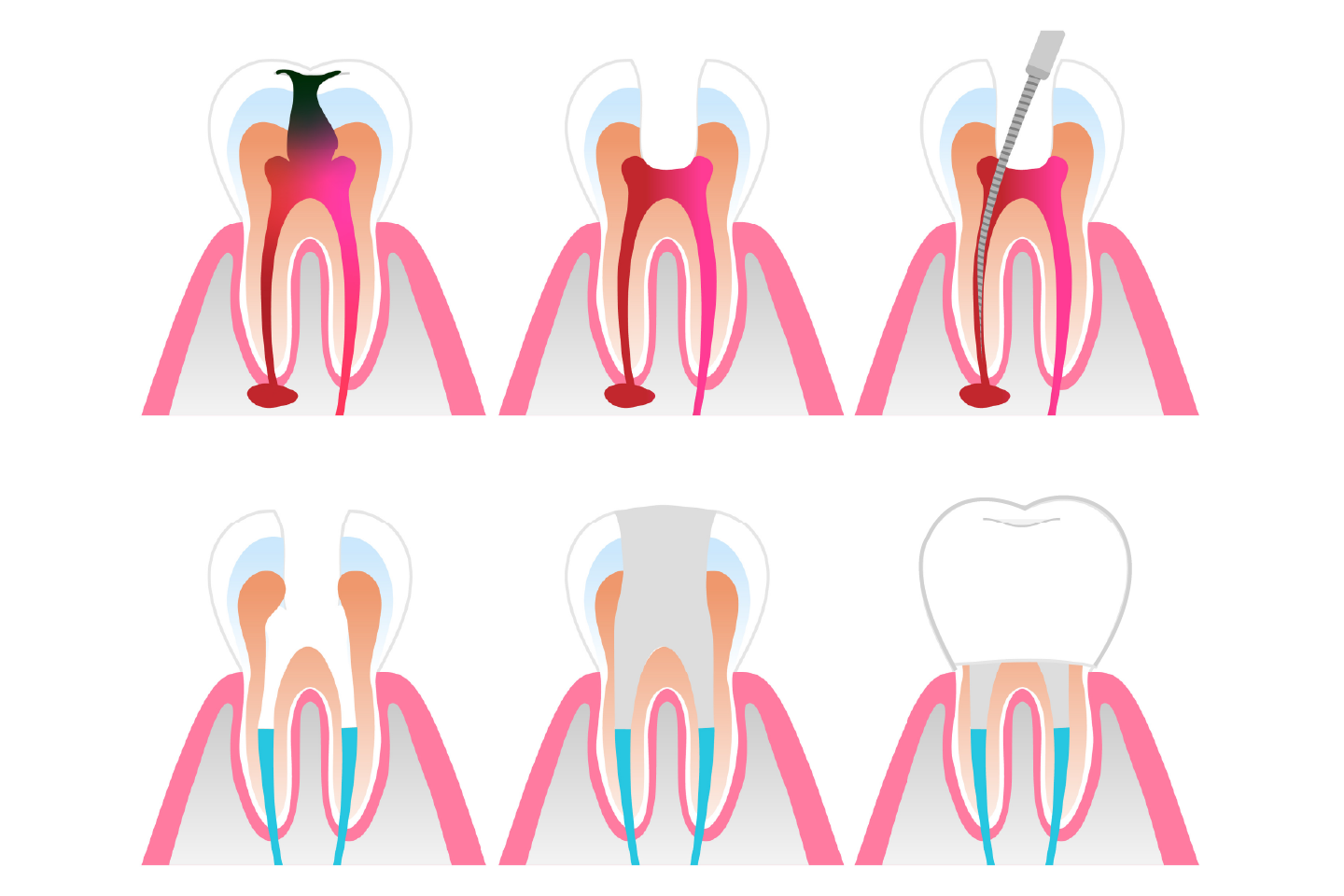
The dental pulp, located inside the tooth, contains blood vessels, nerves, and connective tissues that help the tooth stay healthy. When the pulp is exposed to injury, trauma, or decay, there is a risk of infection or inflammation. Traditionally, the solution for damaged pulp has been root canal treatment or extraction. However, in cases where the pulp is still healthy enough to heal, Vital Pulp Therapy (VPT) offers a conservative alternative.
Vital pulp therapy aims to preserve and maintain the vitality of the pulp, giving the natural tooth the chance to continue functioning. By retaining healthy pulp tissue, patients may benefit from better long-term outcomes, such as continued root development in younger patients and preservation of the tooth’s natural strength.
Vital pulp therapy is recommended in cases where the pulp is partially affected but not completely compromised. Some situations where a dentist may suggest this treatment include:
Your dentist will carefully evaluate the condition of your tooth through clinical examination and diagnostic tools, such as X-rays, before recommending vital pulp therapy.
Vital pulp therapy includes several procedures, depending on the extent of pulp exposure and the condition of the tooth:
All these procedures are carried out under local anaesthesia to ensure comfort. After treatment, the tooth is typically restored with a suitable filling or crown to protect it from further damage.
Vital pulp therapy offers several advantages compared to more extensive procedures such as root canal treatment or extraction:
While VPT can be highly beneficial, it is not suitable in every case. The success of the procedure depends on careful case selection and the condition of the pulp. Limitations include:
Your dentist will discuss whether vital pulp therapy is appropriate for your individual case after a thorough assessment.
Following vital pulp therapy, patients may experience mild sensitivity or discomfort for a short period. This usually subsides as the tooth heals. To support recovery, patients are advised to:
Studies have shown that vital pulp therapy can achieve high success rates when carried out under proper conditions, especially in teeth that are carefully selected for treatment. Success depends on several factors, including:
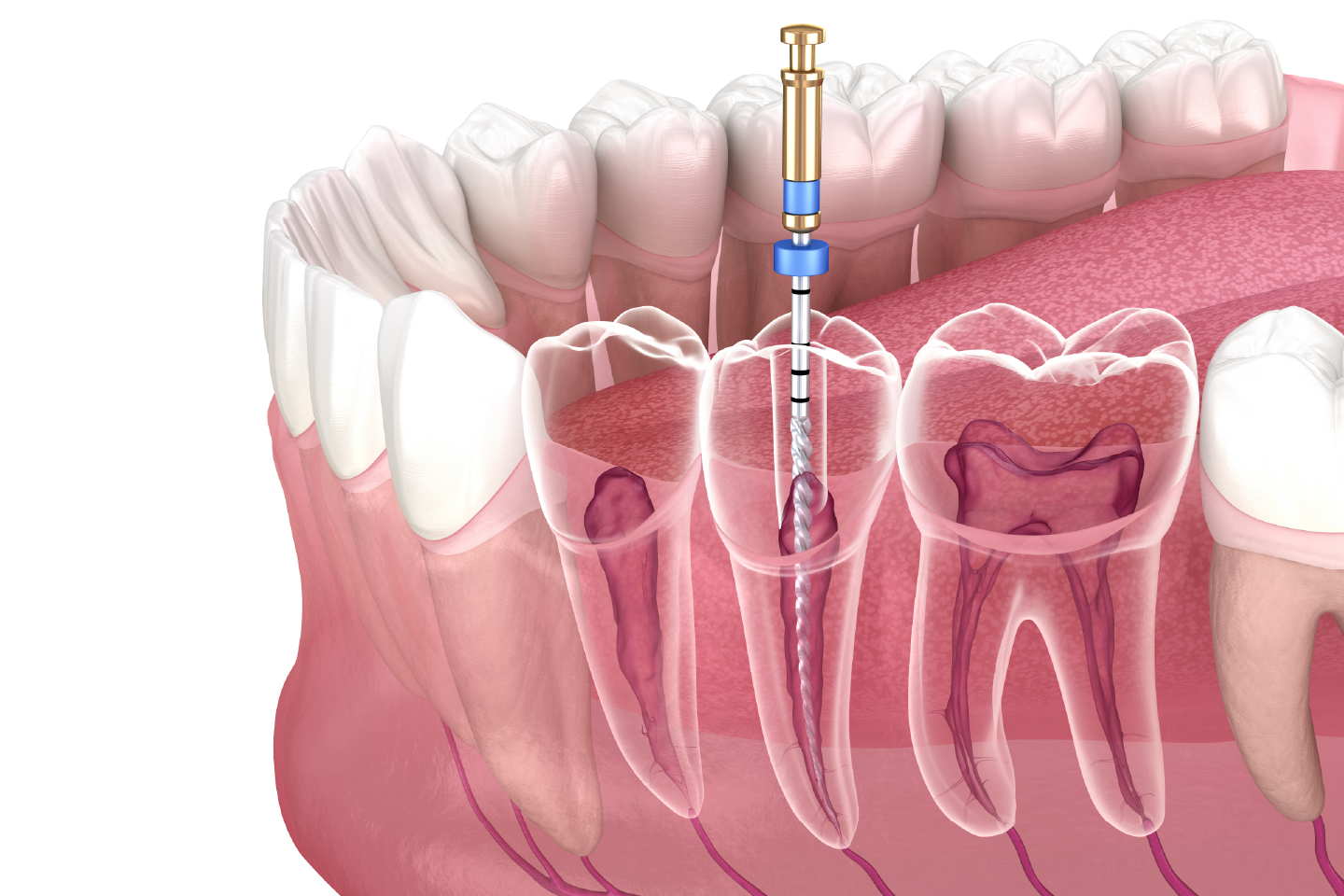
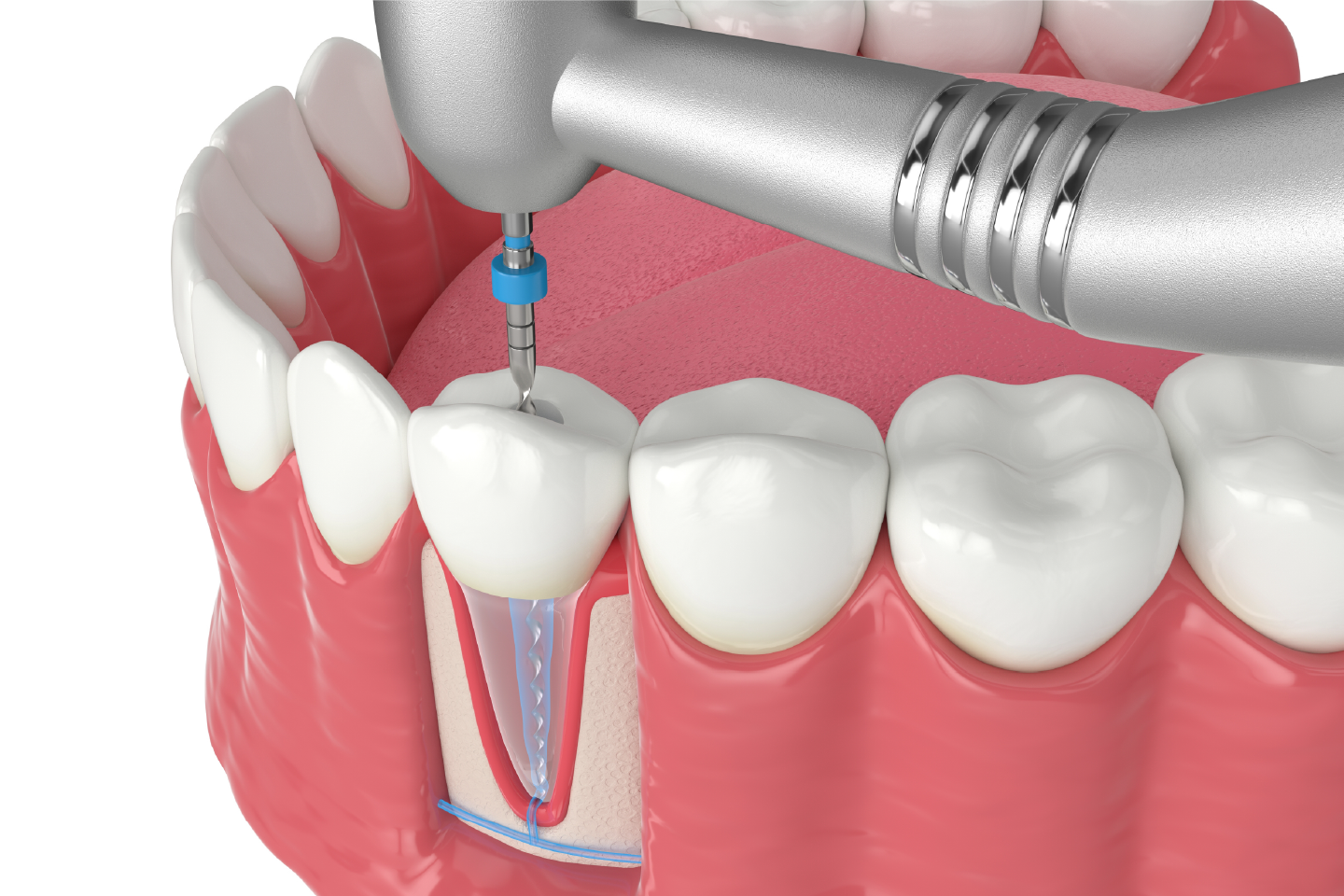
It is important to understand how VPT differs from root canal therapy:
Both treatments are effective, but the choice depends on the severity of pulp involvement. Vital pulp therapy is often considered a first-line option in suitable cases, particularly in children and young adults.
At Alpha Dental, we prioritise conservative dentistry whenever possible. Our approach to vital pulp therapy is based on careful diagnosis, modern treatment techniques, and the use of advanced biocompatible materials. We aim to preserve the natural tooth whenever it is in the patient’s best interest, while also ensuring long-term function and comfort.
If you have been told you may need a root canal or if you are experiencing tooth sensitivity, pain, or trauma, it may be worth discussing whether vital pulp therapy is an option for you. At Alpha Dental, our dental team will carefully assess your tooth and explain the most appropriate treatment plan.
Contact us today to schedule a consultation and explore your options for preserving your natural teeth.








.svg)


