


.svg)










Dental trauma can occur unexpectedly and often requires prompt attention to preserve oral health and function. At Alpha Dental, our team provides comprehensive care for patients who experience injuries to their teeth, gums, or supporting structures. The goal of dental trauma management is to stabilise the affected areas, prevent further complications, and restore normal function as much as possible.
Dental trauma refers to any injury involving the teeth, mouth, or surrounding tissues. These injuries may range from minor chips to more severe conditions such as avulsed (knocked-out) teeth or jawbone fractures. Trauma may occur due to accidents, falls, contact sports, or other sudden impacts.
Prompt assessment and appropriate management are important in improving the outcome of treatment. Every case is unique, and the required approach depends on the type and severity of the injury.
Dental trauma can present in many different forms. Some of the more common types include:
The management of dental trauma is tailored to the individual situation. The process generally involves several steps:
A thorough examination is conducted, which may include clinical assessment, dental radiographs, and in some cases, advanced imaging. This helps determine the nature and severity of the trauma and whether supporting structures such as bone and ligaments are affected.
Immediate care focuses on alleviating discomfort and stabilising the injured tooth or tissues. Temporary splints or dressings may be used in certain cases.
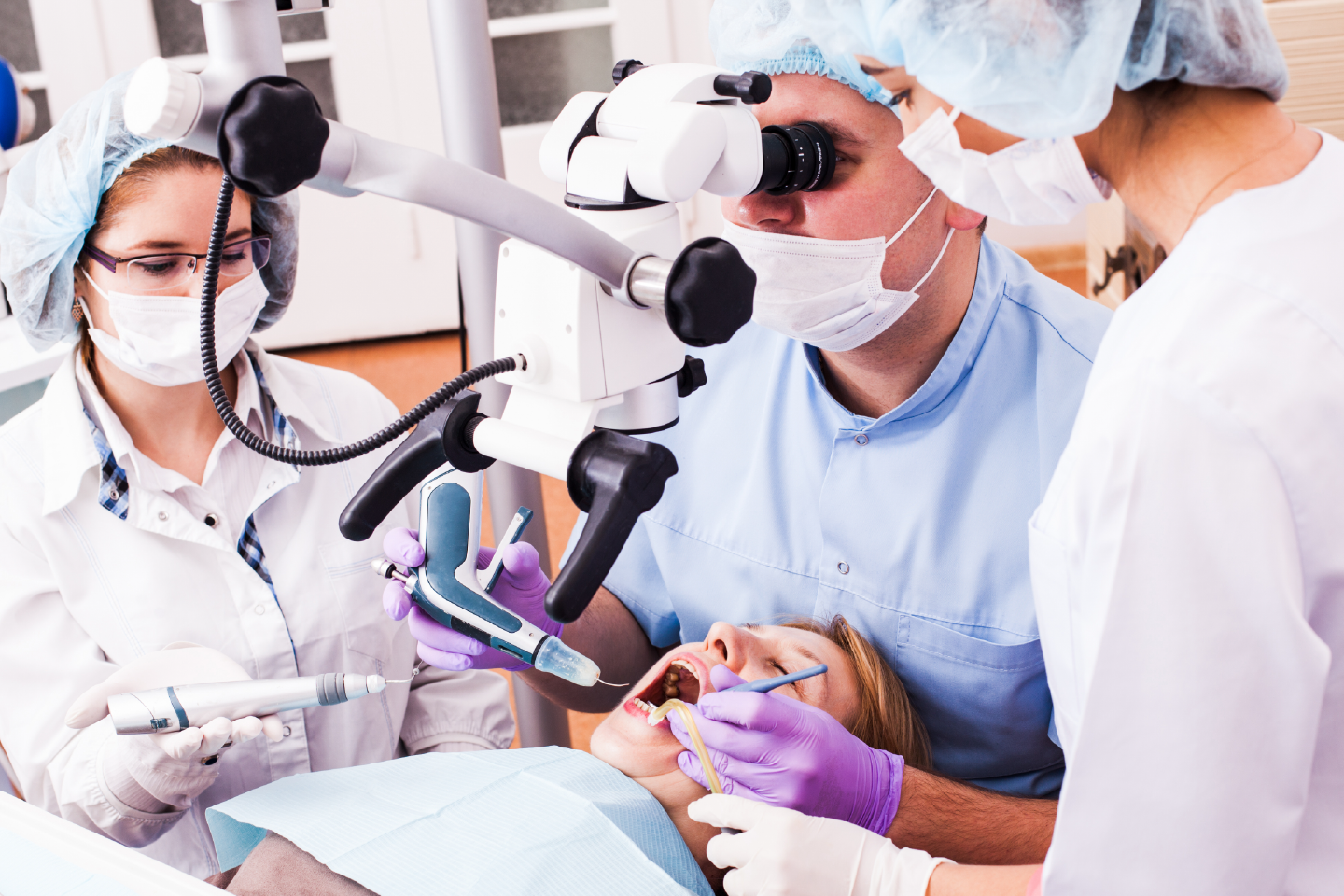
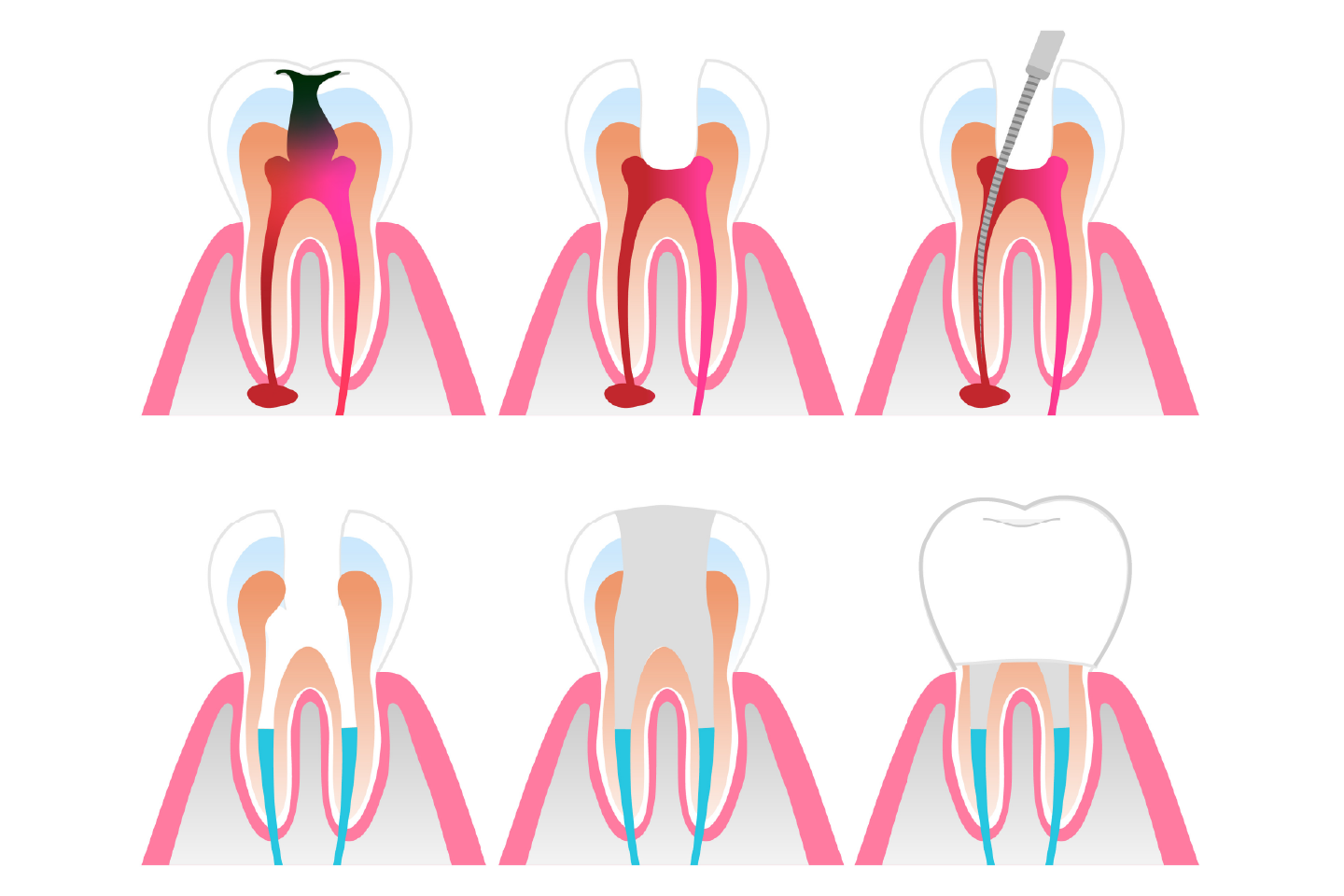
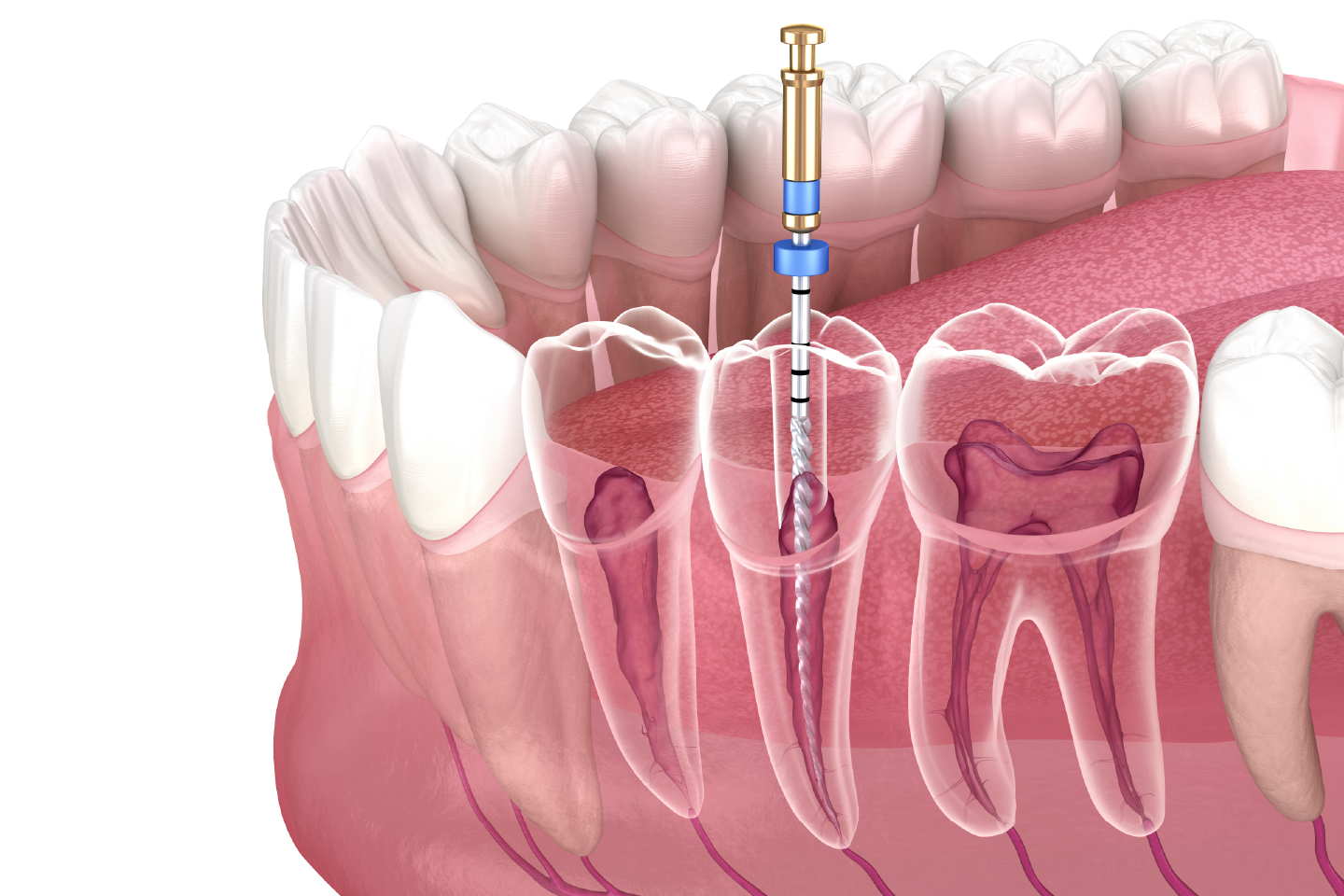
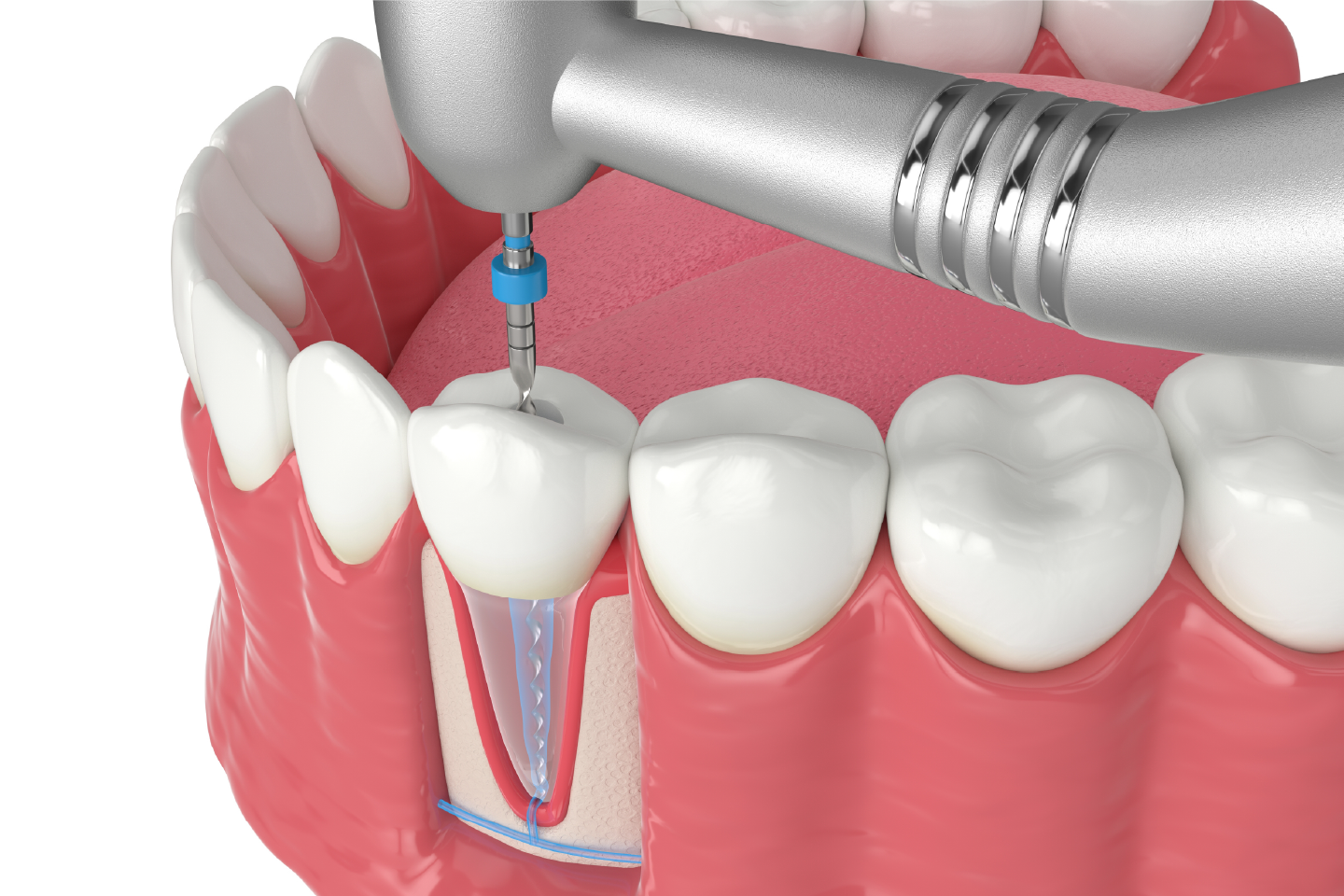
Once the injury has been stabilised, a personalised treatment plan is developed. This plan may involve endodontic treatment, restorative work, surgical intervention, or a combination of approaches, depending on the trauma sustained.
In cases involving bone fractures or complex injuries, minor surgical procedures may be required to reposition bone fragments or repair tissues.
Dental trauma often requires long-term monitoring, as complications such as pulp necrosis, root resorption, or periodontal problems may occur months or even years after the injury. Regular follow-up appointments and radiographs are essential to track healing and intervene if complications develop.
Even with prompt treatment, trauma to teeth and supporting structures can lead to complications. These may include:
Understanding these risks helps patients remain vigilant in attending follow-up appointments and maintaining good oral hygiene.
Dental trauma in children requires special attention, as their teeth and jaws are still developing. Management may vary depending on whether the injury involves primary (baby) teeth or permanent teeth. For example:
Growth and development must be carefully monitored, and ongoing follow-up is crucial.
While not all injuries can be avoided, certain measures can help reduce the risk of dental trauma:
Prevention and protection strategies play a significant role in safeguarding oral health.
Dental trauma should not be ignored, even if the injury seems minor. Early intervention can make a significant difference in preserving the tooth and preventing long-term complications. Patients are encouraged to contact a dentist as soon as possible after an injury, as timing is often critical in determining the outcome.
The management of dental trauma is a comprehensive process that involves immediate care, long-term monitoring, and personalised treatment. At Alpha Dental, we provide a structured approach to managing injuries affecting the teeth, gums, and supporting structures, with the aim of restoring oral function and health.
If you or your child experiences dental trauma, it is advisable to seek professional dental care promptly. Timely attention can improve the chances of preserving teeth and maintaining overall oral health.





.svg)


