


.svg)









Advances in dental science have introduced new approaches to saving teeth that might otherwise be lost due to severe infection or injury. One of the most innovative developments is regenerative endodontics. Unlike traditional root canal therapy, which focuses on removing diseased pulp and filling the space with an inert material, regenerative endodontics aims to restore vitality and promote natural healing within the tooth.
At Alpha Dental, we provide regenerative endodontic treatment as part of our comprehensive approach to advanced dental care. This page explains what regenerative endodontics involves, when it may be considered, and what patients can expect from the process.
Regenerative endodontics is a biological-based treatment designed to encourage the regeneration of dental pulp and surrounding tissues. The primary goal is to allow the tooth to continue its natural development and healing, particularly in younger patients where the roots may not have fully matured.
This approach uses principles of tissue engineering, which include:
Together, these elements create an environment where new pulp-like tissue, blood vessels, and sometimes even dentin can develop.
Regenerative endodontics is typically considered in specific clinical situations, such as:
It is important to note that regenerative endodontics may not be suitable in every case. The treating dentist will assess the condition of the tooth, the patient's age, and overall oral health before recommending this option.
The aims of regenerative endodontic procedures include:
These goals are especially valuable in younger patients, where saving and strengthening the natural tooth can help avoid complex treatments later in life.
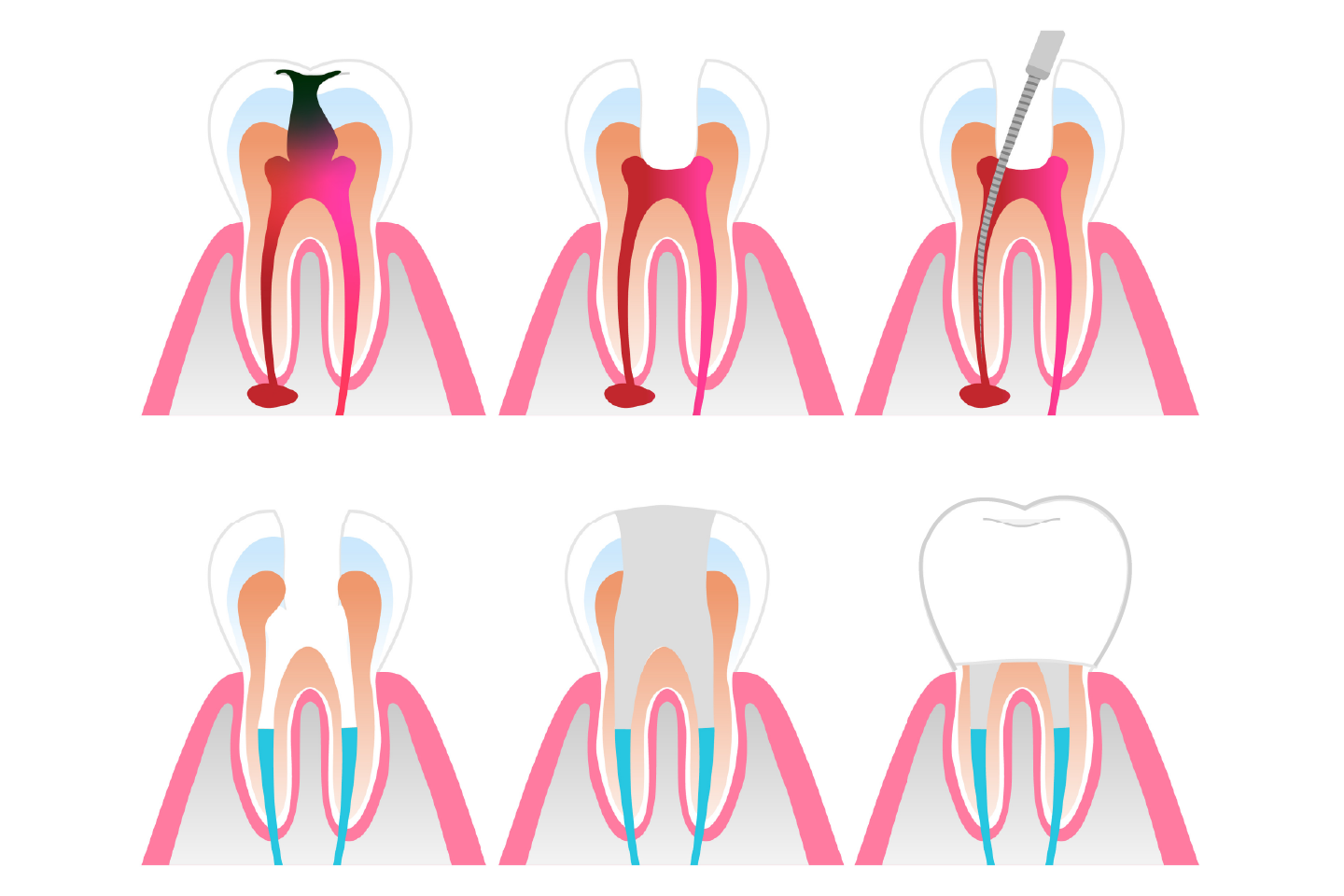
A regenerative endodontic procedure generally involves several stages. While the exact steps may vary depending on the case, the treatment process often includes:
The dentist begins with a thorough examination, which may include X-rays or other diagnostic tools. The tooth’s condition, stage of root development, and presence of infection are carefully evaluated.
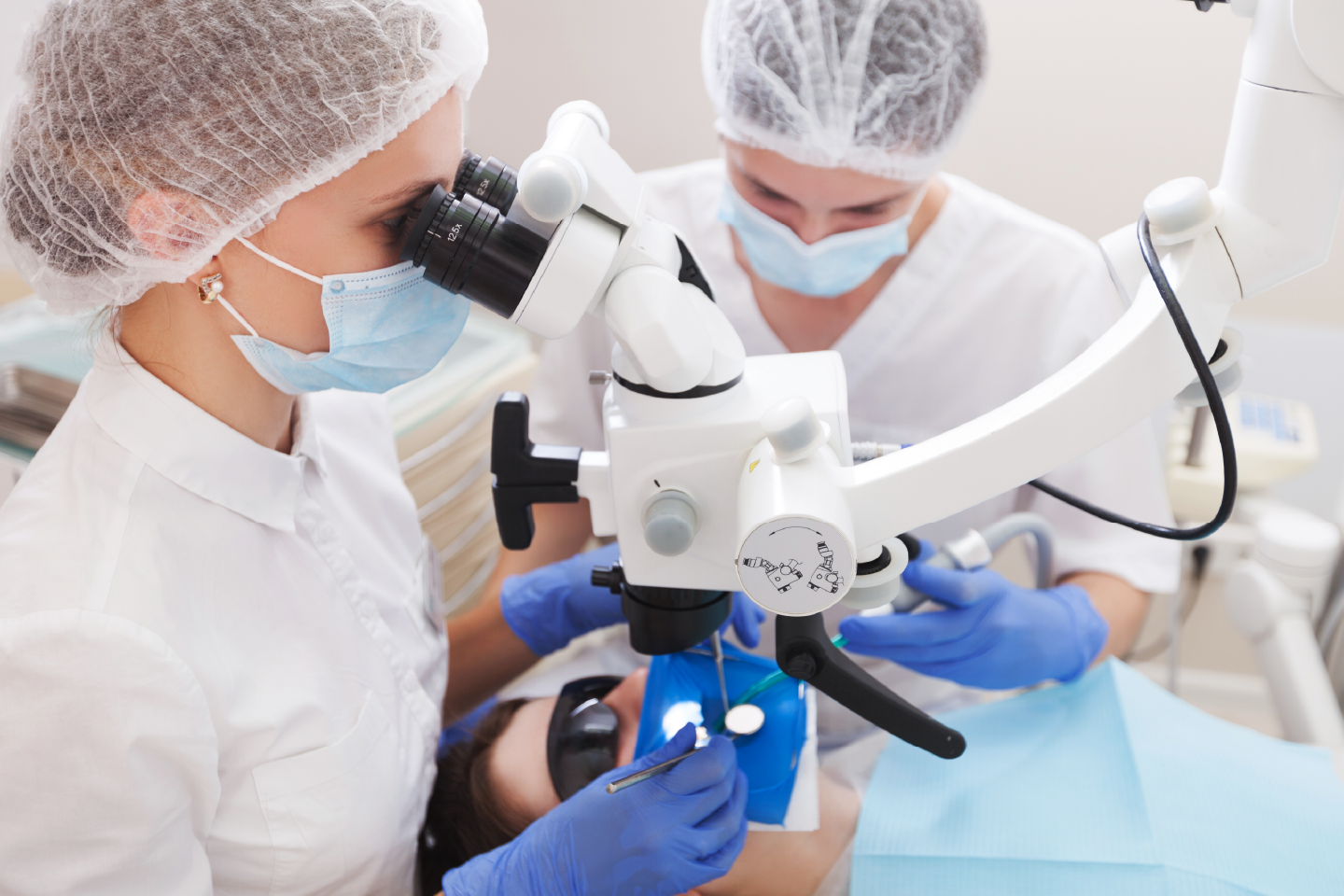
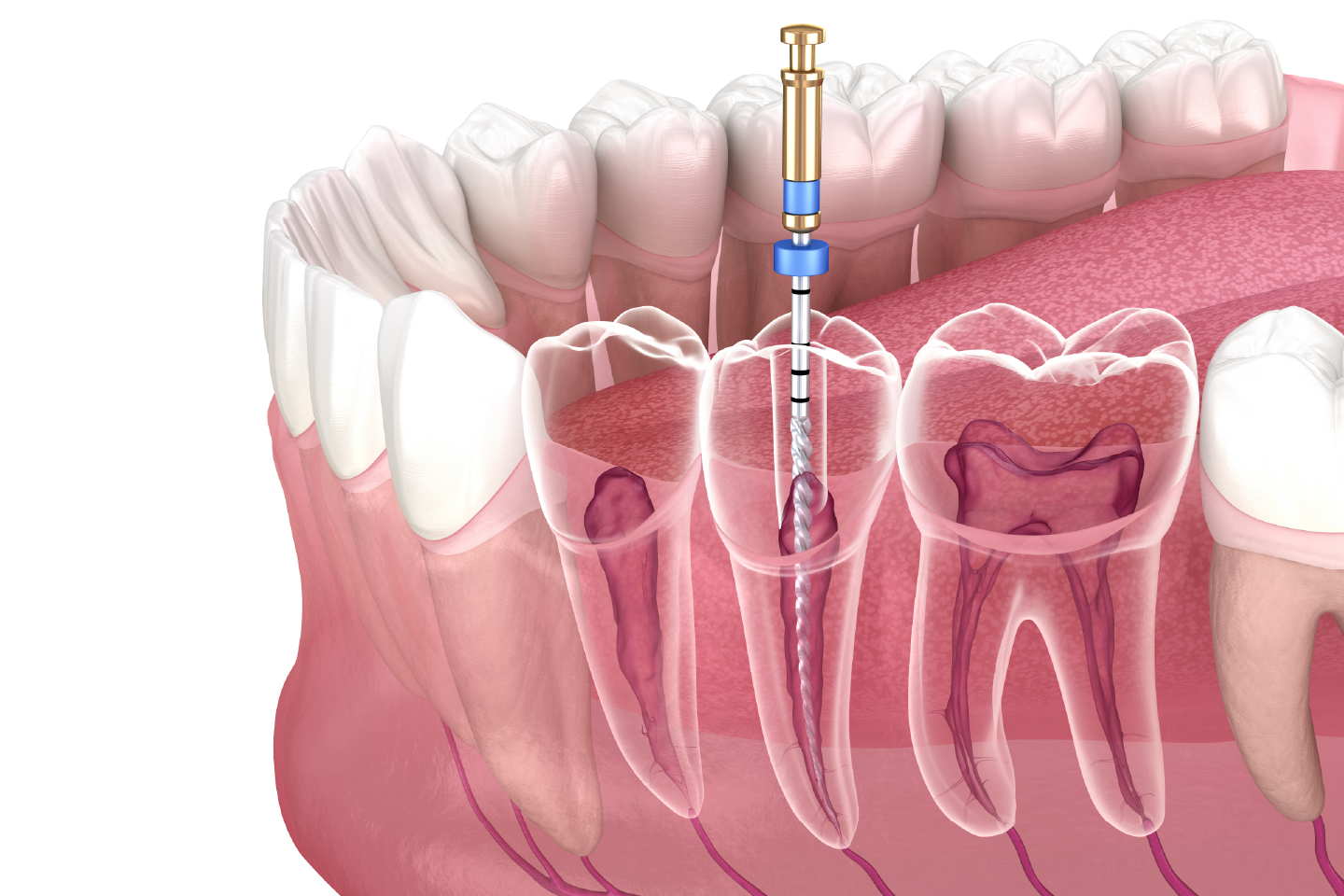
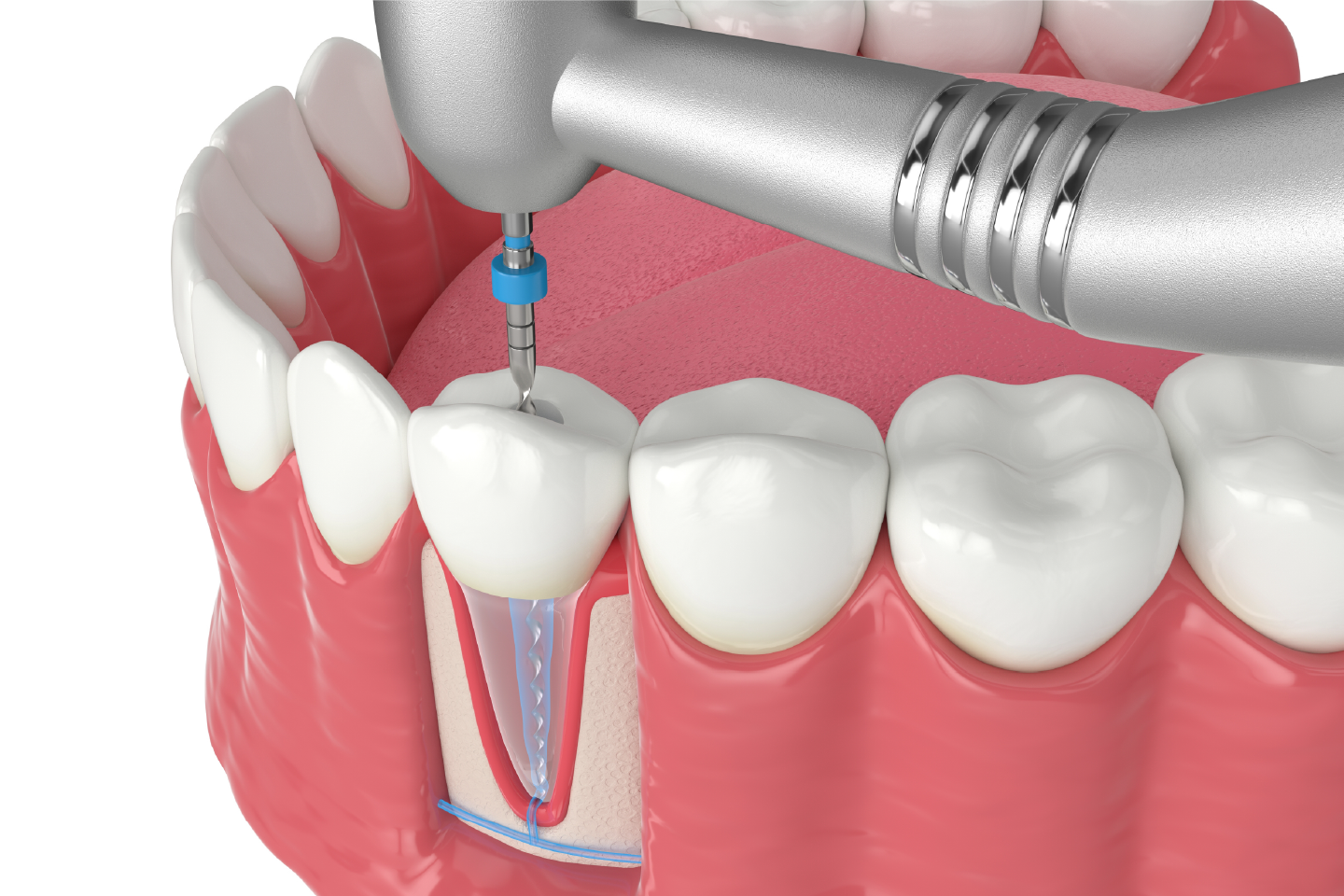
The root canal is gently cleaned and disinfected to eliminate bacteria and inflamed tissue. Unlike conventional root canal treatment, extensive removal of dentin and pulp is avoided to preserve as much natural tissue as possible.
An antibacterial medicament is placed inside the canal to ensure infection control. The tooth is then temporarily sealed, allowing the medicament to work over a few weeks.
At the next visit, the dentist may stimulate bleeding into the canal from surrounding tissues. This creates a blood clot that provides stem cells and growth factors for regeneration. In some cases, biocompatible scaffolds or biomaterials are used to encourage tissue formation.
Once the clot or scaffold is in place, the canal is sealed with a protective barrier, and a final restoration is added to protect the tooth from reinfection and fracture.
Patients will return for regular reviews, which may include X-rays, to monitor healing and root development over time.
Patients may experience mild discomfort for a short period following the procedure, which usually improves with time. Maintaining good oral hygiene and attending all follow-up appointments are essential for monitoring progress.
The outcomes of regenerative endodontics may vary depending on individual circumstances, such as the severity of infection, the patient’s age, and how the tooth responds to treatment. In some cases, continued root development and regained vitality can be observed, while in others, the tooth may still require additional care.
While regenerative endodontics is a promising treatment option, it has some limitations:
To help ensure the best possible outcome, patients should:
Regenerative endodontics represents a significant advancement in dental care, focusing on biologically restoring the health and function of teeth rather than simply replacing lost tissue. While it may not be suitable for every case, it offers an alternative approach for saving teeth, particularly in younger patients with underdeveloped roots.
At Alpha Dental, we provide a careful assessment to determine whether regenerative endodontics is an appropriate treatment for a patient’s specific needs. The priority is always to preserve natural teeth and support long-term oral health through evidence-based care.







.svg)


