


.svg)










Root augmentation is a periodontal procedure designed to strengthen and improve the stability of tooth roots that have been weakened or exposed due to gum disease. It plays an important role in protecting teeth from further damage, reducing sensitivity, and supporting long-term oral health.
When gum disease progresses, the gum tissue and bone supporting the teeth may begin to recede. This leaves parts of the tooth roots exposed, which can increase the risk of decay, mobility, and eventual tooth loss. Root augmentation helps to restore protection to these vulnerable areas.
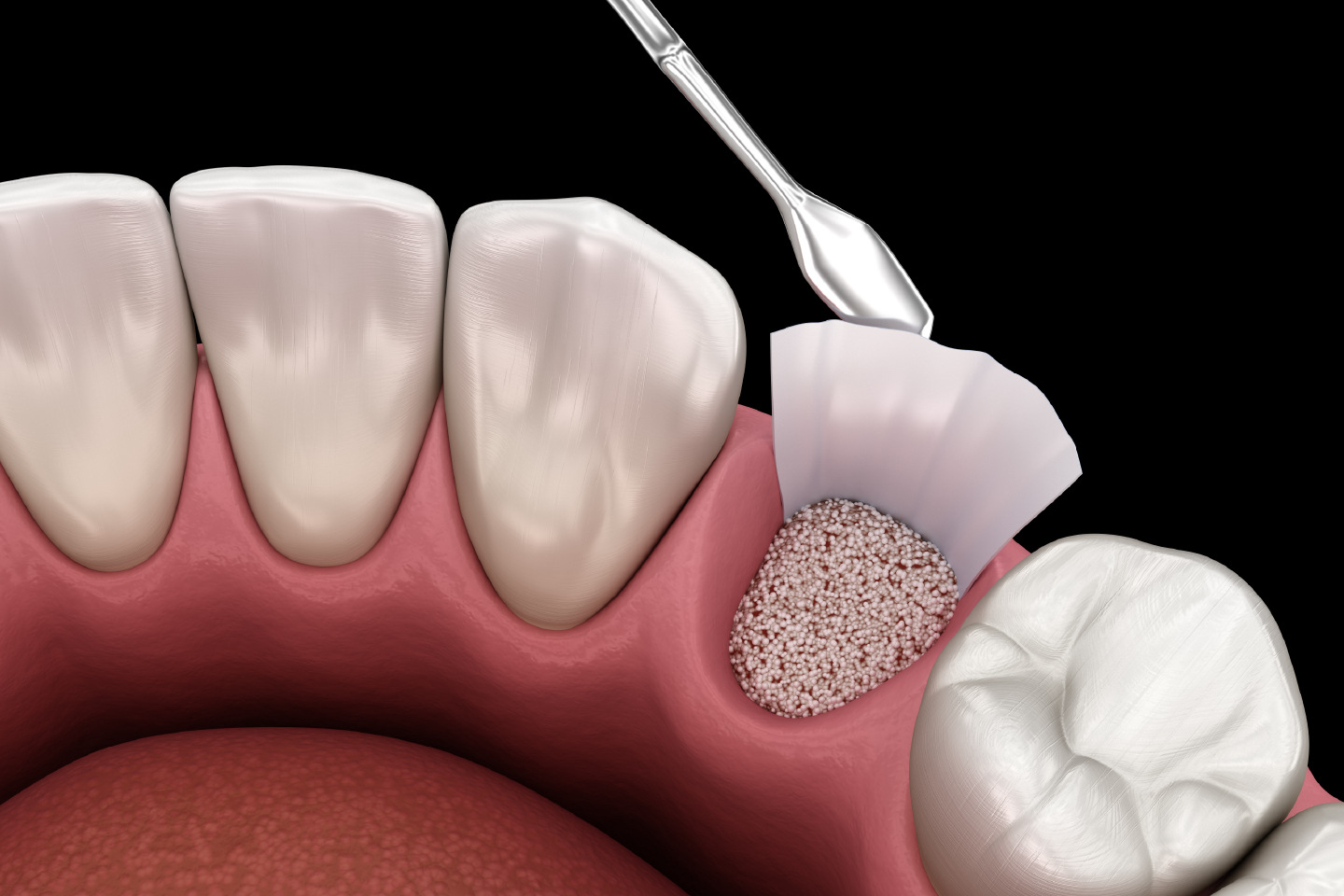
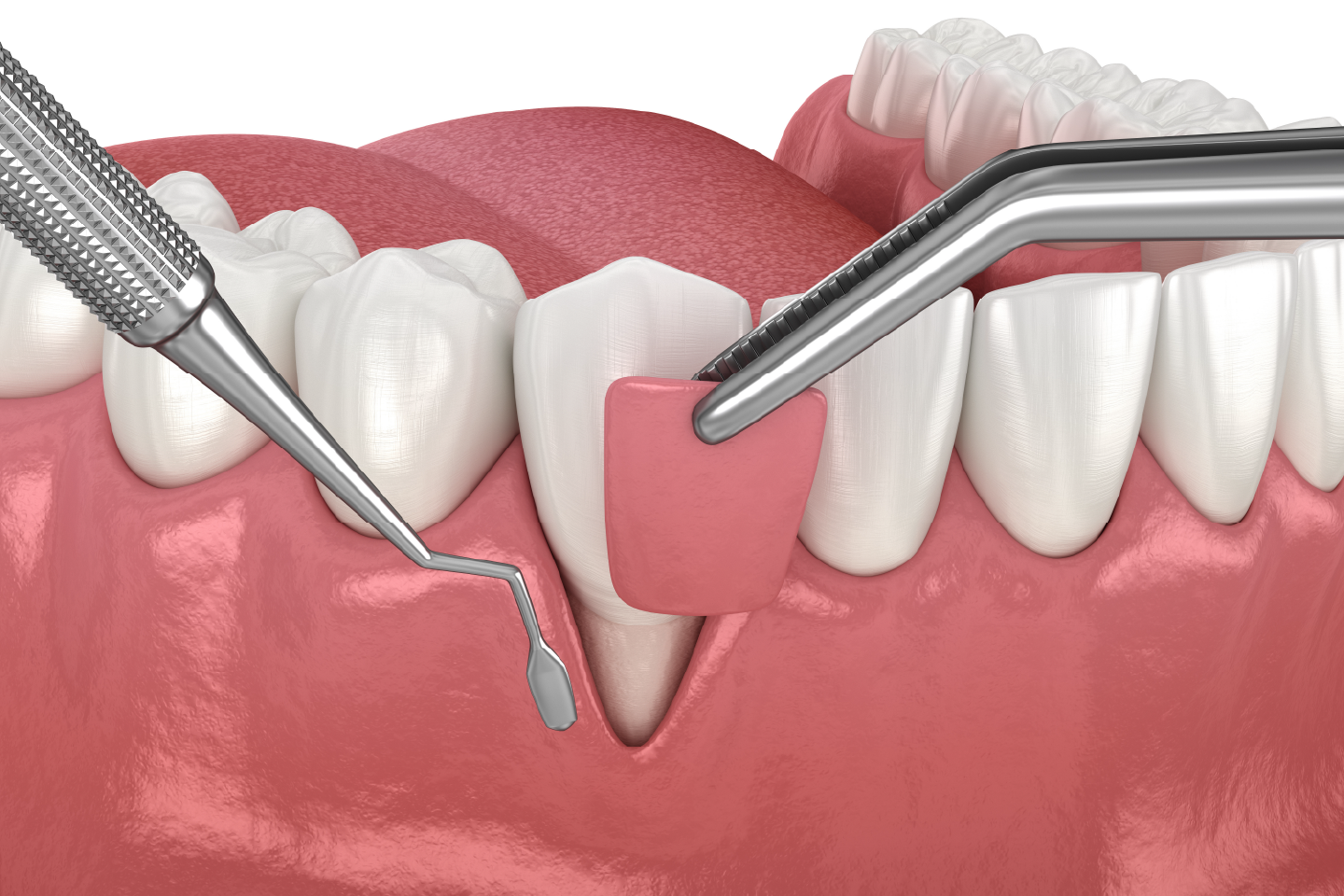
Root augmentation involves rebuilding or covering exposed tooth roots to improve gum attachment and reduce sensitivity. This procedure may use grafted tissue, either from the patient’s own mouth or from specially prepared donor material, to restore lost gum coverage around affected teeth.
In periodontitis, the gum and bone tissue that support the teeth are gradually destroyed. This process often leaves roots exposed and makes it difficult to maintain oral hygiene. Root augmentation addresses:
Before recommending root augmentation, a periodontal evaluation is carried out. This includes:
The procedure time depends on the number of teeth treated and the extent of gum recession.
After root augmentation, patients may experience mild swelling, tenderness, or sensitivity. Recovery typically involves:
Complete healing may take several weeks, and the success of the graft relies heavily on good oral hygiene and regular professional care.
Root augmentation provides several key benefits for patients affected by gum disease:
Although root augmentation is a safe and effective procedure, there are some considerations:
These risks are usually minor and can be managed with careful aftercare and regular check-ups.
Root augmentation is often part of a wider periodontal care plan. It may be combined with:
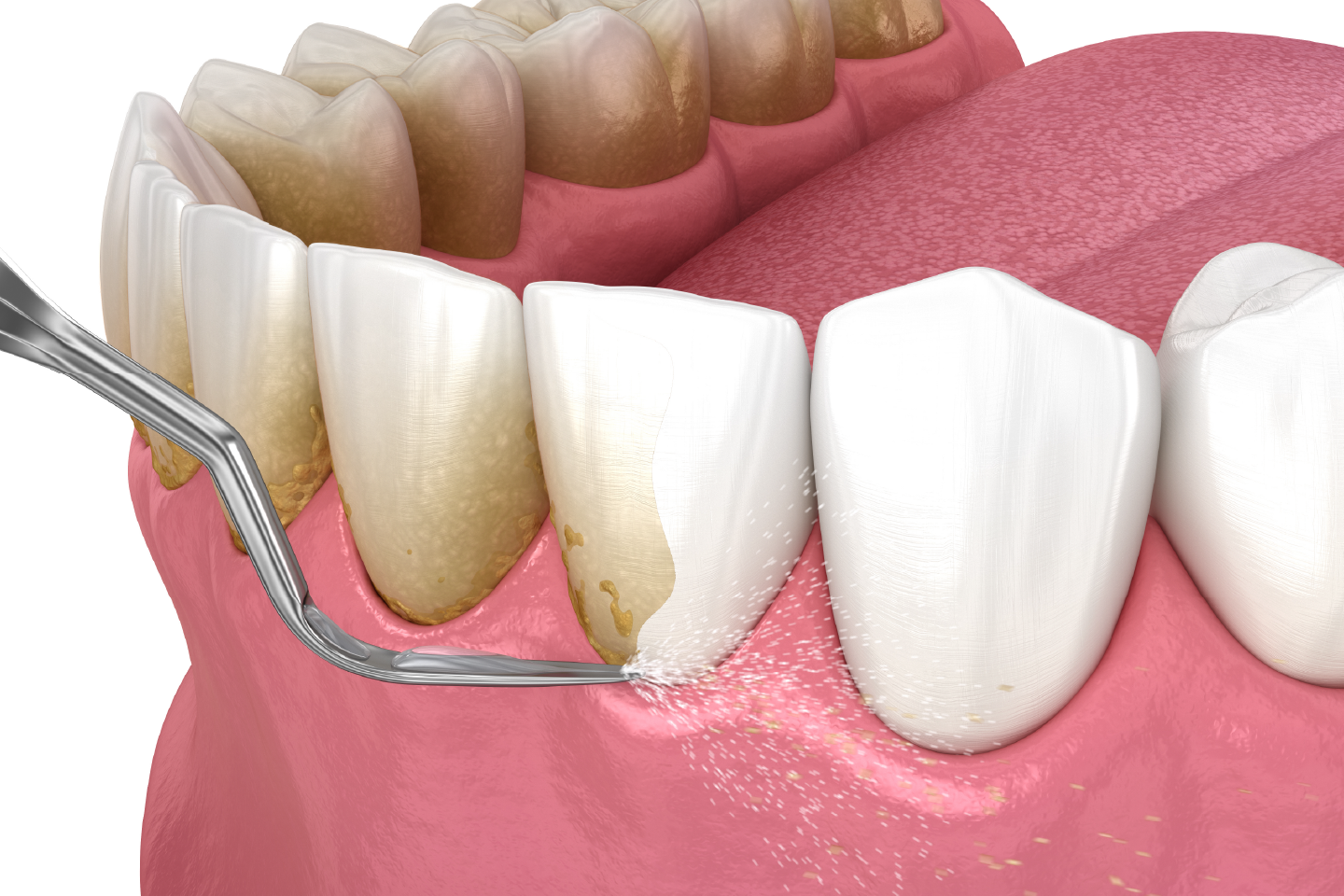
Before augmentation, scaling and root planing are usually carried out to remove bacteria and tartar from below the gum line.
In some cases, crown lengthening and root augmentation are performed together to reshape gum tissue while protecting exposed roots.
When gum disease has caused significant bone loss, root augmentation may be combined with bone grafting to restore both soft and hard tissue support.
The success of root augmentation depends on long-term care. Patients are advised to:
By following these steps, patients can help ensure the graft remains stable and continues to protect their teeth.
Root augmentation is an important periodontal treatment for patients affected by gum disease. Restoring tooth roots helps protect against decay, reduce sensitivity, and maintain tooth stability. Combined with other periodontal therapies, root augmentation contributes significantly to long-term gum health.
If you have gum recession or are concerned about exposed tooth roots linked to gum disease, book a consultation with Alpha Dental Group. Our dental team will carry out a full assessment and explain whether root augmentation could form part of your treatment plan.







.svg)


