


.svg)








Dental implants can replace missing teeth effectively, but their long-term success depends on healthy gums and bone. If you have current or previous gum disease (gingivitis or periodontitis), careful planning and, where needed, adjunctive periodontal procedures are essential before and after implant treatment.
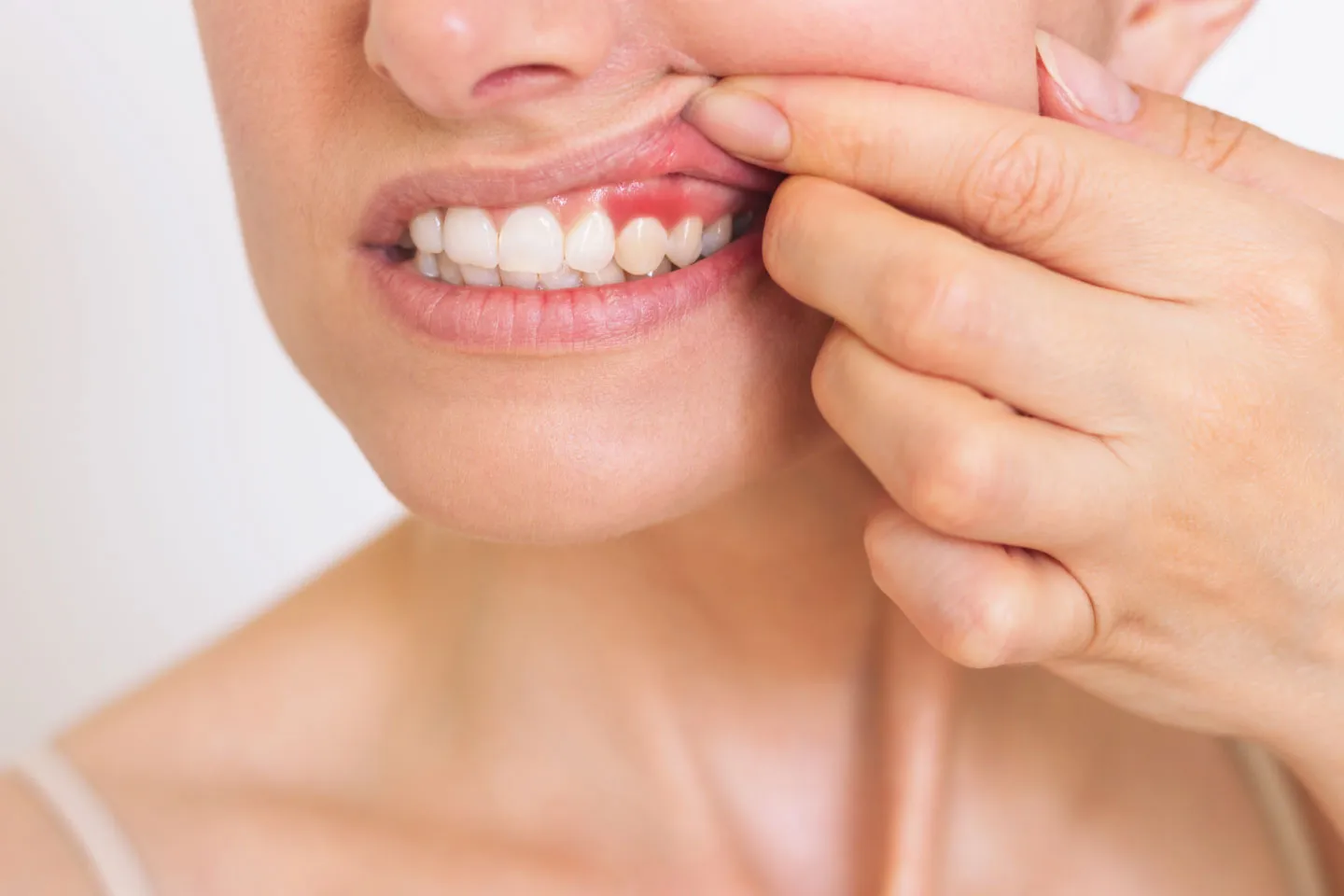
Gum disease is an inflammatory condition caused by dental plaque. In its advanced form (periodontitis), it leads to loss of the bone that supports teeth. Implants rely on bone and a healthy cuff of gum tissue for stability. Uncontrolled inflammation—around teeth or implants—raises the risk of complications such as peri-implant mucositis (gum inflammation around an implant) and peri-implantitis (inflammation with bone loss). Stabilising gum health first is therefore a prerequisite for predictable implant outcomes.
A periodontal assessment includes gum-pocket charting, bleeding scores, mobility checks, and radiographs to evaluate bone levels. Your medical history (e.g., diabetes control) and lifestyle factors (e.g., smoking) are considered because they influence healing and disease control.
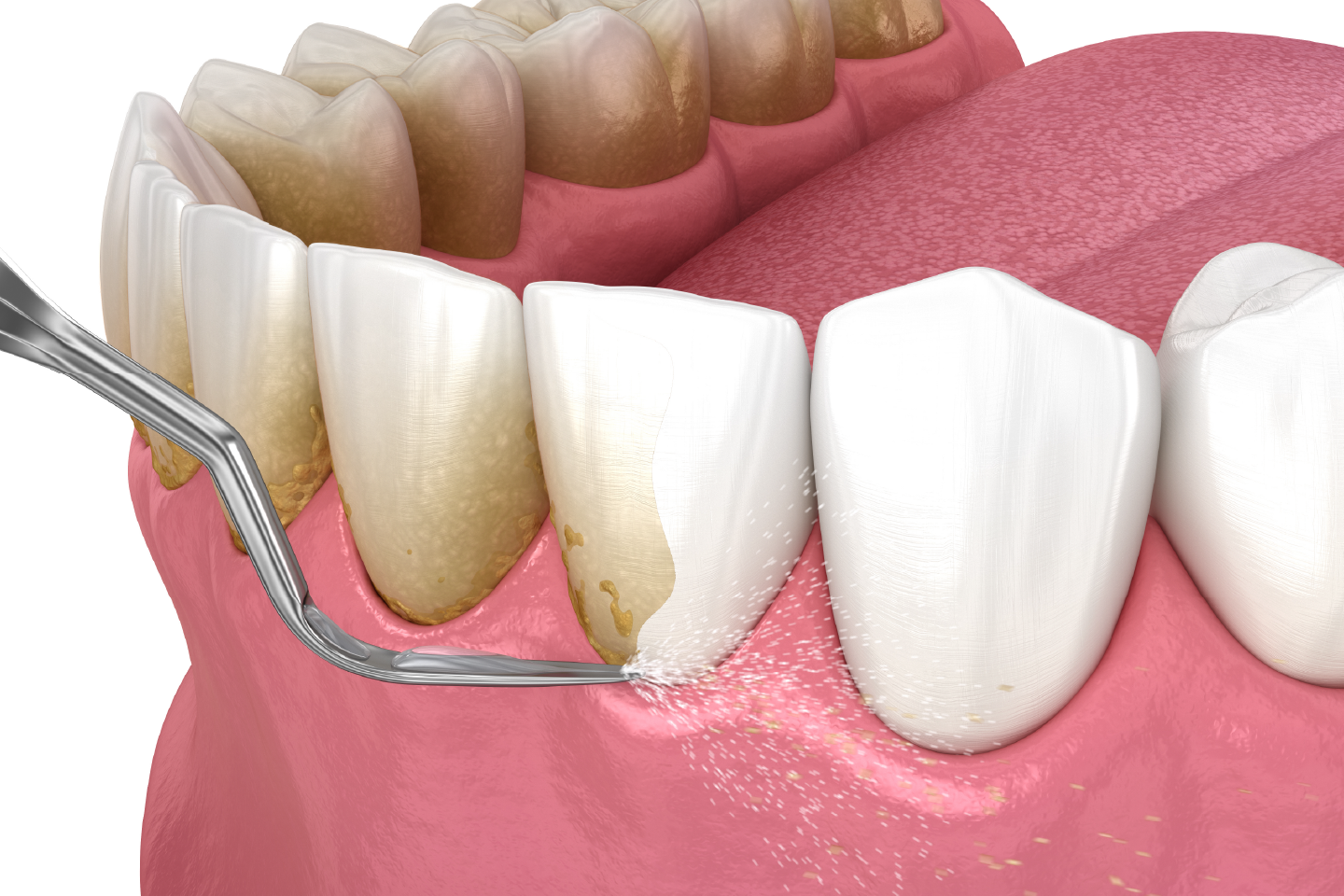
Non-surgical care—professional biofilm and tartar removal, root surface debridement, and personalised home-care instruction—aims to control bleeding and reduce pocket depths. Implants are not planned until inflammation is resolved or well-controlled.
Typical indicators for proceeding include low plaque and bleeding scores, improved pocket measurements, and commitment to supportive periodontal maintenance. Where bone volume is insufficient after tooth loss or previous periodontitis, augmentation may be advised.
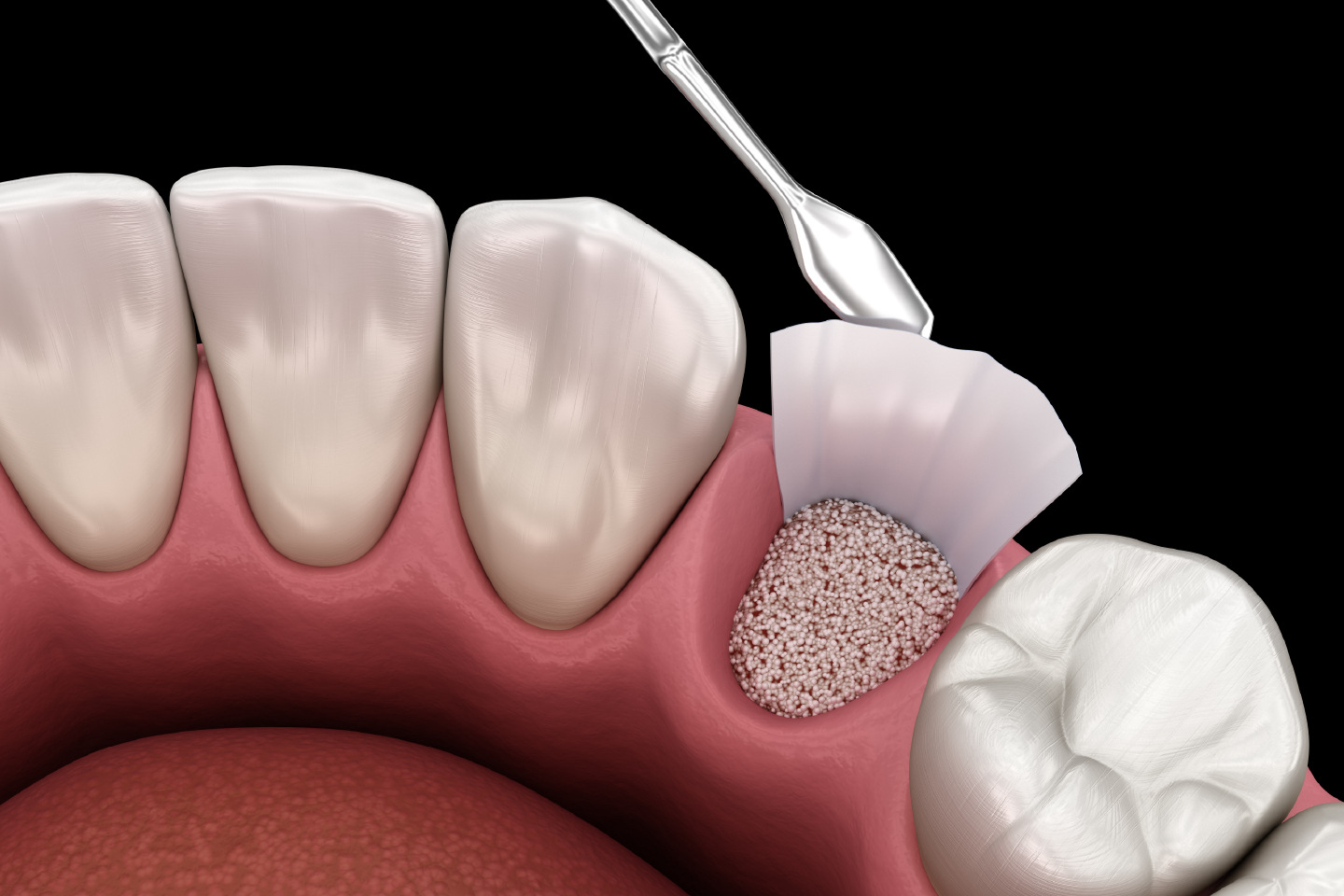
If the bone is thin or uneven due to past disease or tooth loss, guided bone regeneration may rebuild volume for implant stability. Biocompatible grafts and barrier membranes are placed to encourage the body to form new bone. This is frequently a staged step before implant placement; healing time is usually several months.
When bone height beneath the sinus is limited, a sinus lift creates space for graft material, improving support for implants. The choice between a lateral or crestal approach depends on available bone and planned implant position.
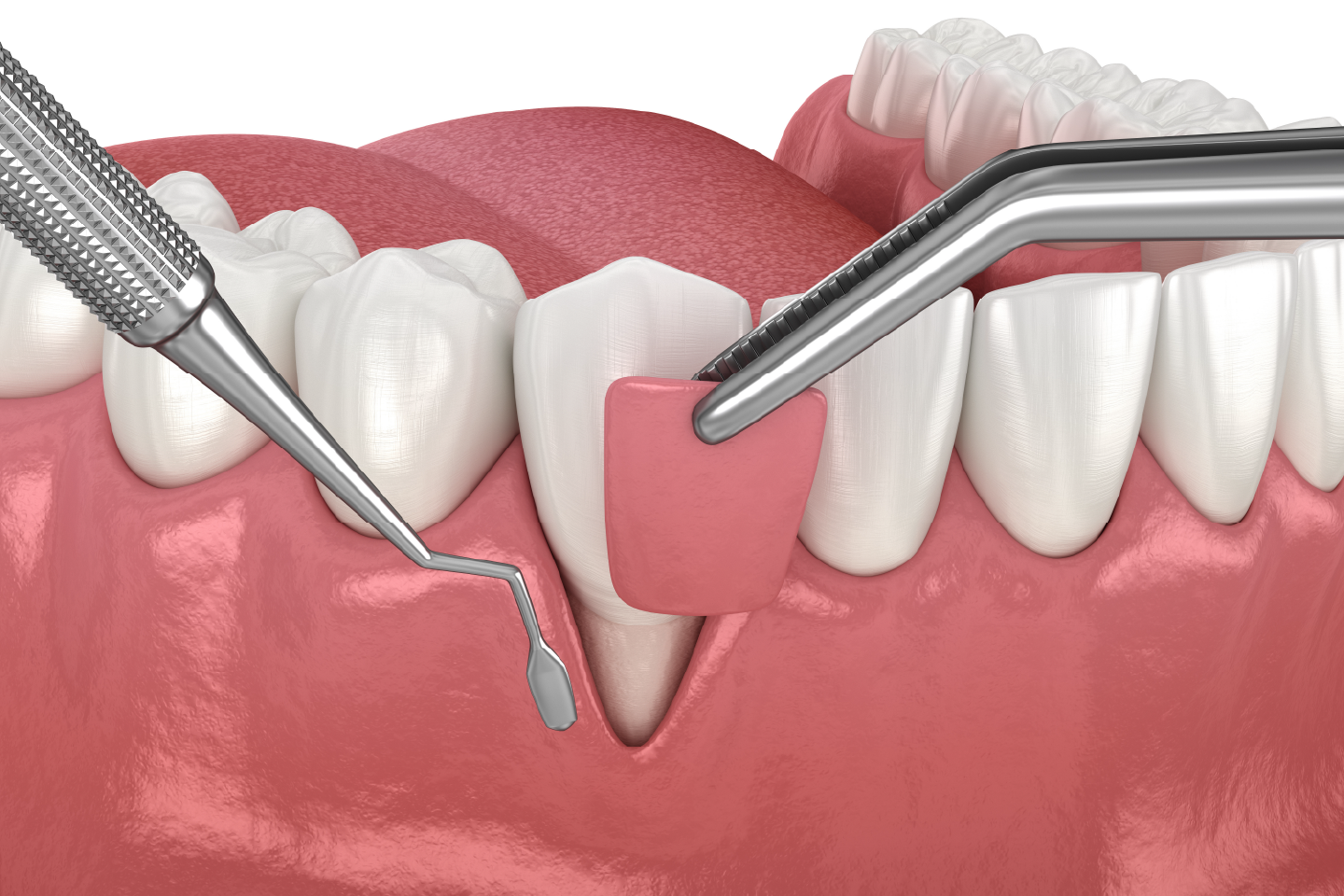
Thin or receded gums make plaque control harder and may reduce the tissue seal around implants. Connective-tissue grafts or alternative graft materials can increase gum thickness or correct recession, improving resilience and aesthetics around planned or existing implants.
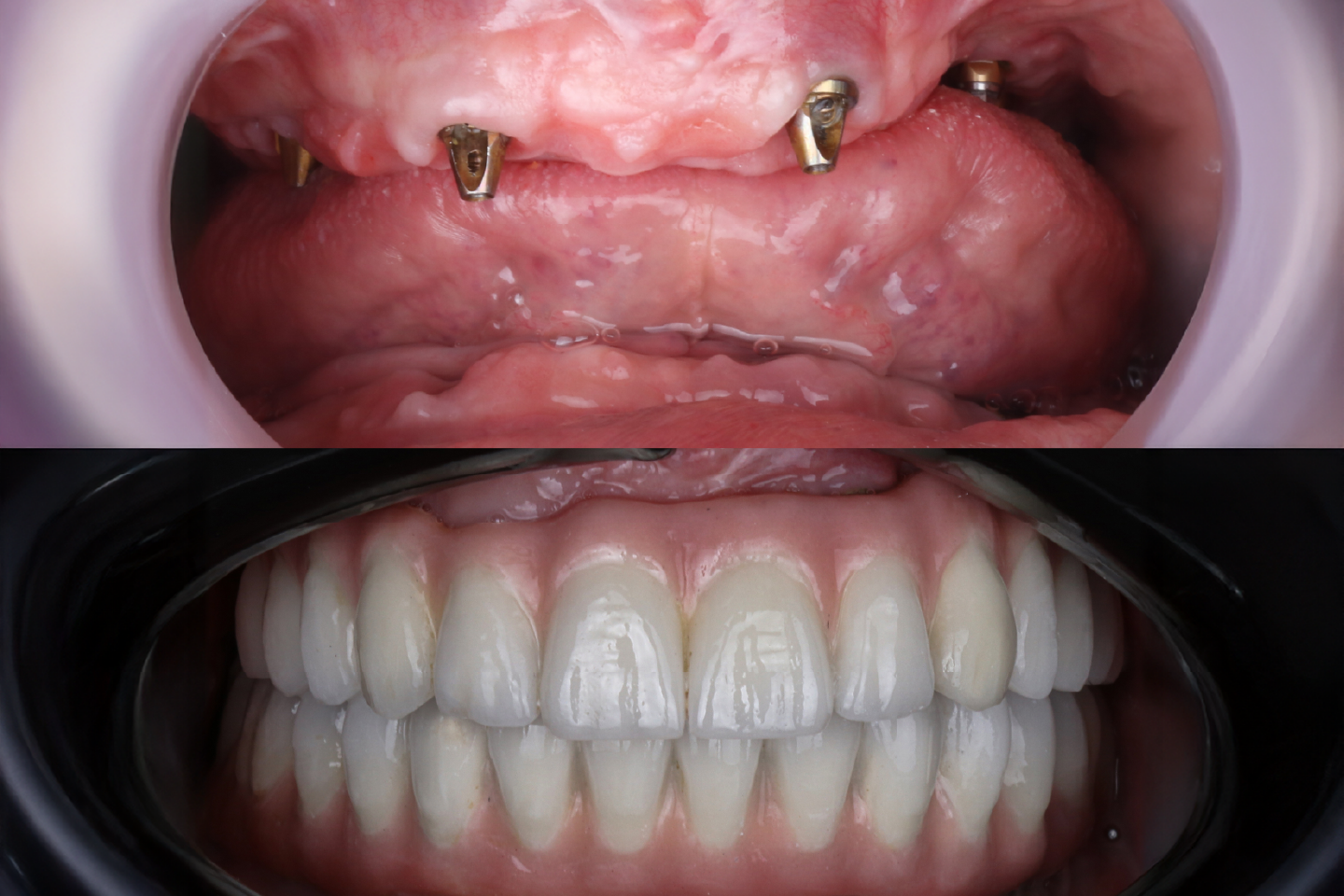
Implants are placed once tissues are healthy and any required augmentation has matured. Surgical planning uses radiographic guides or digital planning to position implants in bone with adequate surrounding tissue. A stable, cleansable emergence profile is prioritised to support daily plaque control—critical for patients with a history of gum disease.
Signs include redness, swelling, and bleeding on gentle probing without bone loss. Management is non-surgical: mechanical biofilm disruption around the implant, adjustment of home-care techniques (e.g., interdental brushes, super-floss, water-flossers), and targeted antimicrobial measures where appropriate. Early treatment is effective when home care is consistent.
This condition involves progressive loss of supporting bone. Treatment is staged:
Not every site is suitable for regeneration; some require resective contouring for cleansability, and in advanced cases, implant removal may be the safest option.
A personalised maintenance programme (often every 3–4 months initially) monitors bleeding, pocket depths, and bone levels, and includes professional cleaning adapted for implants. Review intervals may lengthen only when stability is demonstrated.
Daily plaque control is non-negotiable. Most patients benefit from:
Patients with significant past bone loss, multiple missing teeth in periodontal cases, thin gum biotype, or medications affecting bone metabolism may require additional assessments and staged care.
If you have gum disease or a history of it and are considering implants, or if you have discomfort or bleeding around an existing implant, book an assessment with Alpha Dental Group. We will stabilise gum health first, then outline any bone or soft tissue procedures needed, and plan implant care that prioritises long-term stability and straightforward daily cleaning.





.svg)


