


.svg)











Teeth are designed to withstand years of chewing, biting, and speaking, but they are not indestructible. Over time, dental conditions such as decay, fractures, wear, or large fillings can compromise the strength and integrity of a tooth. In some situations, restoring the tooth with a simple filling may not be sufficient. This is when a dental crown may be recommended.
A dental crown is a custom-made cap that covers the visible portion of a tooth. It helps restore the tooth’s function, shape, and appearance while also protecting it from further damage. At Alpha Dental, our dental team provides crowns as one of several restorative treatment options, always taking into consideration the individual needs of each patient.
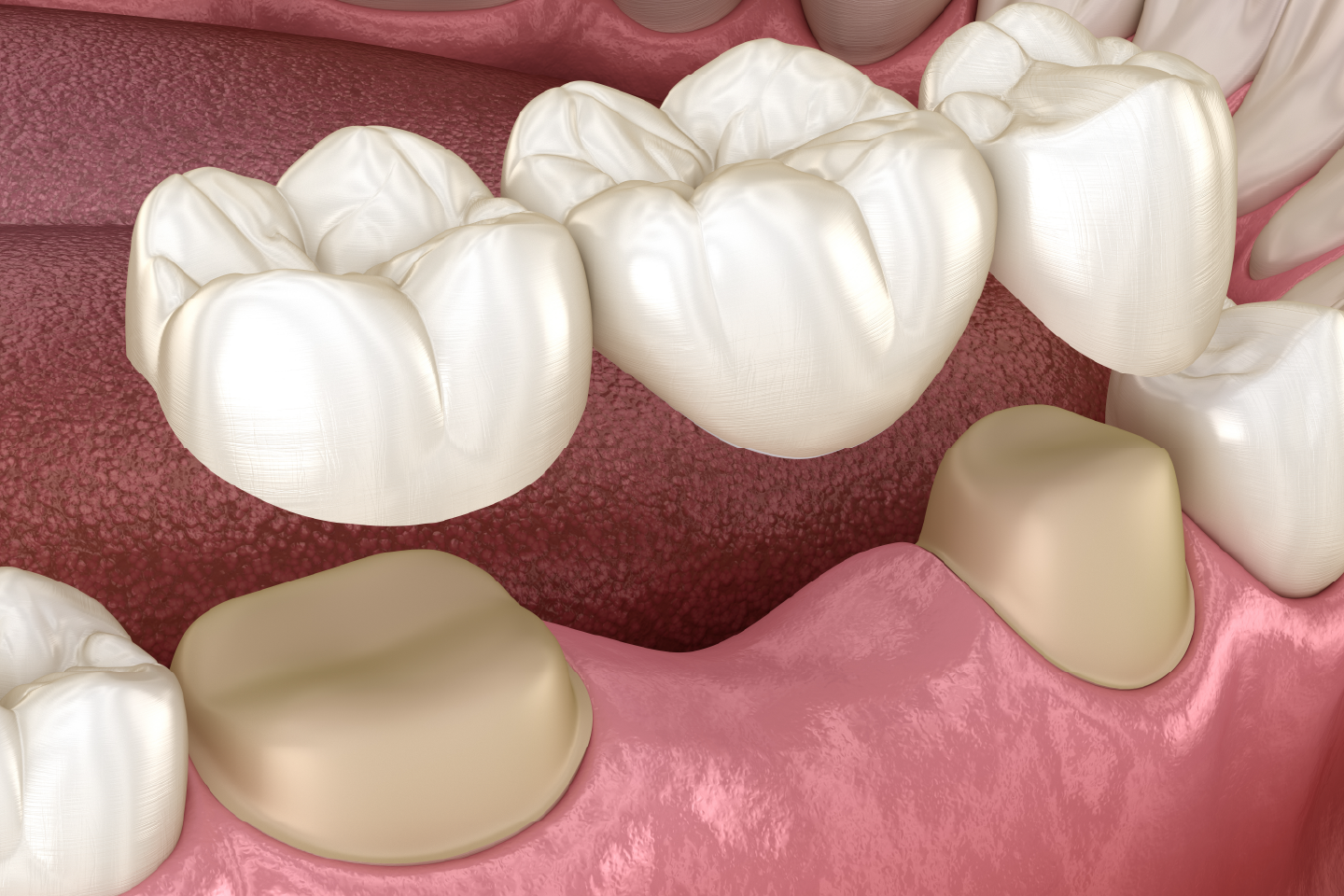
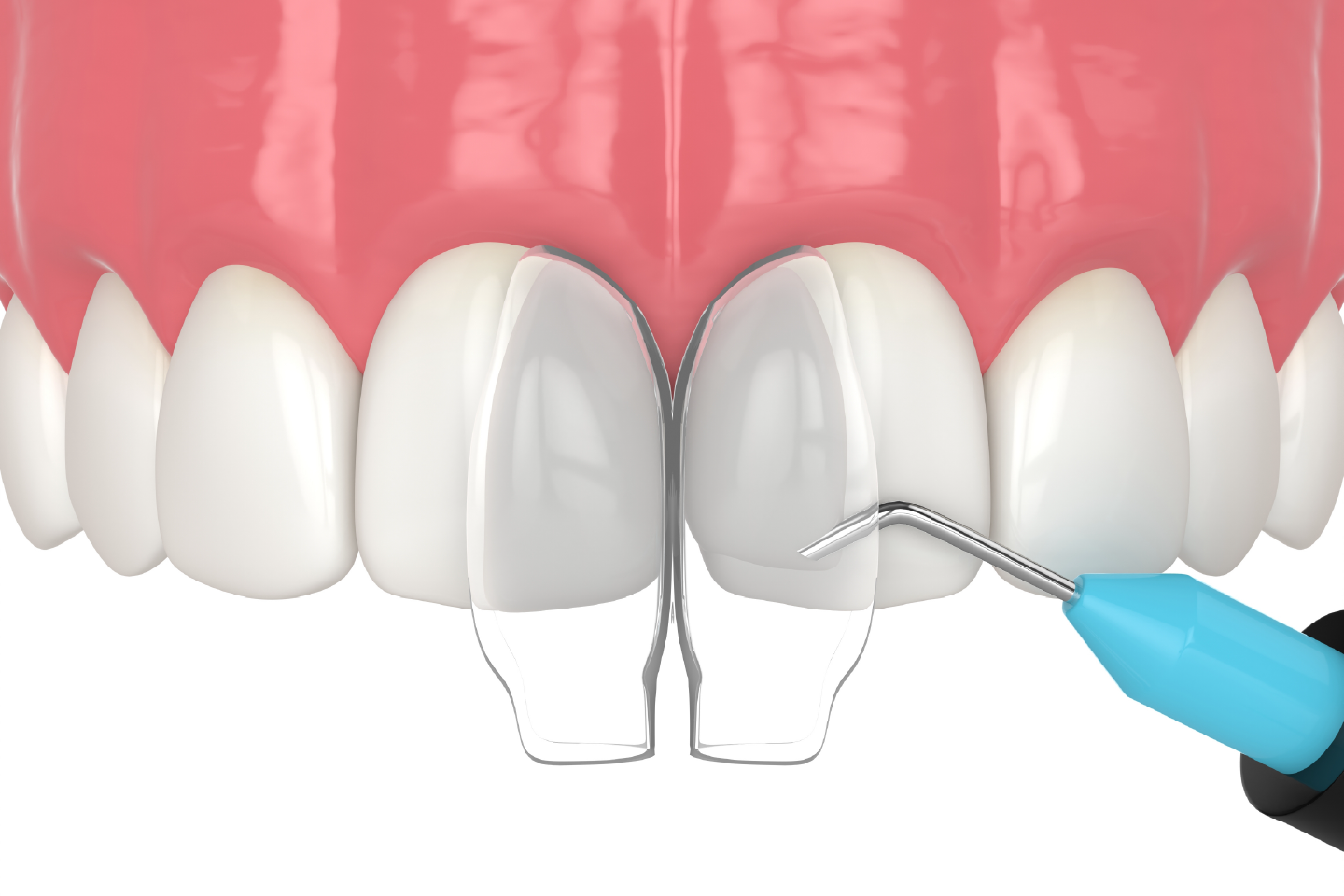
A dental crown is essentially a protective covering for a tooth. Unlike a filling that repairs only a portion of the tooth, a crown encases the entire tooth structure above the gum line. Once placed, it becomes a strong outer layer, allowing the tooth to function normally again.
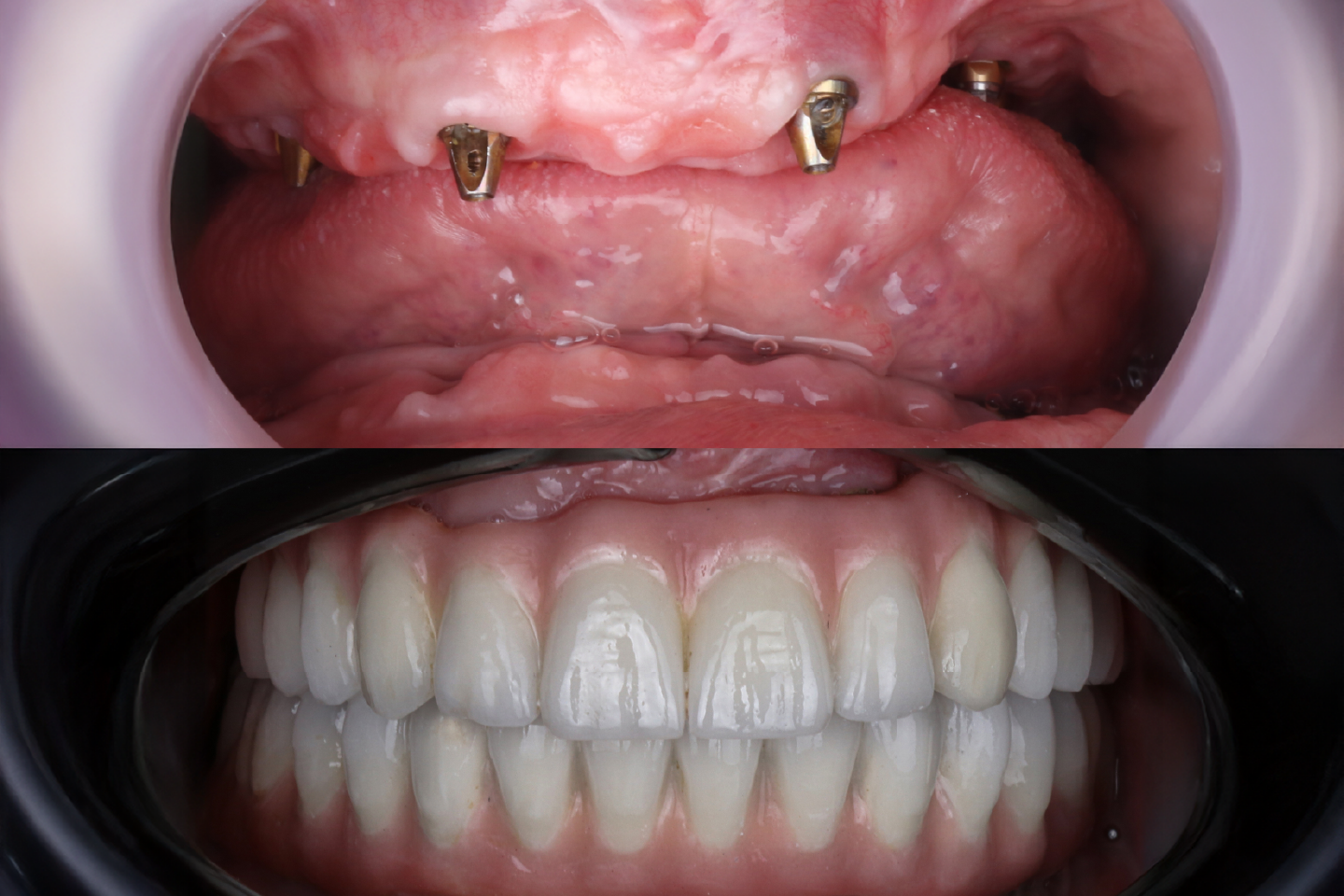
Crowns are used not only for restoring natural teeth but also as the visible portion of a dental implant or as anchors for dental bridges. Because of their versatility, crowns are a common part of comprehensive dental treatment.
Dental crowns may be recommended in a variety of clinical situations:
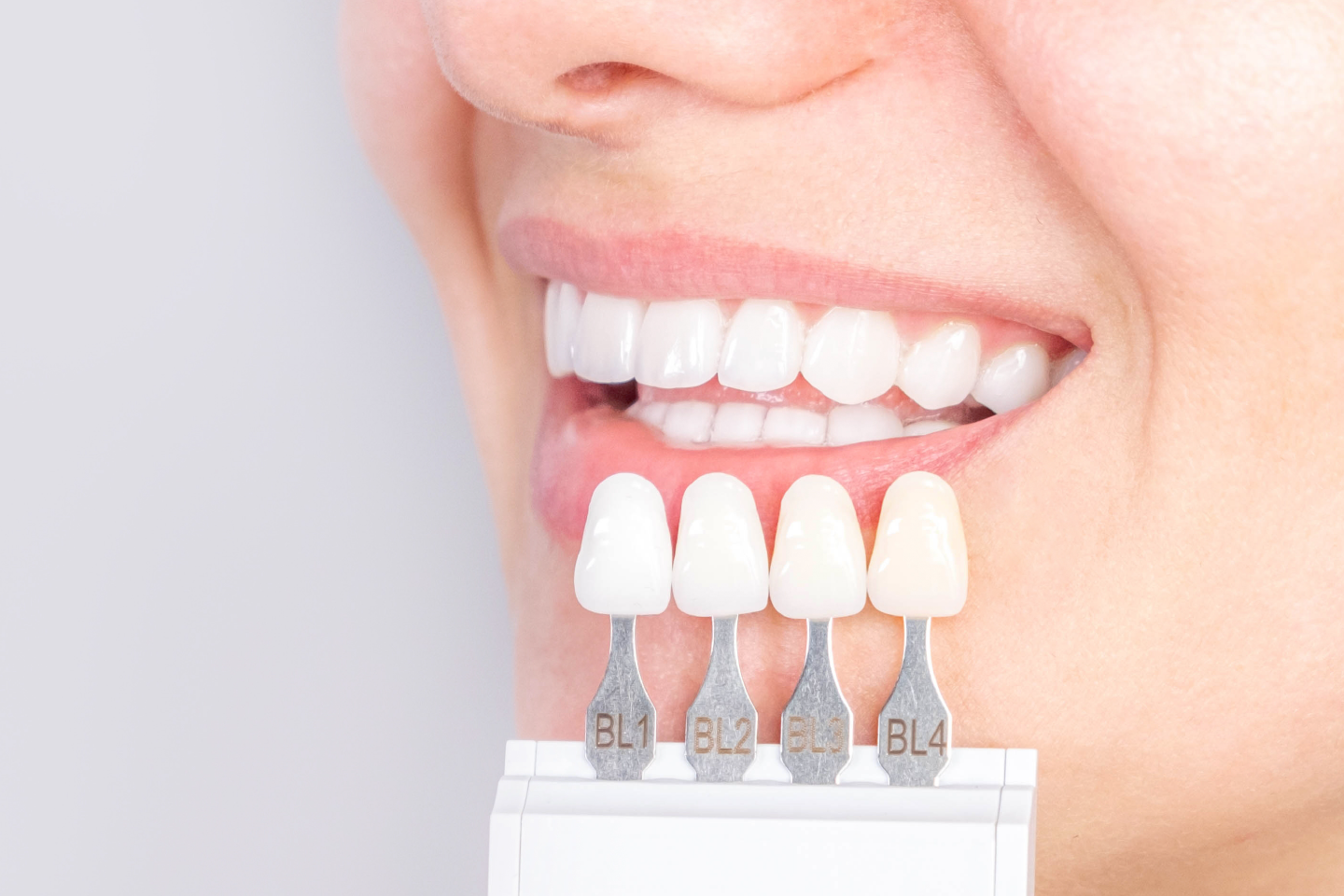
Crowns are made from different materials, each with unique properties. The choice of material depends on factors such as the location of the tooth, the patient’s bite, and aesthetic considerations.
Your dentist will explain the advantages and limitations of each type and recommend an option based on clinical suitability.
The process usually takes two or more visits, although newer technology may sometimes allow for same-day crowns. The typical steps include:
Initial Assessment: The dentist examines the tooth, reviews X-rays if required, and determines whether a crown is the most appropriate treatment.
Tooth Preparation: The tooth is reshaped to create adequate space for the crown. If significant tooth structure is missing, filling material may be used to build up the tooth first.
Impressions or Scans: A physical impression or digital scan is taken to capture the exact shape of the prepared tooth. This ensures the crown will fit precisely.
Temporary Crown Placement: While the permanent crown is being fabricated, a temporary crown is placed to protect the tooth.
Permanent Crown Placement: Once the custom-made crown is ready, the dentist checks its fit, alignment, and appearance. Adjustments are made if necessary before the crown is cemented permanently.
Like all dental procedures, crown placement carries some risks. These may include:
Your dentist will discuss these considerations and address any concerns before treatment begins.
Crowns can last many years if cared for properly. Good aftercare practices include:
It is advisable to see a dentist if you:
A dental crown may be one of the recommended solutions depending on your condition.
Dental crowns are a reliable option for restoring and protecting teeth that have been compromised by damage, decay, or wear. They not only improve function but also help maintain overall oral health. The choice of crown and the treatment plan will depend on each patient’s unique needs, as assessed by a dentist.
If you would like more information about dental crowns, you may contact Alpha Dental to arrange a consultation with our dental team.







.svg)


