


.svg)









Teeth can be affected by multiple conditions over time, including decay, wear, gum disease, injury, and bite imbalances. In some situations, these problems affect not just one or two teeth, but the entire dentition. When this occurs, a single procedure may not be enough to restore proper function, health, and aesthetics.
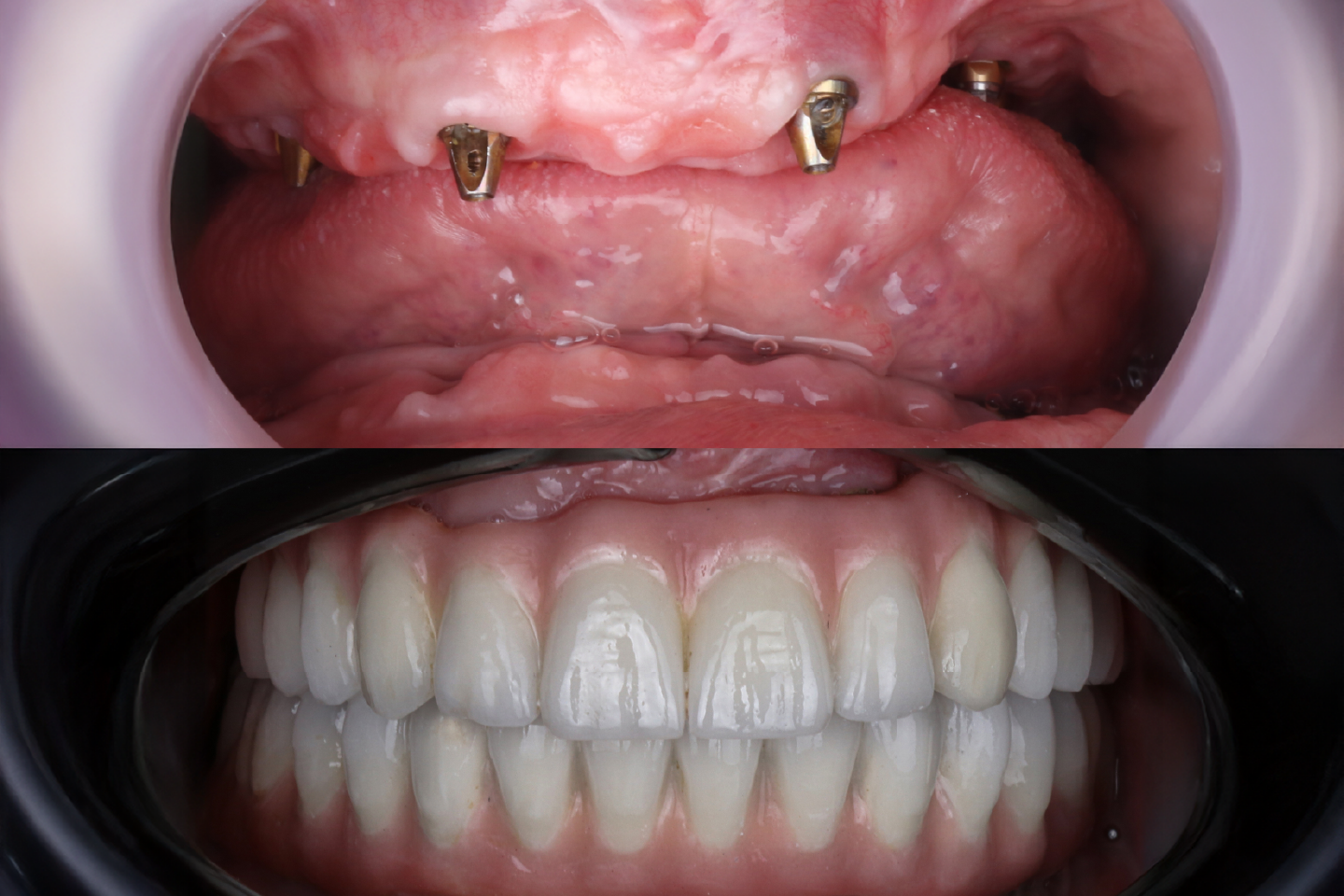
Full mouth rehabilitation (also known as full mouth reconstruction) is a treatment approach that combines different dental procedures to restore or replace most, if not all, of the teeth in the upper and lower jaws. At Alpha Dental, full mouth rehabilitation is considered when patients present with complex dental needs that require a comprehensive and coordinated plan.
Full mouth rehabilitation is not a single procedure but rather a customised treatment plan that involves a combination of restorative, prosthetic, and sometimes surgical interventions. The aim is to rebuild and restore the health, function, and appearance of the teeth and supporting structures.
It may involve treatments such as crowns, bridges, dental implants, veneers, periodontal therapy, and orthodontics, depending on the individual’s needs. Each rehabilitation plan is unique and designed after careful assessment of the patient’s oral health condition.
Dentists may recommend full mouth rehabilitation in the following situations:
Full mouth rehabilitation is generally considered when multiple aspects of oral health need to be addressed together.
Full mouth rehabilitation is a comprehensive dental approach that combines different restorative and corrective procedures to improve the health, function, and structure of the entire mouth. Since every patient’s needs differ, the process is tailored according to individual oral conditions, treatment goals, and overall health considerations.
A typical full mouth rehabilitation may involve several phases:
The process begins with a detailed evaluation of the teeth, gums, bite, and jaw joints. Diagnostic tools such as X-rays, intraoral photographs, and digital scans may be used to create a complete picture of oral health. This step allows the dentist to identify existing dental concerns, such as worn teeth, missing teeth, bite misalignment, gum disease, or jaw discomfort.
Based on the assessment, a structured treatment plan is designed. This plan outlines the recommended procedures, the sequence in which they should be carried out, and the expected duration of treatment. Patients are informed about their options, along with the potential benefits and limitations of each procedure.
If gum disease or bone loss is present, these conditions are usually addressed first. Healthy gums and strong bone support are essential foundations for any restorative procedure. Treatments may include scaling and root planing or other periodontal therapies to stabilise gum health before moving forward.
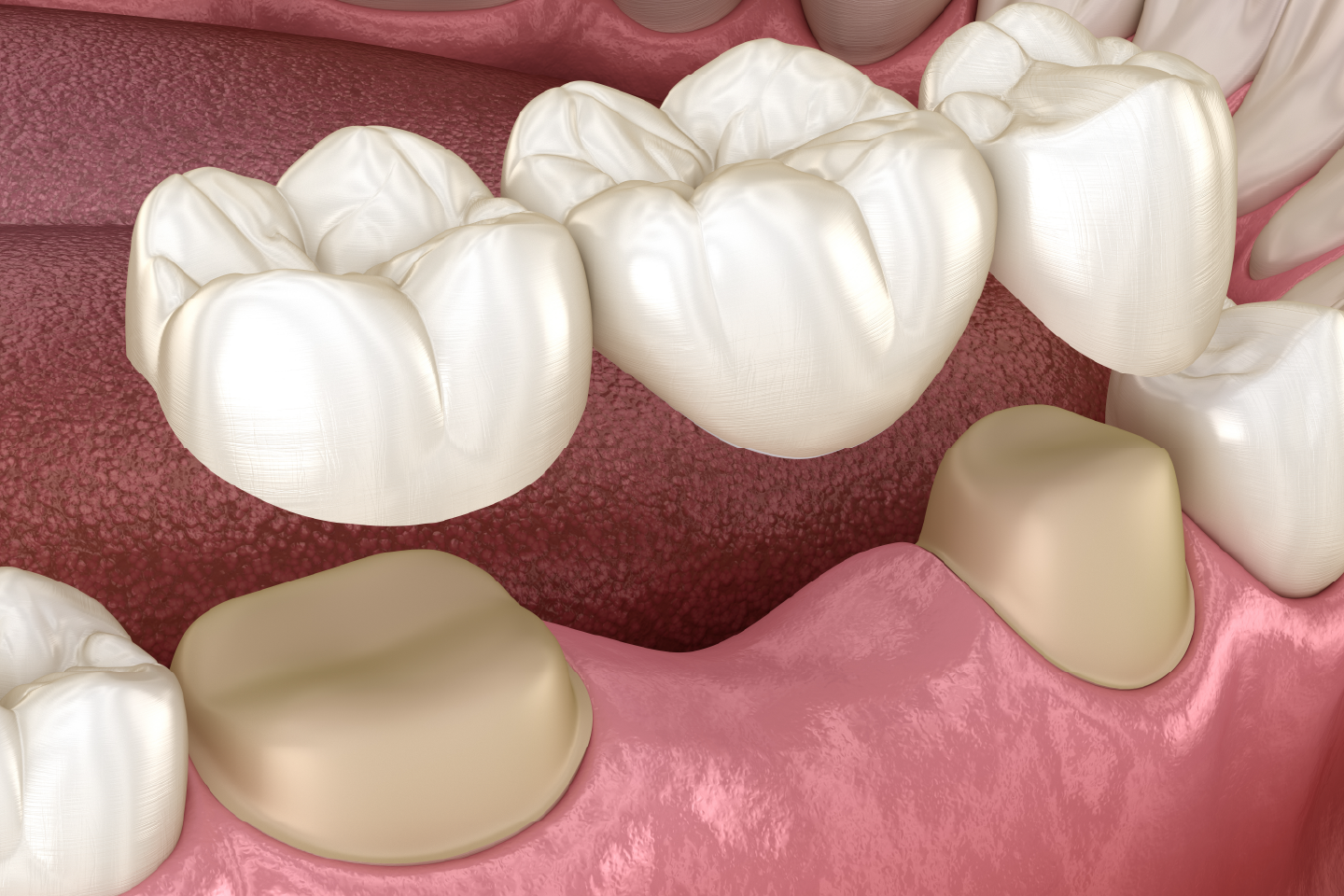
Once the foundation is stabilised, restorative treatments are performed to rebuild damaged or missing teeth. Depending on the case, this may include:
Proper bite alignment is critical to prevent uneven pressure on teeth and jaw joints. Adjustments may be made to ensure a balanced bite that promotes long-term comfort and function.
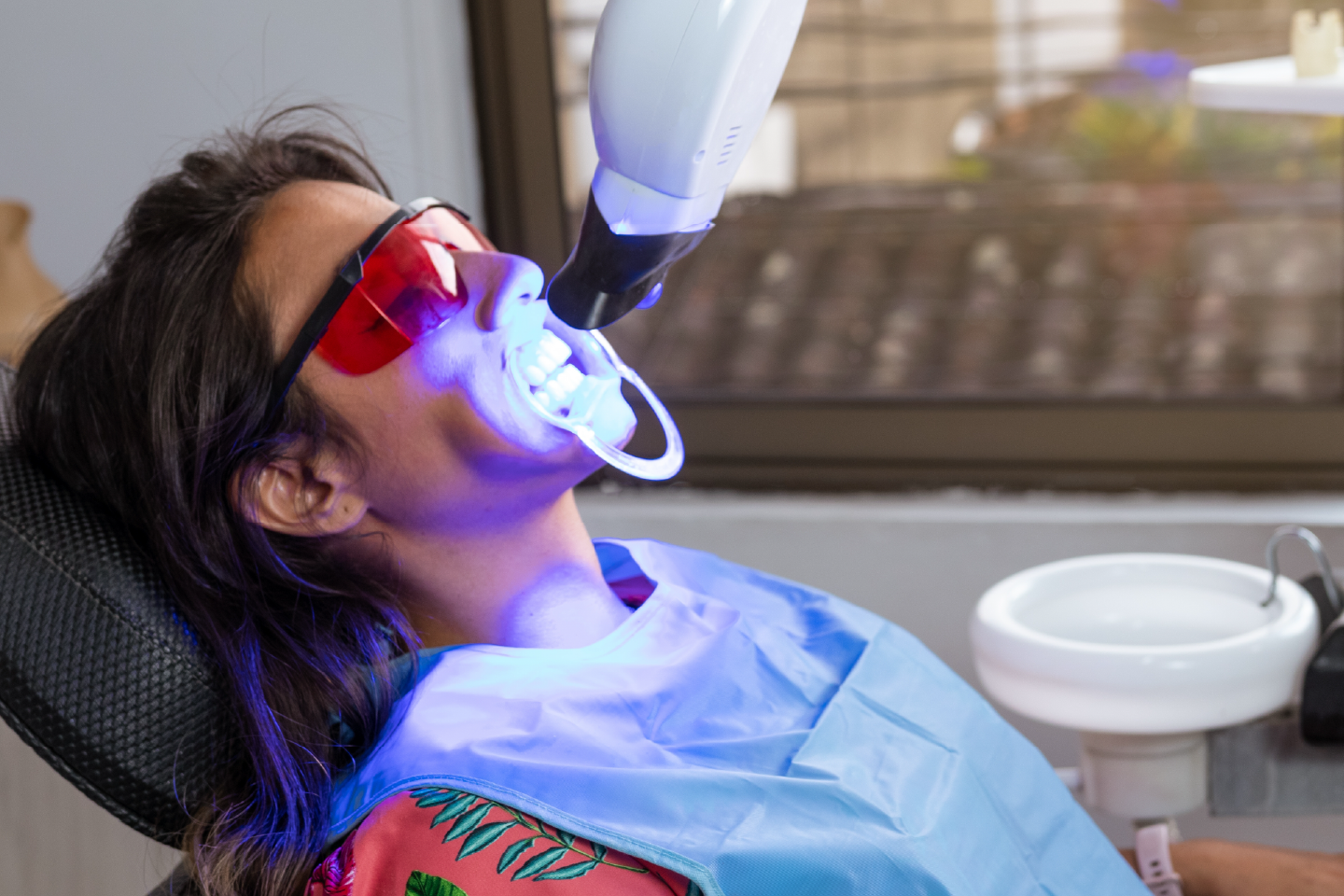
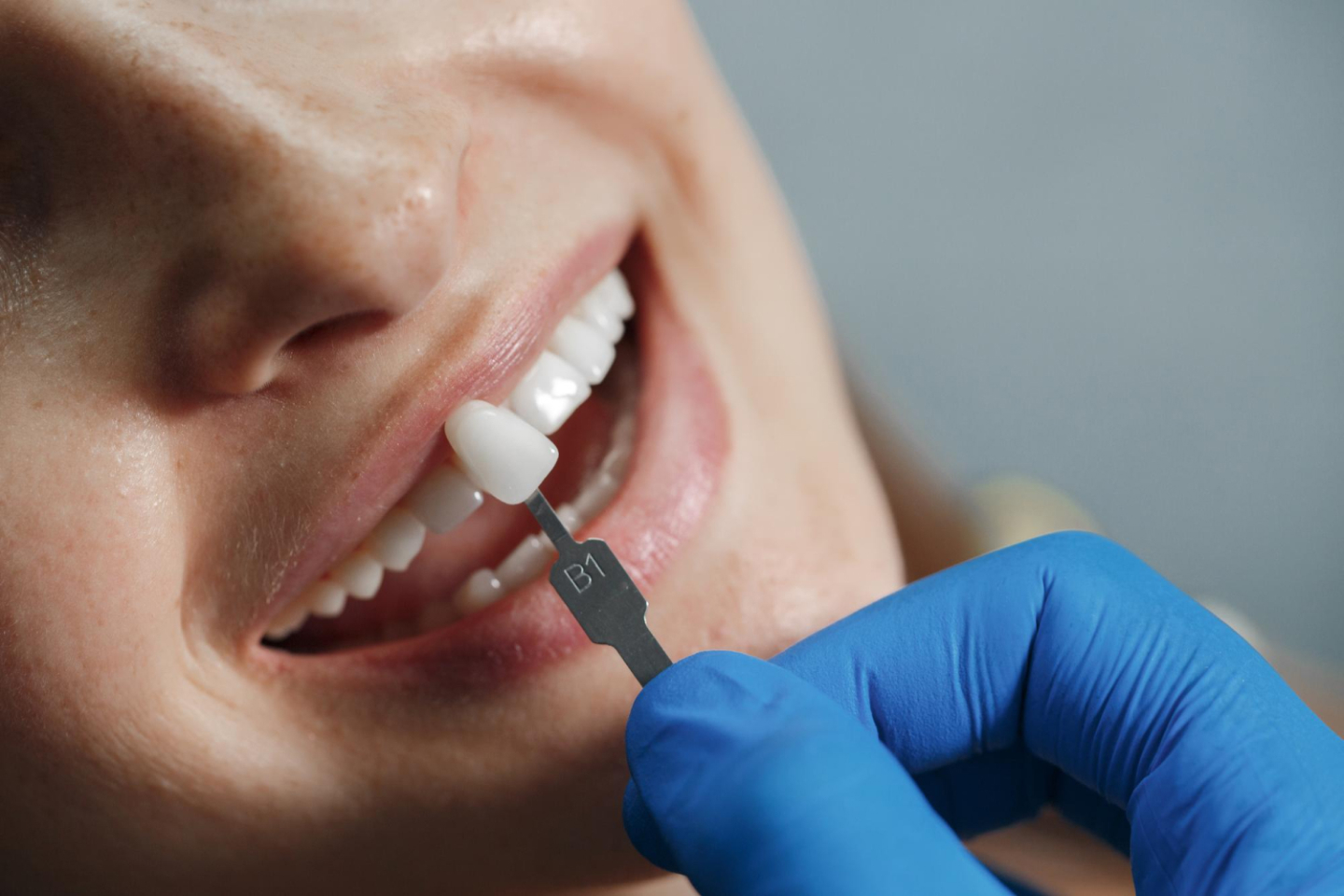
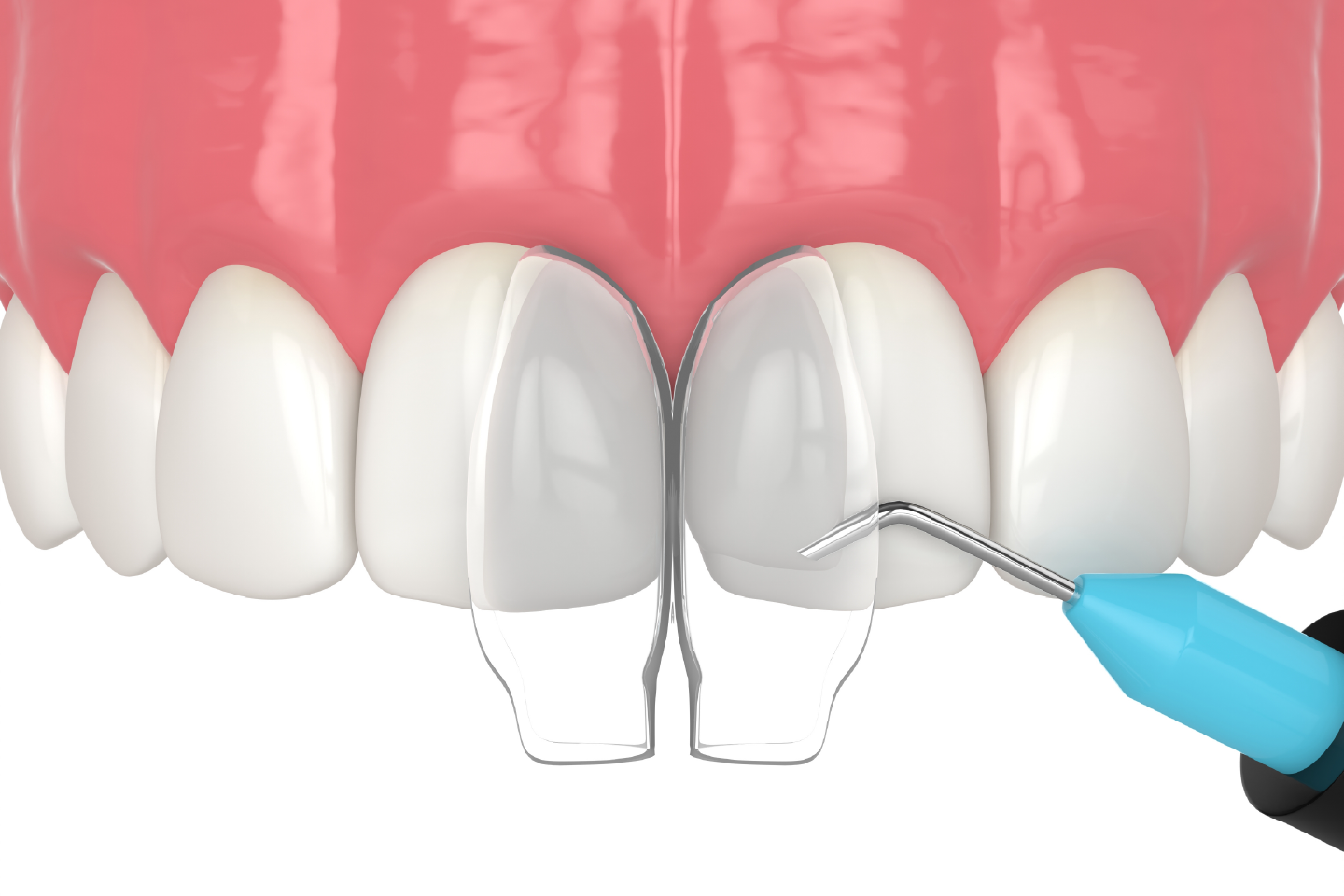
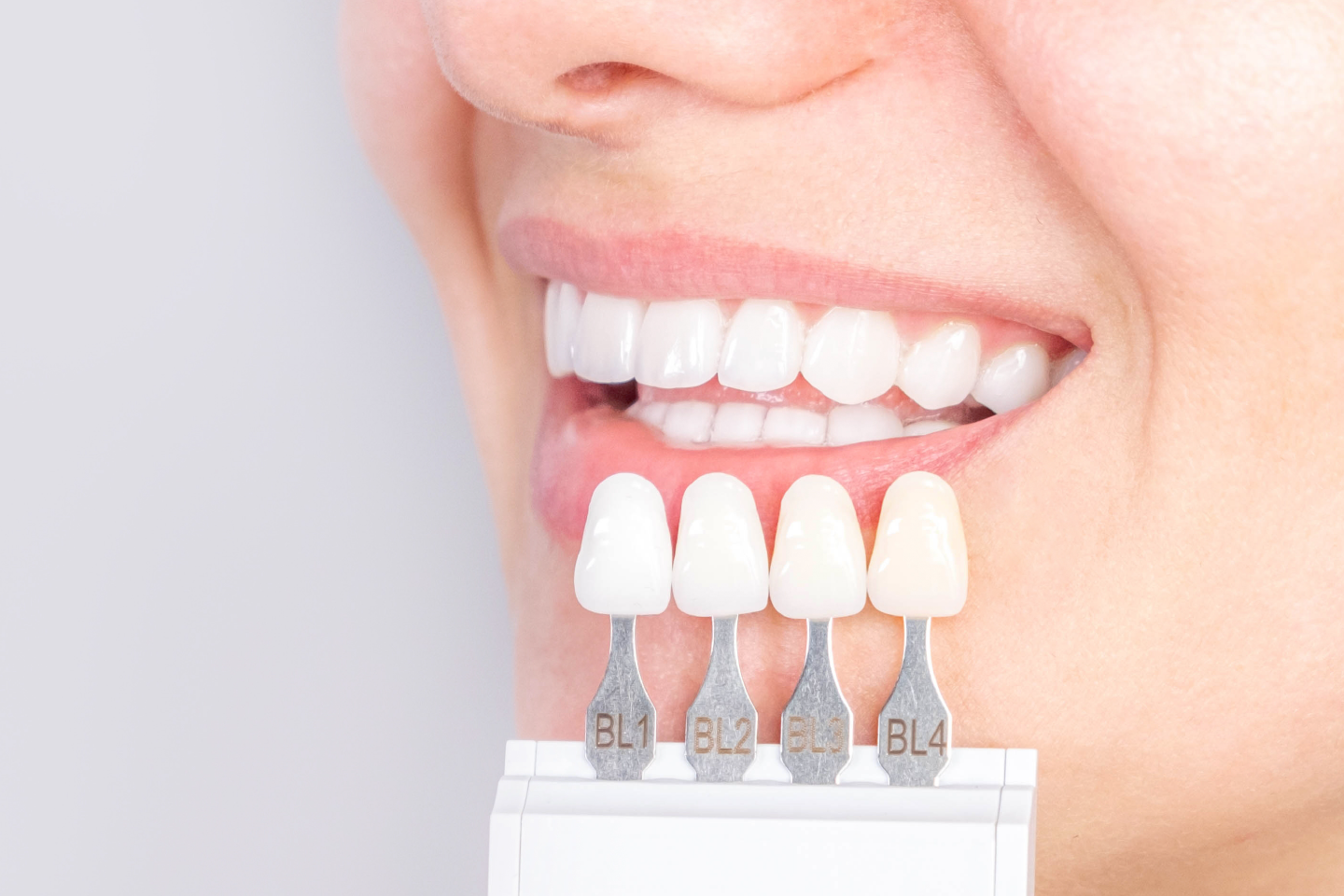
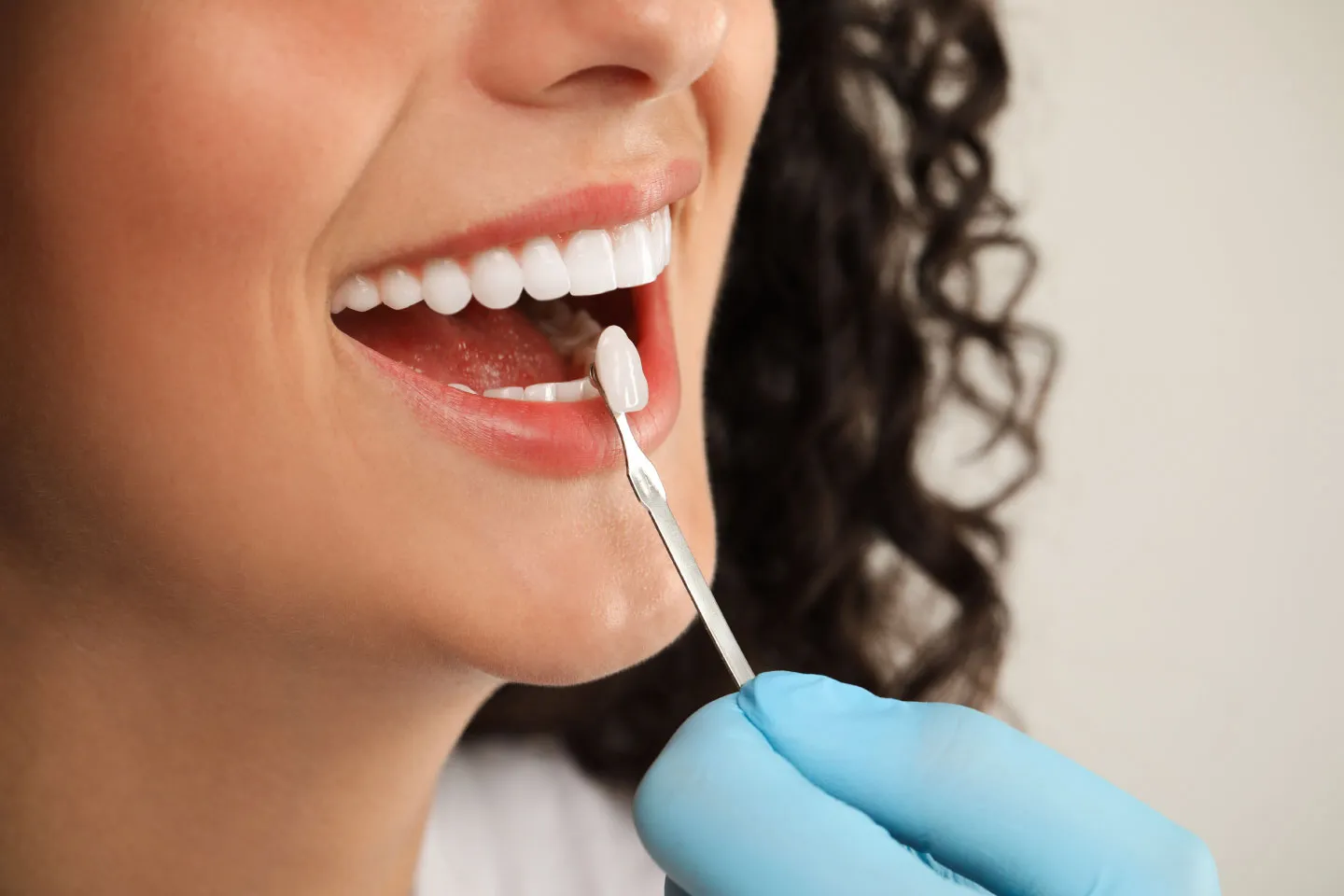
In some cases, cosmetic procedures may also be included. These may involve veneers or tooth-coloured restorations to achieve a more natural appearance in addition to functional improvement.
For patients with temporomandibular joint (TMJ) concerns or bite-related discomfort, therapies may be incorporated into the plan to address muscle strain or joint stress.
Full mouth rehabilitation does not end with the completion of treatments. Regular follow-up appointments are essential to monitor progress, check the condition of restorations, and ensure that the gums, teeth, and bite remain stable over time. Maintenance visits, including professional cleanings and reviews, support long-term results.
Like any extensive dental treatment, full mouth rehabilitation carries potential risks:
A thorough consultation and treatment planning process helps to minimise risks and set realistic expectations.
Full mouth rehabilitation is not the end of treatment but the beginning of long-term oral health maintenance. Aftercare typically includes:
With proper care, the results of full mouth rehabilitation can be maintained for many years.
It may be worth consulting a dentist about full mouth rehabilitation if you:
A dentist will conduct a thorough assessment and determine whether full mouth rehabilitation is the right option, or if other treatments may be more suitable.
Full mouth rehabilitation is a comprehensive approach to addressing multiple dental issues at once. By combining restorative, prosthetic, and sometimes orthodontic or surgical treatments, it aims to rebuild the health, function, and appearance of the teeth and supporting structures.
The treatment plan is carefully customised for each patient based on their individual needs and oral health condition. While it may involve several steps and procedures, it can provide long-term improvements in dental function and stability.
If you would like more information about full mouth rehabilitation, you may contact Alpha Dental to arrange a consultation with our dental team.





.svg)


