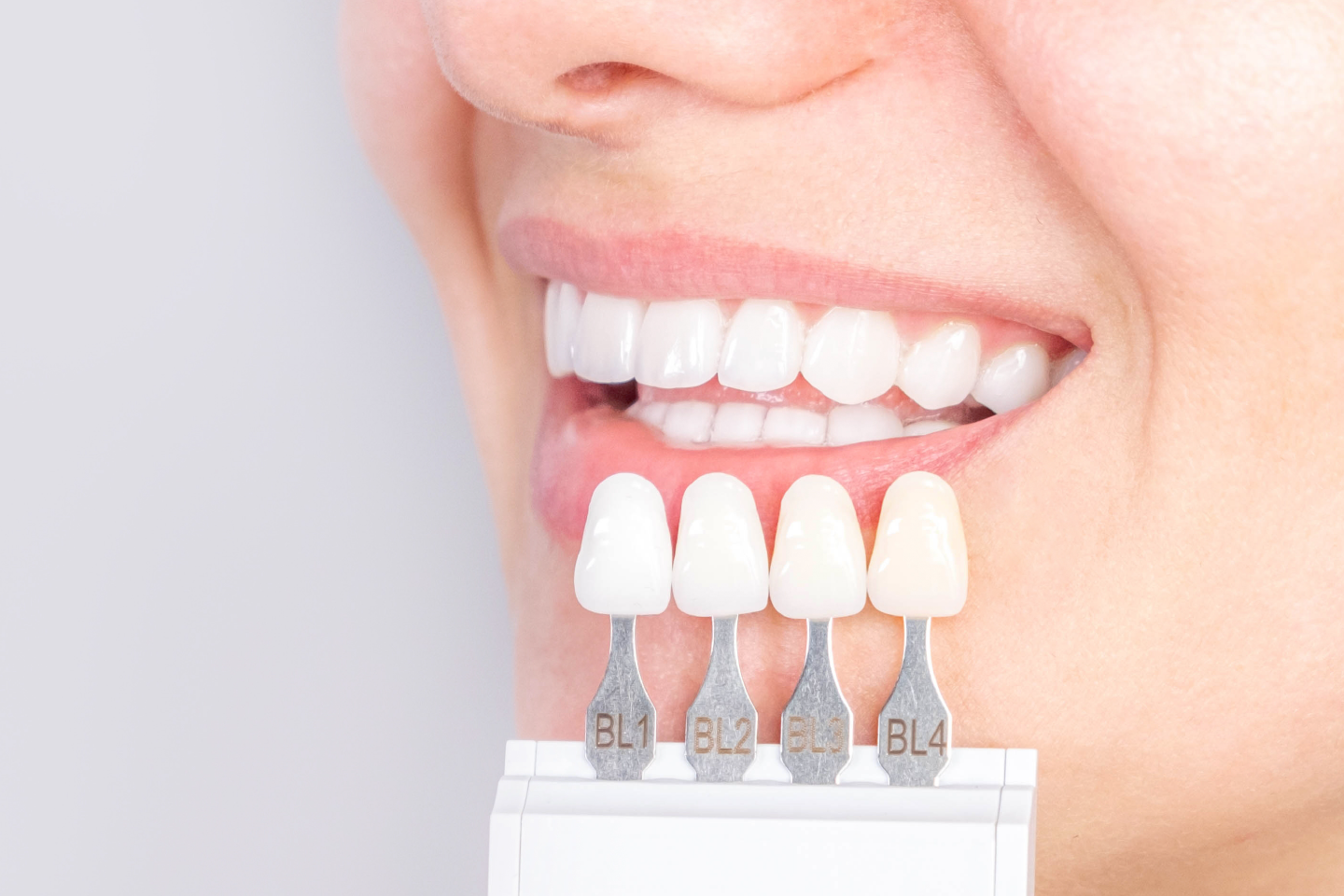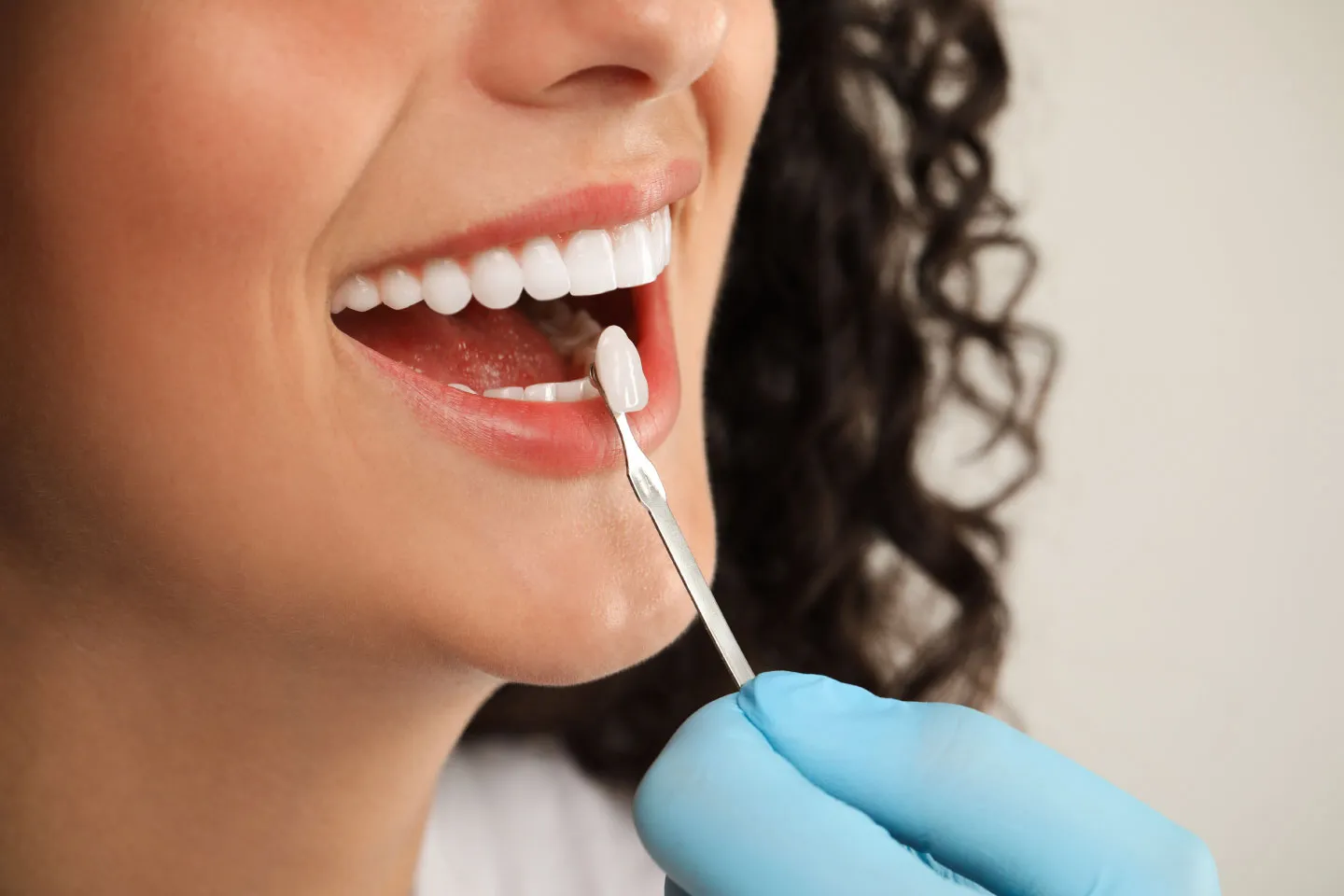


Maintaining a bright smile can be important for overall appearance and confidence. Over time, natural teeth may appear discoloured or stained due to a variety of lifestyle and biological factors. At Alpha Dental, we provide in-house whitening as a treatment option for patients seeking to address tooth discolouration under professional supervision.
Understanding Tooth Discolouration
Tooth colour changes are common and can occur gradually. Some of the typical causes include:
Dietary habits: Consumption of coffee, tea, red wine, or deeply pigmented foods can stain enamel.
Tobacco use: Cigarette smoking or chewing tobacco often results in yellowing or brownish stains.
Aging: As enamel naturally thins with age, the yellow dentin beneath becomes more visible.
Certain medications: Some antibiotics and medical treatments may cause intrinsic staining.
Poor oral hygiene: Inadequate brushing and flossing can allow plaque and tartar buildup, contributing to discolouration.
While daily oral hygiene can slow this process, it may not fully reverse existing stains. This is where whitening procedures can play a role.
What Is In-House Whitening?
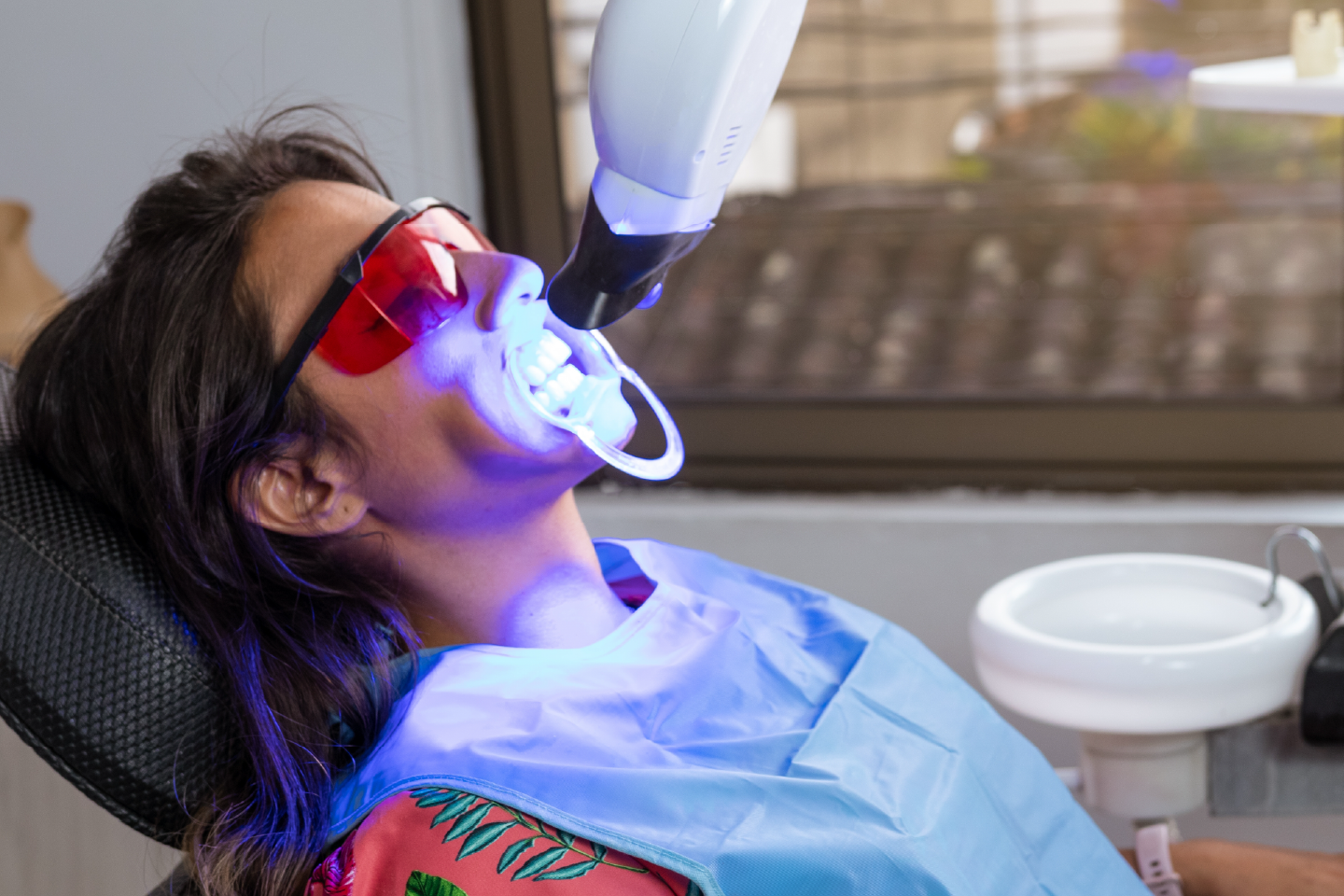
In-house whitening, sometimes referred to as chairside or professional whitening, is a dental procedure performed within the clinic. It involves the application of a bleaching agent to the teeth, carefully monitored by a dental professional.
Unlike over-the-counter products, in-house whitening uses materials that are only available in a clinical setting. This ensures both the safety and effectiveness of the treatment, as the process is overseen throughout.
The Whitening Process
The in-house whitening procedure usually follows a series of structured steps:
Initial Examination: Before beginning, a dental professional conducts an oral examination. This ensures there are no untreated cavities, gum disease, or other oral health concerns that need to be addressed first. Whitening may not be suitable for everyone, particularly if there are underlying dental issues.
Cleaning and Preparation: Teeth are usually cleaned to remove any plaque and surface debris. The gums, lips, and other soft tissues are protected using a barrier material to prevent direct contact with the whitening gel.
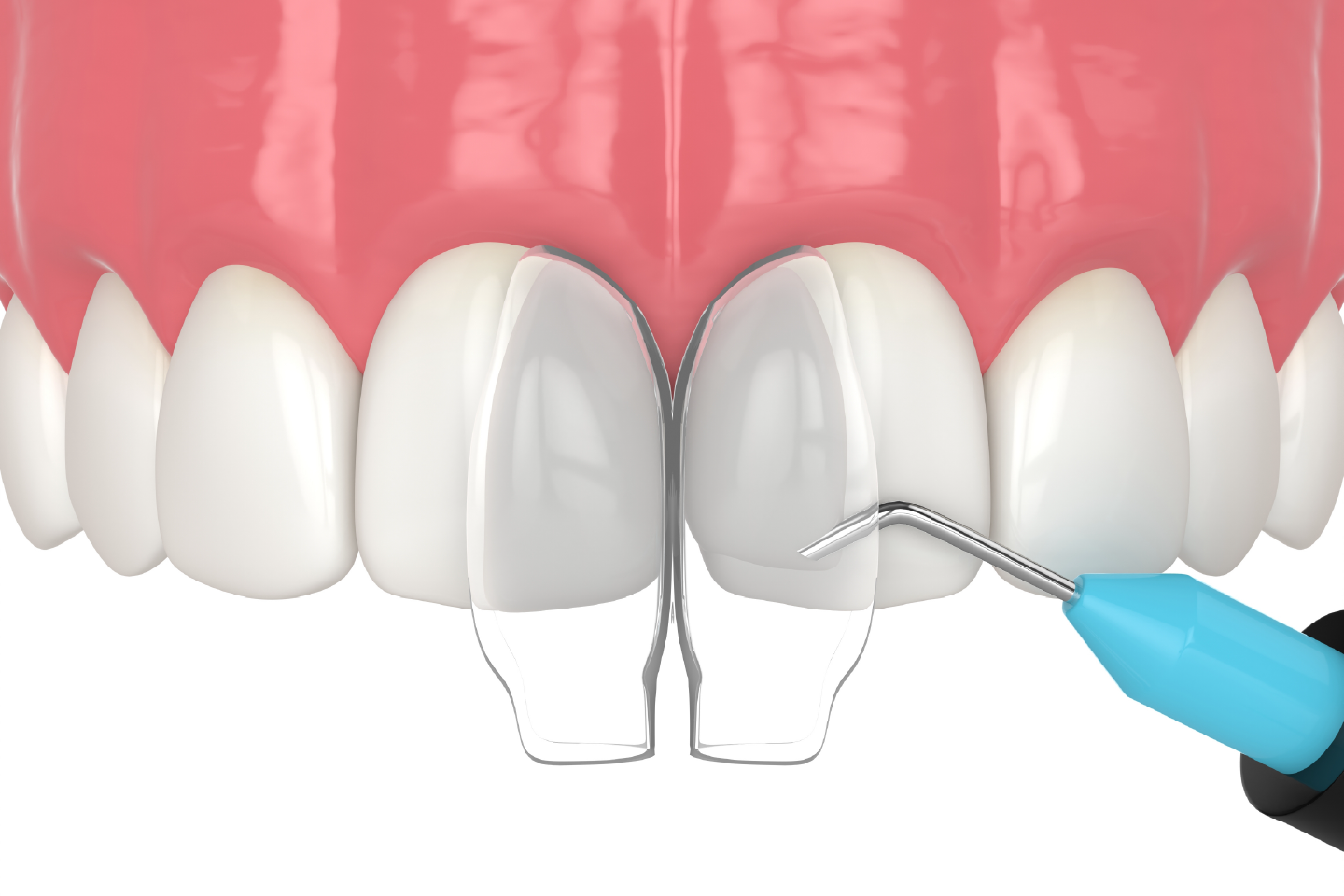
Application of Whitening Gel: A peroxide-based whitening agent is applied to the surface of the teeth. Depending on the system used, this may be left on for several intervals, with the gel being reapplied during the session.
Activation: Some whitening systems use a light source or laser to activate the gel and enhance the chemical reaction, while others rely solely on the gel’s effectiveness.
Completion and Rinse: After the procedure, the gel is removed, and the teeth are rinsed. The dental professional will then assess the outcome.
What to Expect During and After Treatment
Duration: Most in-house whitening sessions last between 60 and 90 minutes.
Comfort: Some patients may experience temporary tooth sensitivity during or after treatment, which usually subsides within a few days.
Number of Sessions: While a single appointment may show results, some individuals may require multiple sessions depending on their initial tooth shade and goals.
Follow-Up Advice: Patients are typically advised to avoid foods and drinks that may stain the teeth for at least 24–48 hours post-treatment.
Who Is a Candidate for In-House Whitening?
Not everyone is an ideal candidate. The procedure may be considered suitable for patients who:
Patients who are traveling overseas or need a brighter smile at short notice.
Have healthy teeth and gums with no untreated dental decay.
Are concerned about extrinsic staining caused by lifestyle factors such as coffee, tea, or smoking.
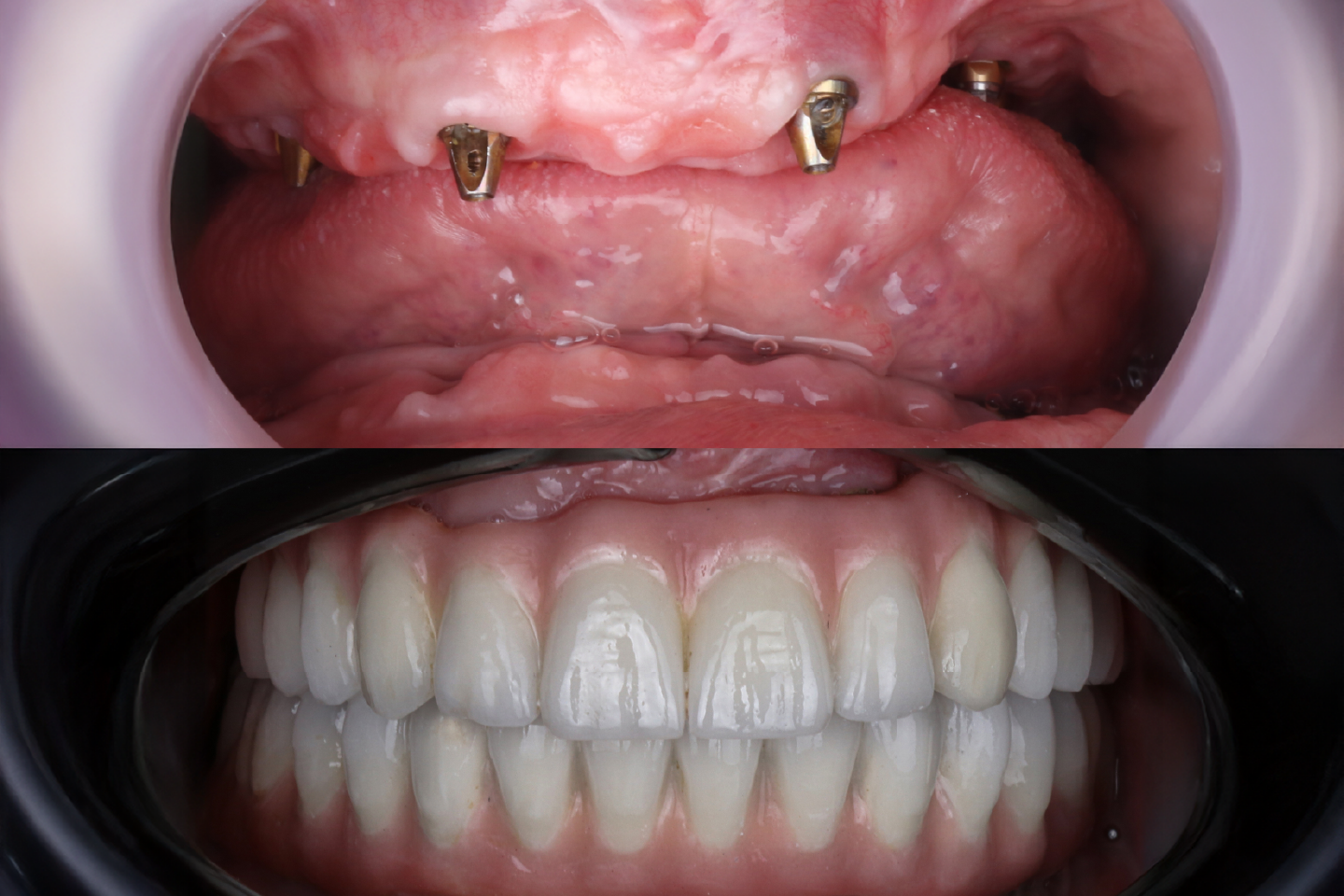
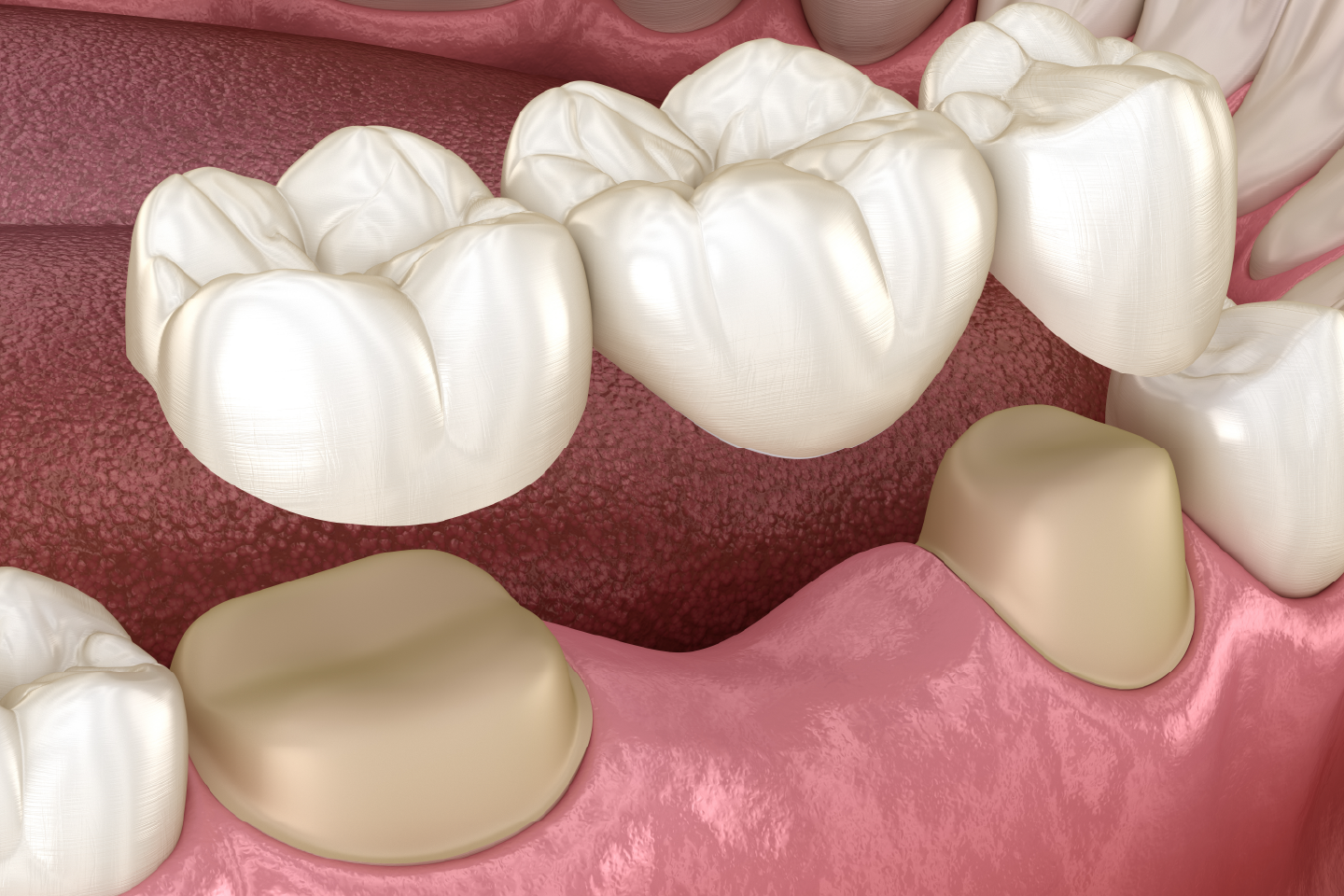
Do not have extensive restorations (crowns, veneers, or bridges), as these materials do not respond to bleaching agents.
Whitening is not recommended for:
Children and adolescents unless severe intrinsic stains.
Pregnant or breastfeeding women.
Patients with tooth hypersensitivity or untreated gum disease.
Individuals with intrinsic discolouration (e.g., due to trauma or certain medications), where other treatments may be more suitable.
Benefits of In-House Whitening
Professional Supervision: Treatment is monitored by dental professionals, ensuring patient safety.
Controlled Application: Protective measures reduce risks to gums and oral tissues.
Efficiency: Compared with home-based products, in-house whitening generally delivers noticeable effects in a shorter period of time.
Possible Side Effects
Like all dental procedures, in-house whitening carries some risks. The most common include:
Tooth Sensitivity: Temporary discomfort triggered by hot or cold food and drinks.
Gum Irritation: If whitening gel comes into contact with the gums, mild irritation may occur.
Uneven Whitening: Teeth with fillings, crowns, or veneers may not bleach evenly, leading to shade differences.
A dental professional will provide advice on how to minimise these side effects.
Maintaining Whitening Results
The longevity of whitening varies depending on individual lifestyle and habits. To prolong results, patients are often advised to:
Reduce consumption of staining foods and beverages.
Quit smoking or tobacco use.
Maintain regular oral hygiene, including brushing, flossing, and professional cleanings.
Consider occasional touch-up treatments, if recommended by the dentist.
Alternative Options
In-house whitening is one of several approaches available for improving tooth shade. Other options may include:
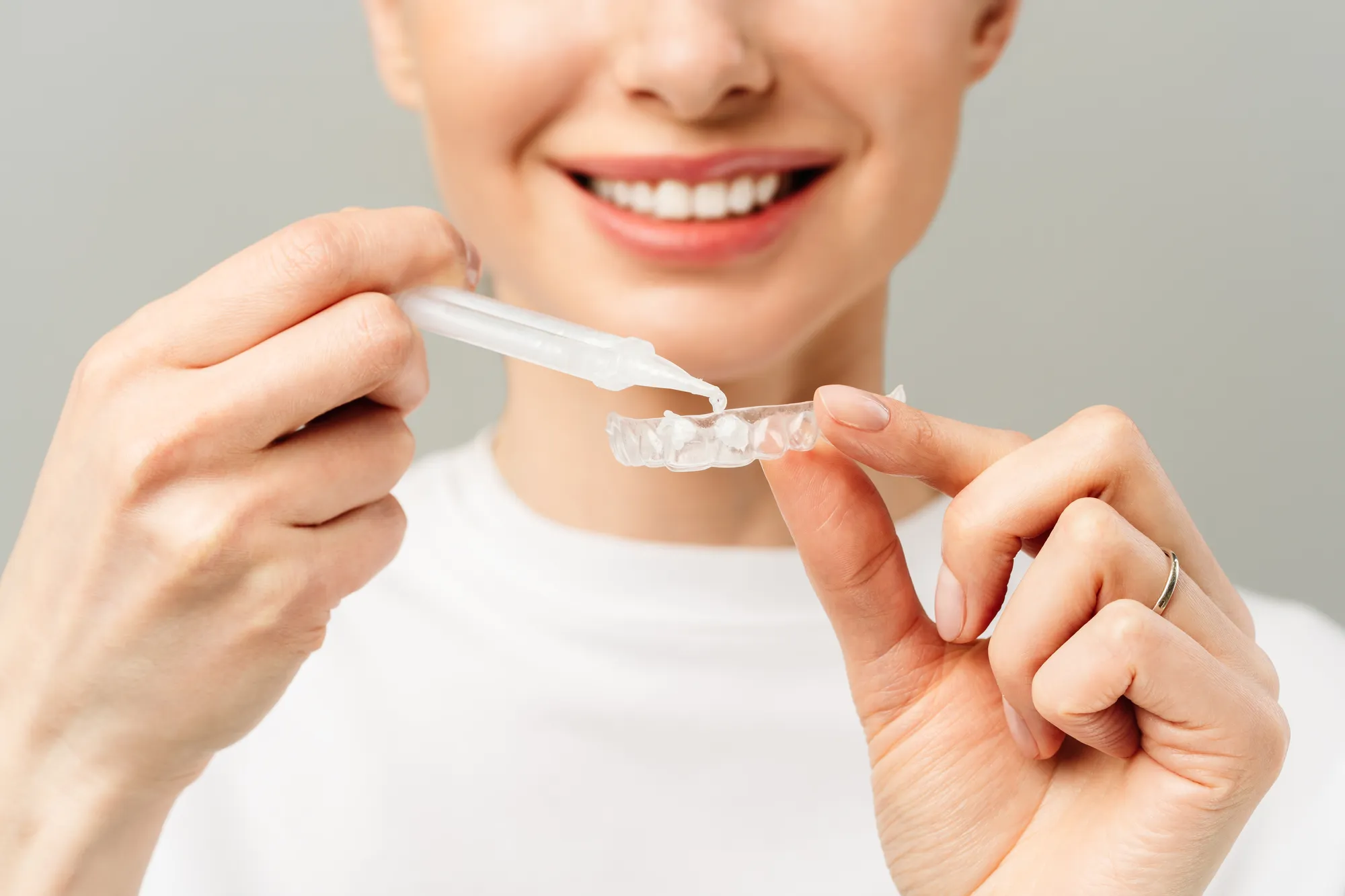
Take-Home Whitening Kits: Custom-fitted trays provided by the dentist for home use over several days or weeks.
Over-the-Counter Products: Whitening strips, toothpaste, and gels are available without a prescription, though these are less effective than professional treatments.
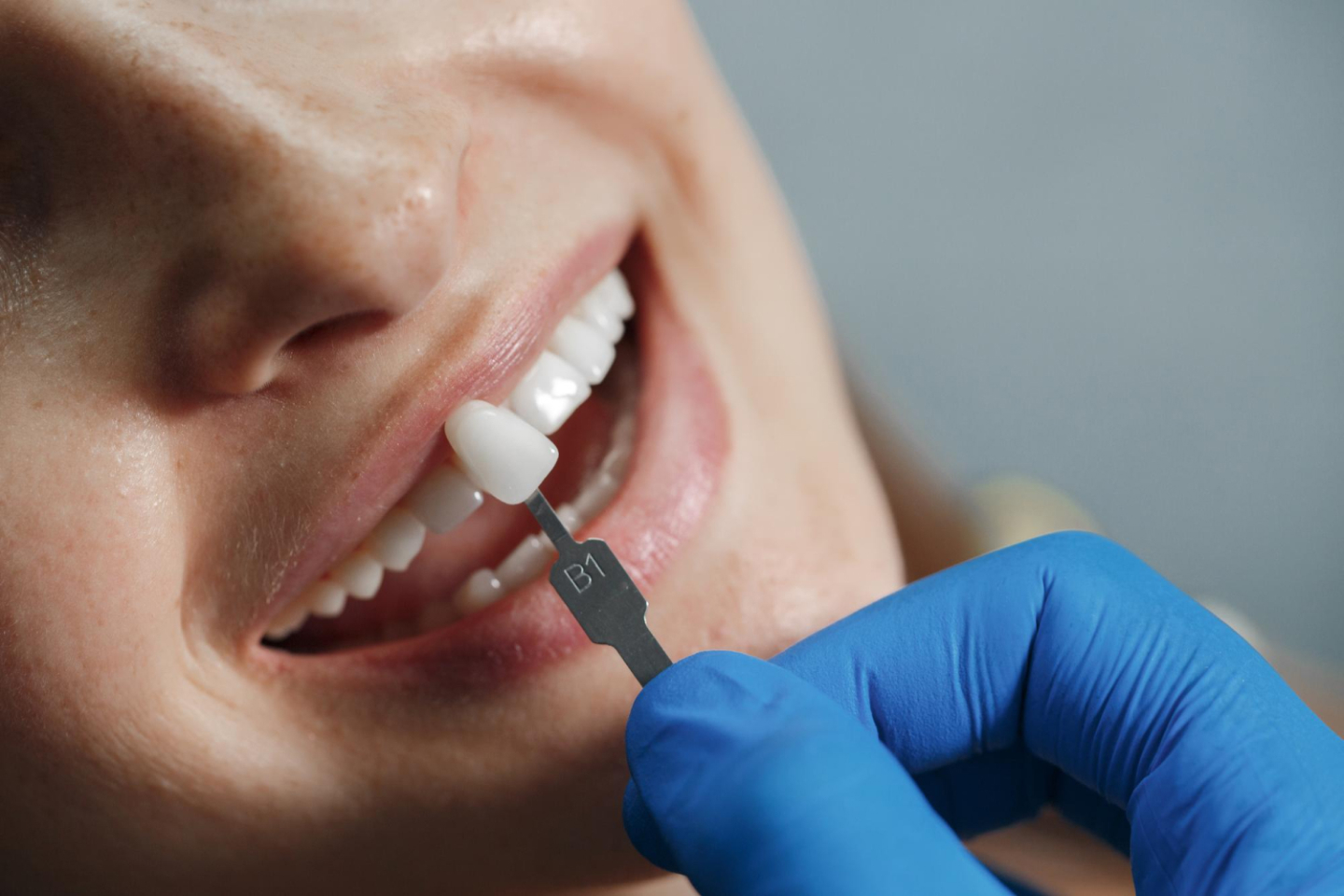
Restorative Options: For individuals with intrinsic stains or resistant discolouration, veneers or crowns may be considered instead.
Consultation at Alpha Dental
If you are considering in-house whitening, the first step is a consultation. During this visit, a dental professional will:
Examine your oral health to ensure suitability.
Discuss the expectations and limitations of whitening.
Recommend whether in-house whitening or an alternative is more appropriate for your situation.
Conclusion
In-house whitening is a clinically supervised procedure aimed at addressing tooth discolouration safely and effectively. While it can improve the brightness of natural teeth, it is not suitable for everyone and does not alter existing restorations. Tooth whitening is best part of an individualised treatment approach, tailored to each patient’s oral health needs and aesthetic goals. At Alpha Dental, patients receive a thorough assessment to determine if whitening is the right treatment option for them.
Book Online
Sent!
Thank you for your interest.
An error has occurred somewhere and it is not possible to submit the form. Please try again later.
You can book an appointment immediately via the form, or feel free to contact us via email or phone.