


.svg)










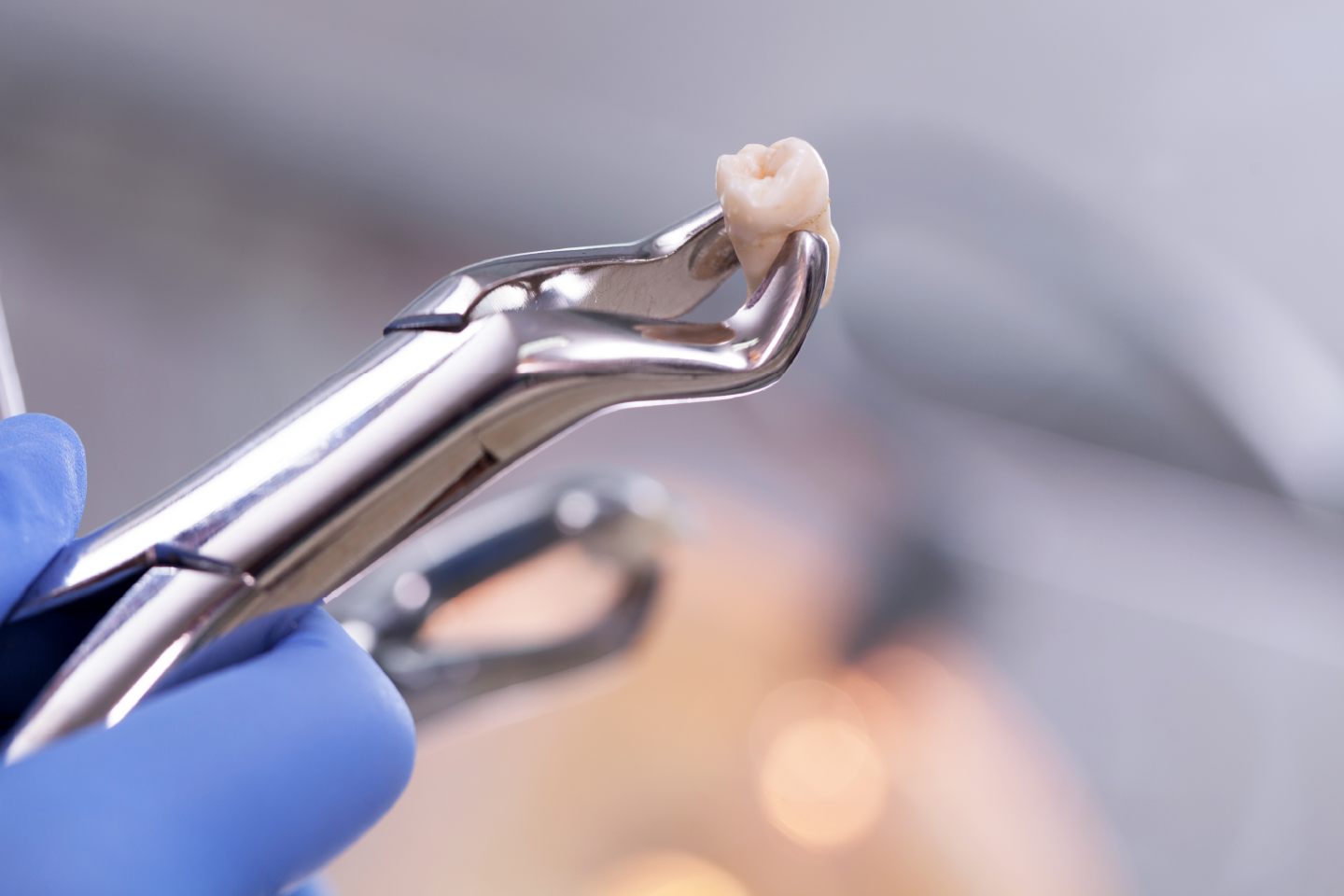
Tooth extraction is sometimes necessary when a tooth is too damaged to be repaired or when keeping it in place could affect surrounding teeth and gums. While the aim of dentistry is always to preserve natural teeth whenever possible, there are occasions where removal is the most appropriate course of treatment to protect overall oral health. At Alpha Dental Group, extractions are offered when they are the safest and most suitable option for a patient’s long-term dental well-being.
Tooth extraction is generally considered only after all other restorative options have been explored. Some common reasons include:
Each case is individually assessed through clinical examination and, where necessary, X-rays to determine the extent of damage or disease.
Tooth extractions can vary in complexity depending on the tooth’s condition and position in the mouth.
This procedure is performed when the tooth is visible above the gum line and can be loosened and removed with dental instruments under local anaesthesia.
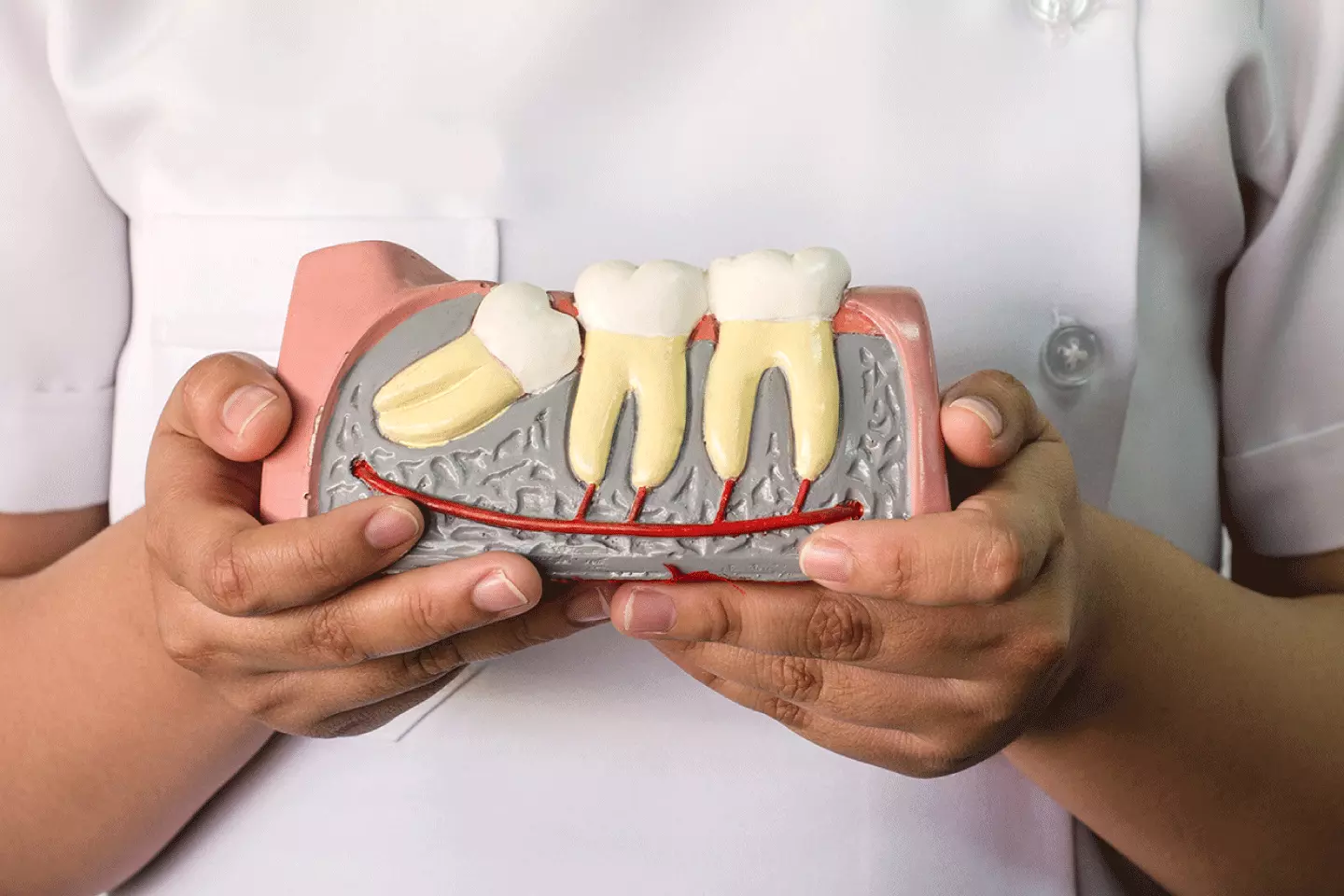
In cases where the tooth is broken, impacted, or not easily accessible, a surgical approach may be required. This involves making a small incision in the gum and, at times, sectioning the tooth for easier removal.
Both approaches aim to remove the affected tooth while minimising trauma to surrounding tissues.
The process begins with a consultation, where the dentist reviews the patient’s dental history, medical conditions, and any medications being taken. These details are important as they can influence the treatment plan and healing process.
During the procedure:
The procedure is usually completed in a single visit, with aftercare instructions provided to support proper healing.
Recovery following tooth extraction is an important part of the process. Proper aftercare helps reduce discomfort and prevents complications.
Most patients recover within a few days, though surgical extractions may require a slightly longer healing period.
Although tooth extraction is considered safe, as with any medical procedure, there are potential risks. These include:
Careful planning, sterile techniques, and clear aftercare guidance significantly reduce the likelihood of complications.
Extracting a tooth can leave a gap that affects chewing, speech, and the alignment of remaining teeth. For this reason, patients are usually advised to consider replacement options.
Common restorative solutions include:
The choice of replacement depends on the number of teeth removed, oral health status, and patient preference. Replacing missing teeth helps maintain jawbone health, prevents the shifting of surrounding teeth, and restores function.
Patients scheduled for extraction are generally asked to:
Being well-prepared ensures a smoother experience and recovery.
If you are experiencing dental pain, overcrowding, or issues related to gum disease, it is important to seek timely advice. Alpha Dental Group offers comprehensive assessments and treatment planning for tooth extractions and related care. Arrange a consultation to learn more about your options and the treatment that best supports your long-term dental health.








.svg)


