




.svg)









Is Every Six Months Really Necessary?
You've probably heard that you should visit the dentist every six months. While this recommendation is suitable for many people, the ideal schedule isn't the same for everyone. Some patients may only need an annual check-up, while others benefit from more frequent visits due to their oral health or medical history.
Regular dental check-ups are one of the simplest ways to prevent cavities, gum disease, and other dental problems before they become more complex and costly to treat.
If you live or work in Singapore, scheduling routine dental visits can help keep your smile healthy and detect issues early, often before you notice any symptoms.
Why Are Regular Dental Checkups Important?
Many dental conditions develop gradually and may not cause pain until they become more advanced.
Routine dental check-ups allow your dentist to:
- Detect cavities early
- Identify signs of gum disease
- Screen for oral cancer
- Check existing fillings, crowns, and other restorations
- Remove plaque and tartar during professional cleaning
- Monitor changes in your bite and oral health
- Provide personalised advice on brushing and flossing
Early detection often means simpler, less invasive treatment and better long-term oral health.
How Often Should Most People Visit the Dentist?
For most adults and children with good oral health, a dental examination and professional cleaning every six months is recommended.
These visits help remove hardened plaque that cannot be removed with brushing alone and allow your dentist to monitor any changes in your teeth or gums.
Keeping up with regular appointments can significantly reduce the risk of developing more serious dental problems.
Who May Need More Frequent Checkups?
Some patients benefit from dental visits every three to four months.
Your dentist may recommend more frequent check-ups if you have:
- Gum disease
- A history of frequent cavities
- Diabetes
- Dry mouth
- Braces or Invisalign treatment
- Dental Implants
- A weakened immune system
- A history of smoking
- Pregnancy-related gum problems
More frequent monitoring helps manage existing conditions and reduces the risk of complications.
Can Some People Wait Longer Than Six Months?
In certain cases, patients with excellent oral health and a very low risk of dental disease may only require annual examinations.
However, this decision should always be made by your dentist after evaluating factors such as:
- Previous dental history
- Risk of tooth decay
- Gum health
- Medical conditions
- Lifestyle habits
Even if your teeth feel fine, regular professional assessment remains important because many dental problems develop without noticeable symptoms.
What Happens During a Dental Checkup?
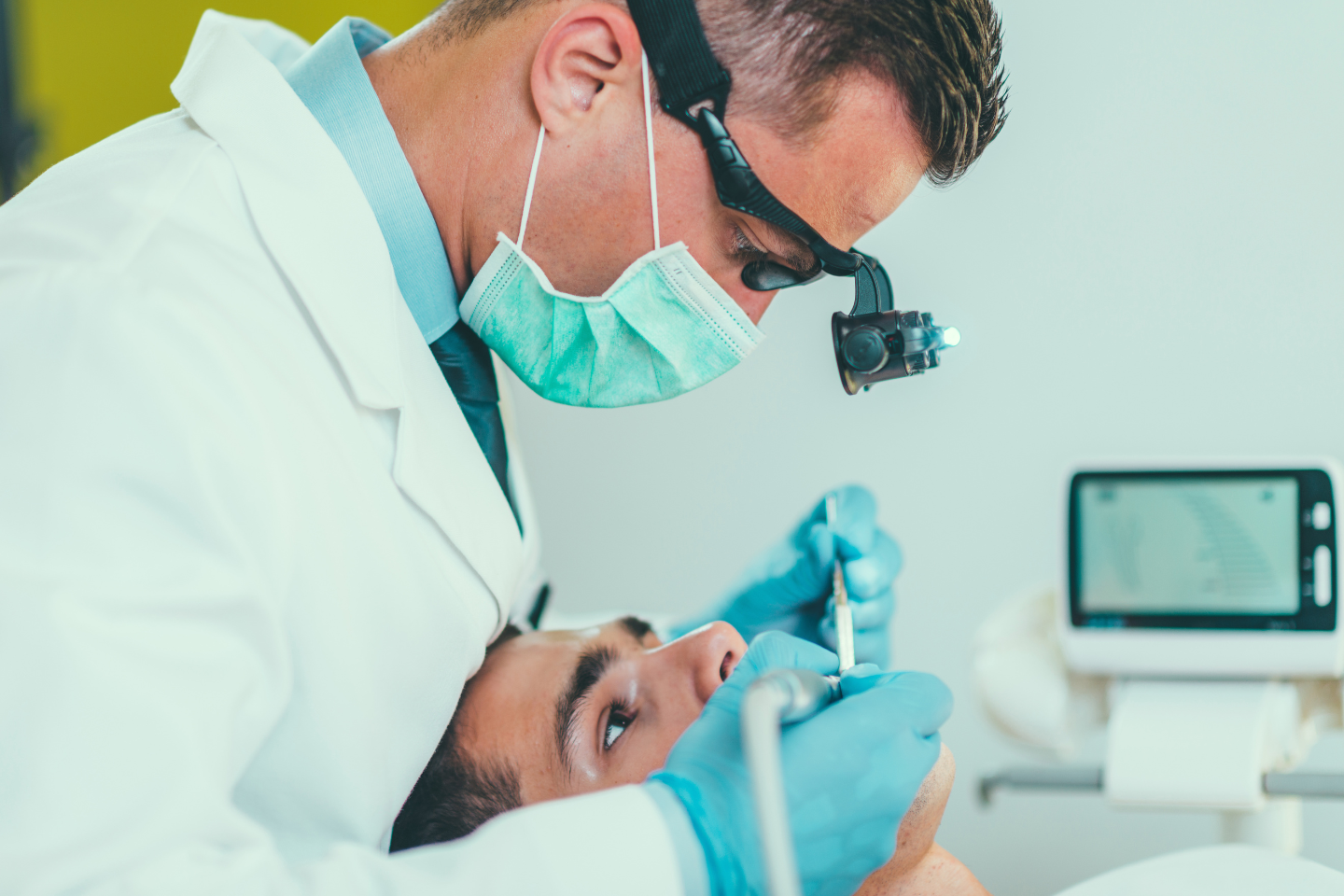
A routine dental visit involves much more than simply checking for cavities. Your appointment may include:
- Oral Examination
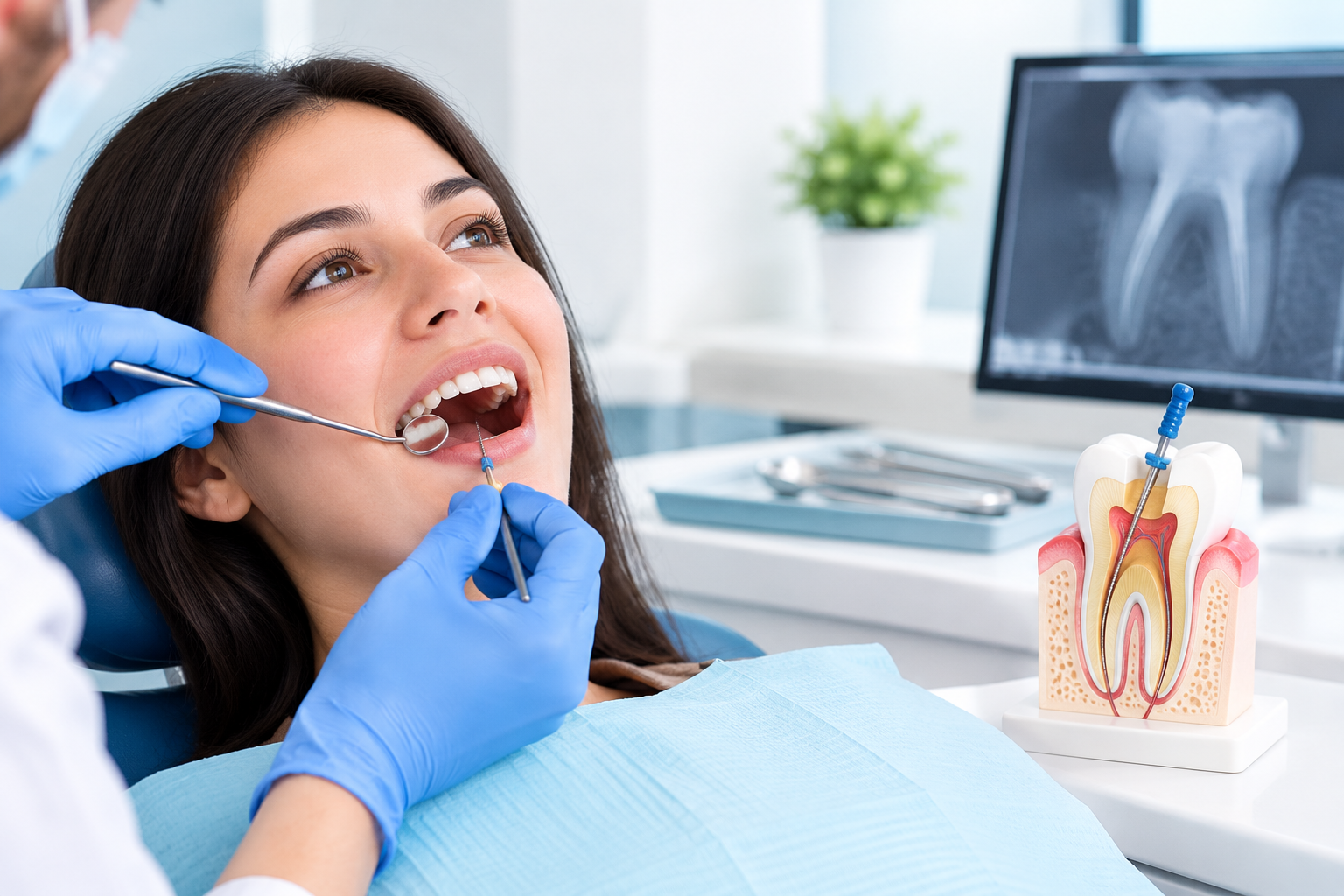
Your dentist examines your teeth, gums, tongue, cheeks, and other oral tissues for signs of disease or abnormalities. - Digital X-rays
When needed, digital X-rays help identify problems that cannot be seen during a visual examination, such as decay between teeth or infections beneath existing restorations. - Professional Cleaning
A dental hygienist or dentist removes plaque, tartar, and surface stains before polishing your teeth. - Gum Health Assessment
Your gums are checked for signs of inflammation, recession, or periodontal disease. - Personalised Advice
Your dentist may recommend changes to your oral hygiene routine, diet, or preventive treatments based on your individual needs.
What Happens If You Skip Dental Checkups?
Missing regular dental visits increases the likelihood that small problems will become larger ones.
Without routine examinations:
- Cavities may progress unnoticed.
- Gum disease can worsen.
- Minor cracks may develop into fractures.
- Tooth infections may require Root Canal Treatment.
- Teeth that could have been saved may eventually need extraction.
Preventive care is generally simpler, less invasive, and more affordable than treating advanced dental disease.
How Can You Keep Your Teeth Healthy Between Visits?
Regular dental appointments work best when combined with good daily oral hygiene.
You can protect your smile by:
- Brushing twice a day with fluoride toothpaste
- Flossing or cleaning between your teeth daily
- Limiting sugary snacks and drinks
- Drinking plenty of water
- Wearing a mouthguard during sports if recommended
- Following your dentist's advice for ongoing care
These habits help maintain healthy teeth and gums between professional visits.
Dental Checkups at Alpha Dental Group Singapore CBD
At Alpha Dental Group, we believe preventive care is the foundation of lifelong oral health. Our comprehensive dental examinations include detailed assessments, digital imaging when required, and professional cleanings tailored to your individual needs.
Conveniently located at 20 Cecil Street in Singapore's CBD, we welcome patients working around Raffles Place, Marina Bay, Shenton Way, and Tanjong Pagar, making routine dental care easy to fit into your busy schedule.
Whether you're due for a routine examination or haven't seen a dentist for several years, our team is here to help you maintain a healthy smile.
Conclusion
For most people, visiting the dentist every six months is an effective way to maintain good oral health and detect problems early. However, some patients may need more frequent visits based on their individual risk factors and dental history.
Regular dental check-ups, combined with good oral hygiene at home, are one of the best investments you can make in your long-term oral health.
To learn more about our General Dentistry services or to schedule your next dental examination, contact Alpha Dental Group today.
Frequently Asked Questions
Q: Is it really necessary to visit the dentist every six months?
A: For most people, yes. Regular six-month check-ups help detect problems early and keep teeth and gums healthy, although some patients may need more or less frequent visits based on their oral health.
Q: Can I skip my dental check-up if I don't have any pain?
A: No. Many dental conditions, including cavities and gum disease, can develop without causing pain in their early stages.
Q: How long does a routine dental check-up take?
A: Most routine examinations and professional cleanings take between 30 and 60 minutes, depending on your individual needs.
Q: Do I need X-rays at every dental visit?
A: Not necessarily. Your dentist will recommend X-rays only when clinically appropriate based on your oral health and previous imaging.
Q: What if it's been several years since my last dental visit?
A: It's never too late to return. Your dentist will assess your current oral health, discuss any concerns, and recommend a personalised treatment plan if needed.





.svg)


