



If you are thinking about improving your smile, you may be comparing Invisalign, dental veneers and professional teeth whitening. Before choosing, it is worth working out how you will pay for it.
In Singapore, MediSave can be used for selected approved dental surgical procedures done for medical reasons. It generally does not cover nonsurgical or cosmetic dental treatments, which includes Invisalign, veneers and teeth whitening.
Knowing what MediSave covers, how it differs from the Community Health Assist Scheme (CHAS) and what other ways of paying exist makes it much easier to plan your treatment.
Quick Answer: What Is Covered and What Is Not?
- Invisalign: Not covered by MediSave.
- Dental veneers: Not covered by MediSave.
- Professional teeth whitening: Not covered by MediSave.
- Selected dental surgery for medical reasons, such as eligible implant procedures and surgical removal of impacted wisdom teeth: May be claimable, subject to eligibility and withdrawal limits.
What Is MediSave and How Does It Work for Dental Treatment?
MediSave is Singapore's national medical savings scheme. It lets eligible people use their MediSave savings for approved healthcare expenses, subject to the relevant requirements and withdrawal limits.
For dental care, MediSave generally applies to selected complex procedures that involve surgery for medical reasons. Examples include eligible dental implant procedures and surgical wisdom tooth removal. Not every procedure qualifies, even when a dentist recommends it.
Routine dental care and elective cosmetic treatments are generally not MediSave claimable. Whether a procedure is eligible depends on its approved treatment category and the scheme requirements.
To understand one type of treatment that may qualify, read about dental implants at Alpha Dental Group. If you are not sure how the deductible and withdrawal limit work, the clinic's page on the MediSave deductible explains the basics.
Is Invisalign Covered by MediSave?
No. Invisalign is generally not covered by MediSave in Singapore because it is a nonsurgical orthodontic treatment.
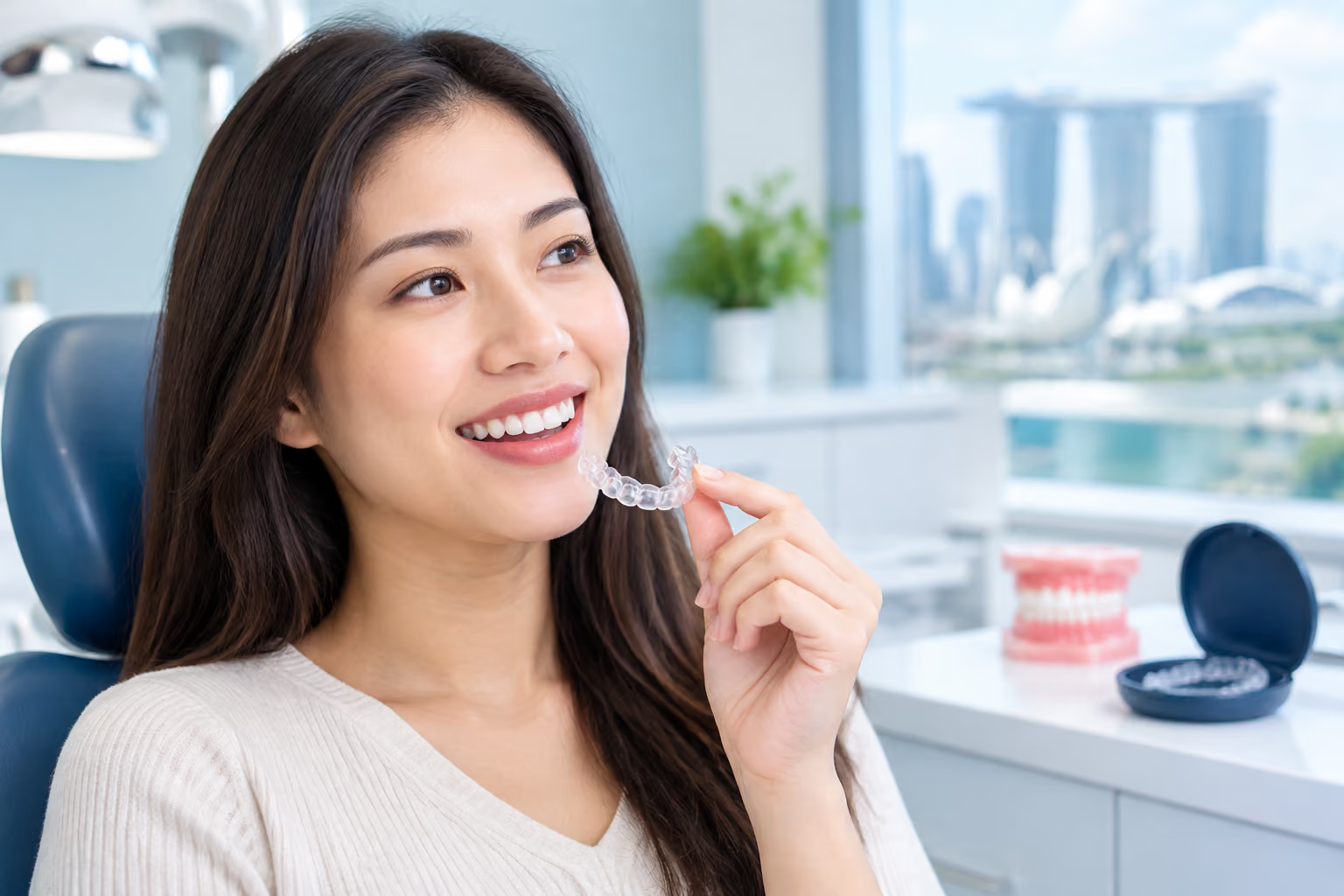
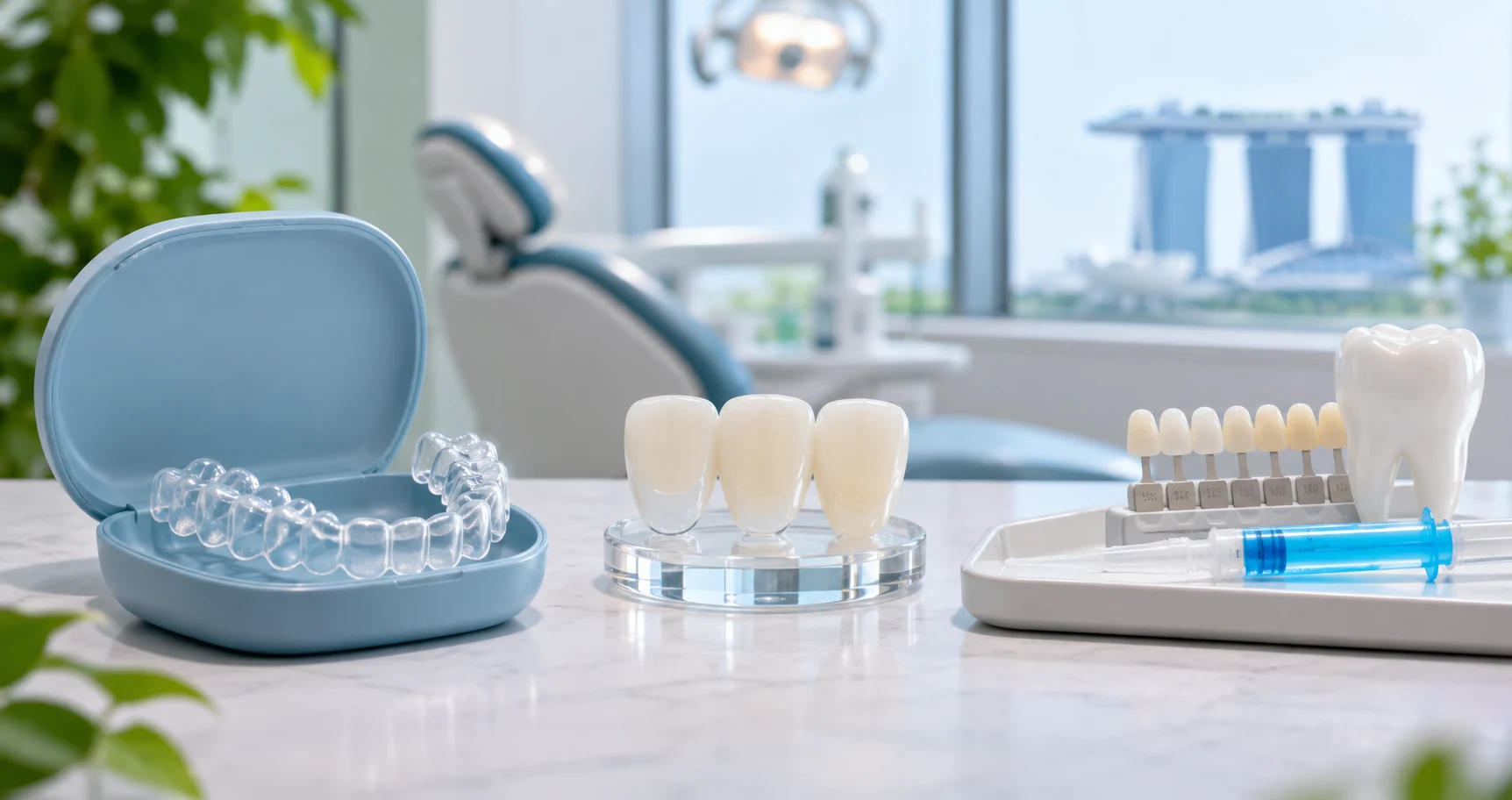
Invisalign uses a series of clear, removable aligners to move teeth gradually into planned positions. People often consider it for crowded teeth, gaps or certain bite irregularities. It can improve alignment and may form part of a wider oral health plan, but it does not fall under the usual MediSave claimable surgical procedures.
What Does Invisalign Treatment Involve?
Treatment usually begins with an assessment of your teeth, gums and bite. Digital scans or other records are then used to plan how your teeth will move.
A series of custom made aligners is prepared from that plan. You wear them as instructed and change to the next set at the intervals your dentist or orthodontist recommends. The total duration varies with the complexity of your case and how consistently you wear the aligners.
A consultation can show whether clear aligners suit you, and Alpha Dental Group's Invisalign service is a good place to start. For a sense of timing and budget, our guides to how long Invisalign takes and how much Invisalign costs in Singapore go into more detail, and is Invisalign for you helps you decide whether it fits your situation.
Are There Other Ways to Pay for Invisalign?
Since MediSave generally cannot be used, you may need to pay through other arrangements offered by the clinic. Depending on the clinic, these can include:
- Upfront payment for the treatment.
- Instalment arrangements, where available.
- Private dental insurance benefits, if your policy specifically covers the treatment.
Check the total fee and payment terms before you start. If you have dental insurance, confirm your cover with your insurer, because orthodontic benefits and exclusions differ between policies. Alpha Dental Group's insurance page lists the plans and schemes the clinic works with.
Are Dental Veneers Covered by MediSave?
No. Dental veneers are generally not covered by MediSave because they are nonsurgical restorative or cosmetic treatments.
Veneers are thin coverings placed over the front surfaces of teeth to change how they look. Depending on the case, they can address tooth colour, shape, size or minor irregularities. They may be made from materials such as porcelain or composite resin, and the choice depends on your dental condition, your goals and your dentist's assessment. You can read about porcelain veneers or browse our article on transforming your smile with veneers.
What Should You Know Before Getting Veneers?
Veneers are not suitable for everyone. Your dentist will assess your teeth, gums, bite and existing restorations before recommending them.
Some veneer procedures require removing a small amount of enamel, which may be irreversible depending on the preparation. Other things to think about include:
- The condition of your natural teeth and gums.
- How much enamel you have available.
- Your bite and any history of teeth grinding.
- The upkeep needed for the material you choose.
- The possibility of repair or replacement in the future.
Untreated tooth decay or gum disease may need to be dealt with before cosmetic treatment can begin.
Can Veneers Be Covered by MediSave if They Improve My Smile?
Generally, no. Improving the appearance of your teeth does not make veneers MediSave claimable.
Eligibility depends on the approved procedure and the medical and surgical requirements, not on whether a treatment improves oral health or looks. If a tooth also has an underlying dental problem, your dentist will assess that separately and explain the options. Do not assume a cosmetic procedure will qualify just because it is done alongside other treatment.
Is Professional Teeth Whitening Covered by MediSave?
No. Professional teeth whitening is generally not covered by MediSave because it is a nonsurgical cosmetic procedure.
Whitening uses bleaching agents to lighten natural teeth. It can be done in the clinic, such as in house teeth whitening, or through a dentist supervised take home whitening kit, depending on the approach your dentist recommends. Results vary with the cause and severity of the staining.
What Happens During Professional Teeth Whitening?
Before whitening, your dentist checks your teeth and gums to confirm that it is appropriate. That assessment may uncover the cause of the discolouration, whether it is surface staining, changes inside the tooth or existing restorations. Whitening does not work the same way on every type of discolouration, and fillings, crowns and veneers do not whiten like natural teeth.
Treatment then involves either a bleaching agent applied in the clinic or a home system prescribed by your dentist. Temporary tooth sensitivity and gum irritation can occur, and your dentist can explain the possible side effects and how to reduce them. If you are looking at wider changes to your smile, Alpha Dental Group's cosmetic dentistry page shows what else is available, and our overview of the best cosmetic dentistry treatments compares the options.
Are At Home Whitening Products Covered by MediSave?
No. Over the counter whitening strips, gels and similar products are not generally eligible for MediSave payment either.
MediSave is not a general dental spending account. It is limited to approved healthcare expenses, and cosmetic products do not become eligible just because they are meant to improve how teeth look. If you are unsure which whitening approach suits you, speak to your dentist first, especially if you have sensitive teeth, gum problems or existing restorations.
What Dental Treatments Can MediSave Cover?
Although Invisalign, veneers and whitening are generally not covered, MediSave may be used for selected approved dental procedures involving surgery for medical reasons. Examples can include:
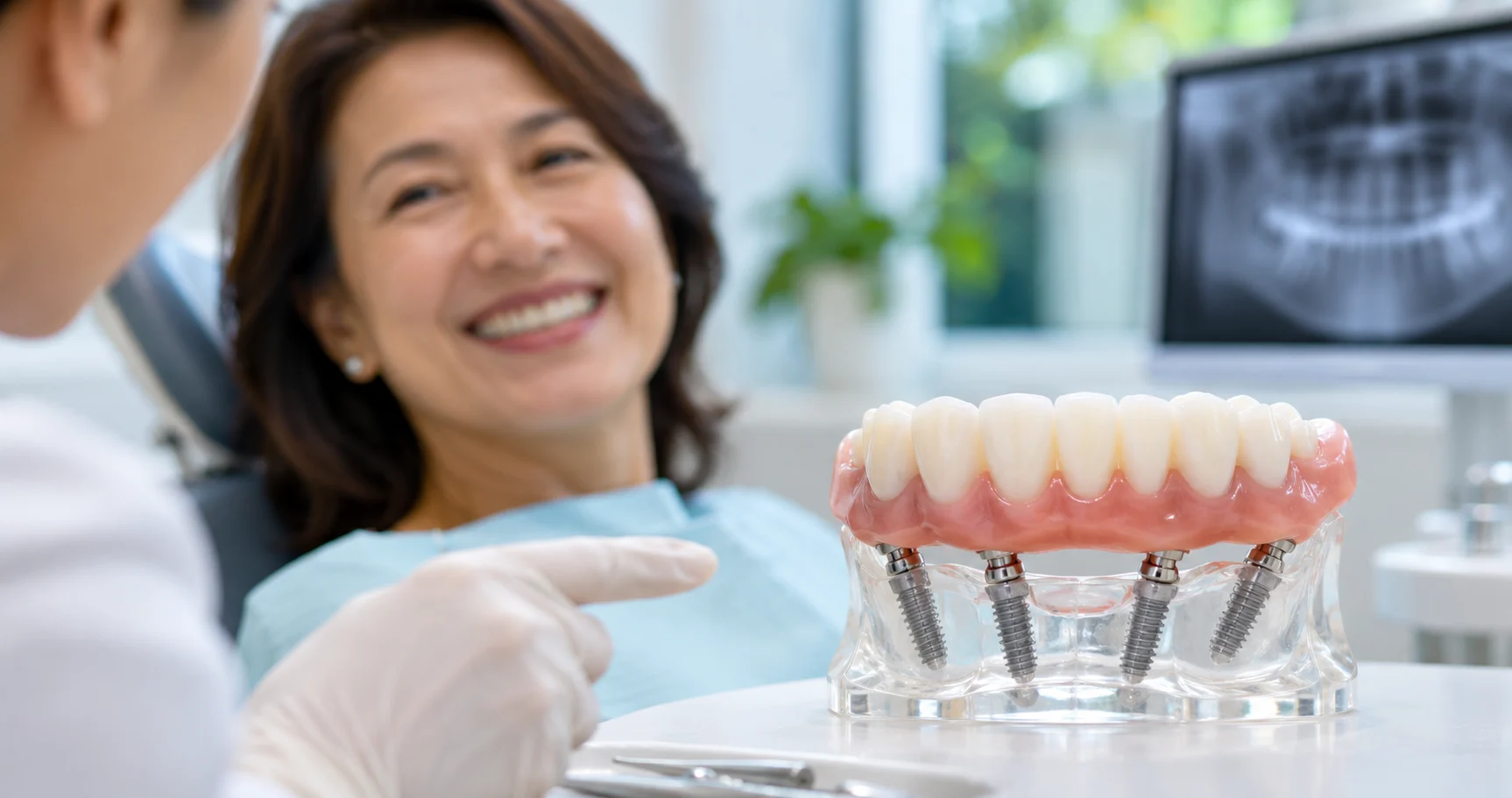
- Eligible dental implant procedures.
- Surgical removal of impacted wisdom teeth.
- Other approved complex dental surgical procedures, subject to the relevant requirements.
How much you can claim depends on the procedure, its withdrawal limit and your MediSave balance. Not every treatment involving an implant or a surgical appointment is automatically eligible, and the procedure must be done at an appropriately accredited institution.
What About Crowns and Root Canal Treatment?
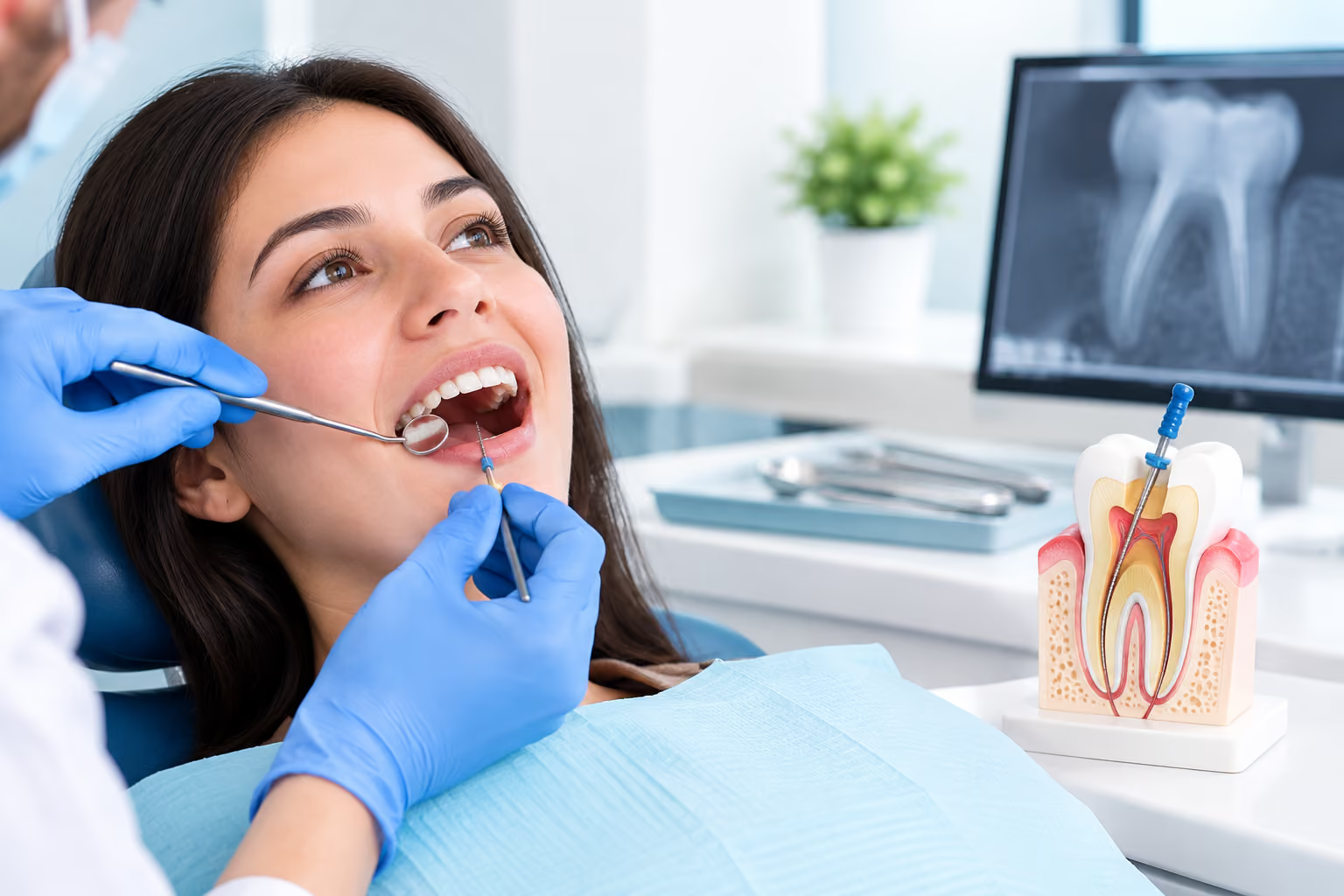
Standard MediSave generally does not cover routine, nonsurgical root canal treatment or dental crowns.
There is one important exception. The Ministry of Health announced that, from the middle of 2026, seniors aged 60 and above can use Flexi-MediSave for root canal treatment and permanent crowns at CHAS dental clinics and public healthcare institutions, with up to $400 a year available. Clinics need to be onboarded to Flexi-MediSave, so check with your clinic before you book. This does not extend to Invisalign, veneers or teeth whitening.
If you have a damaged or infected tooth, your dentist can explain whether root canal treatment or another restorative option is appropriate. Our guide to root canal treatment cost in Singapore may help you plan.
Can CHAS Be Used for Invisalign, Veneers or Whitening?
Generally, no. CHAS dental subsidies apply to selected approved procedures at participating clinics. They do not usually cover elective cosmetic treatments such as Invisalign, veneers or whitening.
CHAS is different from MediSave. MediSave is used for approved healthcare expenses, while CHAS gives subsidies to eligible Singapore Citizens receiving selected medical and dental services at participating clinics. Depending on your eligibility, CHAS can reduce the cost of certain procedures such as consultations, scaling, fillings, extractions, root canal treatment and permanent crowns.
The subsidy depends on the procedure, your eligibility tier and the applicable limits, and not every treatment at a participating clinic is subsidised. Ask the clinic whether your treatment qualifies for CHAS and whether any other subsidies apply. For a fuller explanation, see our MediSave and CHAS guide to dental subsidies.
How Can You Plan the Cost of Cosmetic Dental Treatment?
If you are considering Invisalign, veneers or whitening, understanding the full cost before you commit saves surprises later. These steps help.
1. Arrange a Dental Assessment
Your dentist can assess your teeth, gums and bite and discuss which treatments are appropriate for you.
2. Request a Treatment Plan and Cost Breakdown
Ask for the total estimated fee, including consultations, scans, follow up visits, retainers and any additional procedures that might be needed.
3. Confirm MediSave Eligibility
If your plan involves more than one procedure, ask which components, if any, qualify for MediSave. Do not assume every part of a combined plan can be claimed.
4. Check Insurance and Payment Arrangements
Review your private dental insurance policy and ask about instalment options, if they are available. Confirm exclusions, waiting periods and claim limits with the provider.
5. Consider the Long Term Upkeep
Different treatments need different maintenance. Invisalign may require retainers after active treatment, veneers may need repair or replacement, and whitening results can change over time.
Thinking through these points helps you compare treatments on your dental needs, your budget and your expectations.
Dental Treatment at Alpha Dental Group Singapore CBD
At Alpha Dental Group, you can talk through your dental concerns and treatment options based on your own oral health needs.
The clinic is at 20 Cecil Street in Singapore's CBD, within reach of Raffles Place, Marina Bay, Shenton Way and Tanjong Pagar. Whatever you are considering, whether it is Invisalign, a smile makeover or a procedure that might qualify for MediSave, ask about the expected cost, the payment options and whether any part of your plan qualifies for a scheme before you decide.
Invisalign, dental veneers and professional teeth whitening are generally not covered by MediSave in Singapore because they are nonsurgical or cosmetic treatments. MediSave may be used for selected approved dental surgical procedures done for medical reasons, subject to eligibility and withdrawal limits. CHAS may subsidise certain other procedures, but not elective cosmetic care. Speak with your dentist about your options, the expected fees and any schemes that apply, so your decision takes in both your oral health and your budget.
Frequently Asked Questions on MediSave Coverage
Is Invisalign covered by MediSave in Singapore?
No. Invisalign is a nonsurgical orthodontic treatment and is generally not covered by MediSave. You will usually need to pay through the other arrangements a clinic offers.
Can I use MediSave to pay for dental veneers?
No. Veneers are generally treated as cosmetic or nonsurgical and are not MediSave claimable. Your dentist can explain the fee and any payment arrangements.
Does MediSave cover professional teeth whitening?
No. Professional whitening is a cosmetic procedure and is generally not covered by MediSave. The same applies to most over the counter whitening products.
Can CHAS cover Invisalign, veneers or teeth whitening?
Generally, no. CHAS subsidies apply to selected dental procedures at participating clinics, not elective cosmetic treatments such as Invisalign, veneers and whitening.
Which dental treatments can be paid for using MediSave?
MediSave may be used for selected approved dental surgical procedures done for medical reasons, such as eligible dental implant procedures and surgical removal of impacted wisdom teeth. Eligibility and withdrawal limits apply.
Can seniors use Flexi-MediSave for cosmetic dental treatment?
No. Flexi-MediSave for eligible seniors aged 60 and above covers root canal treatment and permanent crowns at participating clinics. It does not generally cover Invisalign, veneers or teeth whitening.
How can I find out whether my dental treatment is MediSave claimable?
Ask your dentist or the clinic team to confirm whether your specific procedure meets MediSave requirements. They can explain eligibility, withdrawal limits and what you are likely to pay out of pocket.