


.svg)










Botulinum toxin, commonly known as Botox, is widely recognised for its cosmetic applications, but it also has several dental uses that can improve oral health and manage specific dental conditions. In dentistry, Botox is primarily used to relieve muscle-related problems, reduce tension, and manage conditions such as bruxism (teeth grinding), temporomandibular joint (TMJ) disorders, and certain cases of chronic facial pain.
At Alpha Dental Group, Botox treatments are offered as part of a comprehensive approach to dental health. These treatments are tailored to each patient’s needs, focusing on functional improvement and symptom relief rather than aesthetic purposes alone.
Botox is a purified protein that temporarily relaxes targeted muscles. When injected into specific facial or jaw muscles, it can reduce muscle activity and relieve tension. This helps in managing conditions where overactive muscles contribute to pain, wear on the teeth, or functional problems in the jaw.
Unlike dental procedures that directly treat the teeth or gums, Botox addresses the muscular component that may exacerbate dental issues. By relaxing the muscles it can reduce symptoms such as jaw clenching, headaches, and tooth wear caused by bruxism.
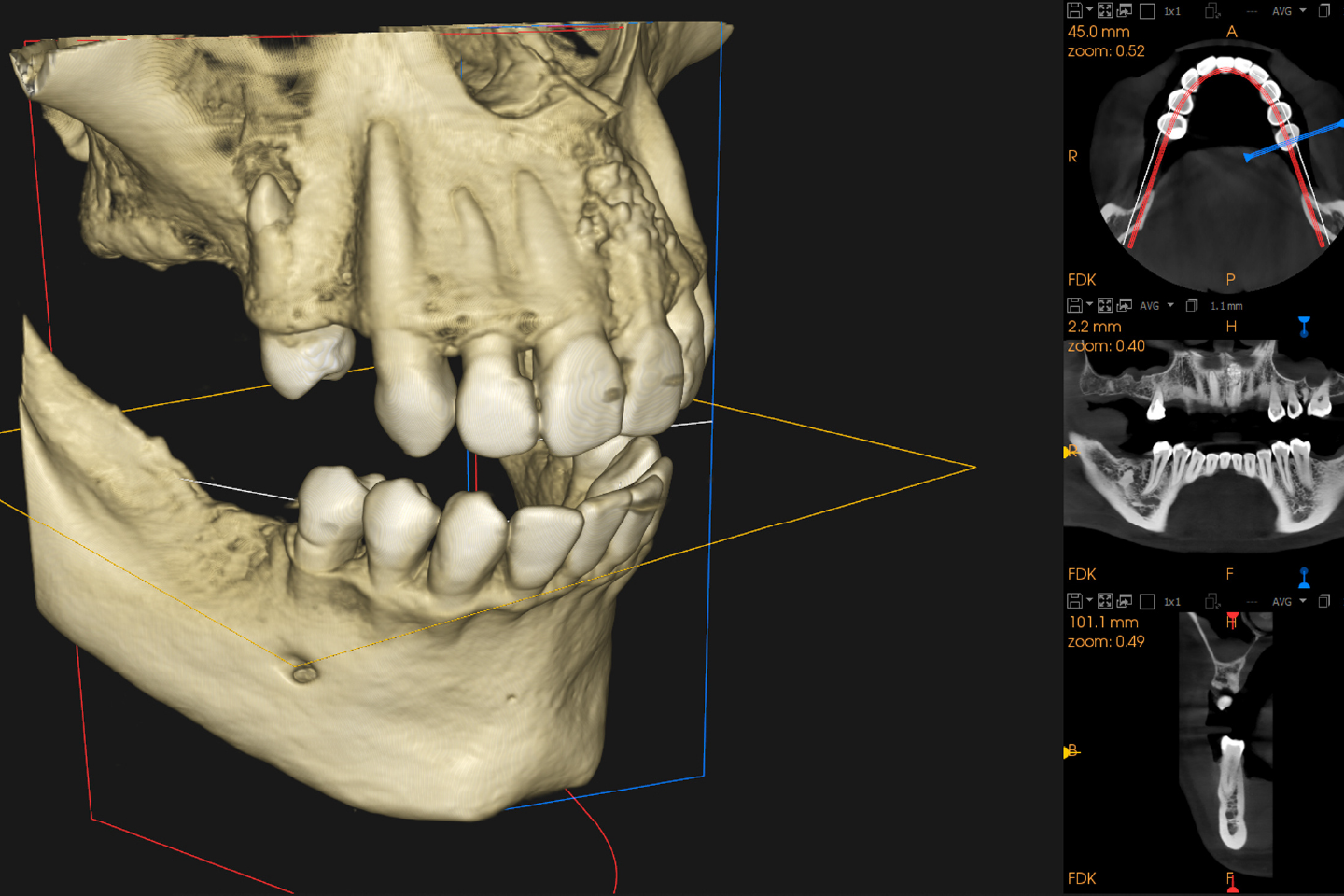
Bruxism, or chronic teeth grinding, can lead to enamel erosion, tooth fractures, jaw pain, and headaches. Dental Botox is used to weaken overactive muscles responsible for clenching, typically the masseter muscles. This can reduce grinding, protect teeth from further damage, and relieve associated discomfort.
TMJ disorders often involve excessive tension in the muscles surrounding the jaw joint. Botox can help relax these muscles, easing pain, improving jaw mobility, and reducing clicking or popping sounds. While it does not correct structural problems in the joint, it can provide symptomatic relief.
Some types of chronic facial pain and tension headaches are linked to overactive jaw and facial muscles. Targeted Botox injections can alleviate muscular tension, leading to a reduction in pain episodes and improved comfort.
In certain cases, patients who have undergone orthodontic treatment or extensive dental work may experience muscle strain or discomfort. Dental Botox can be used to manage these symptoms, facilitating recovery and improving functional outcomes.
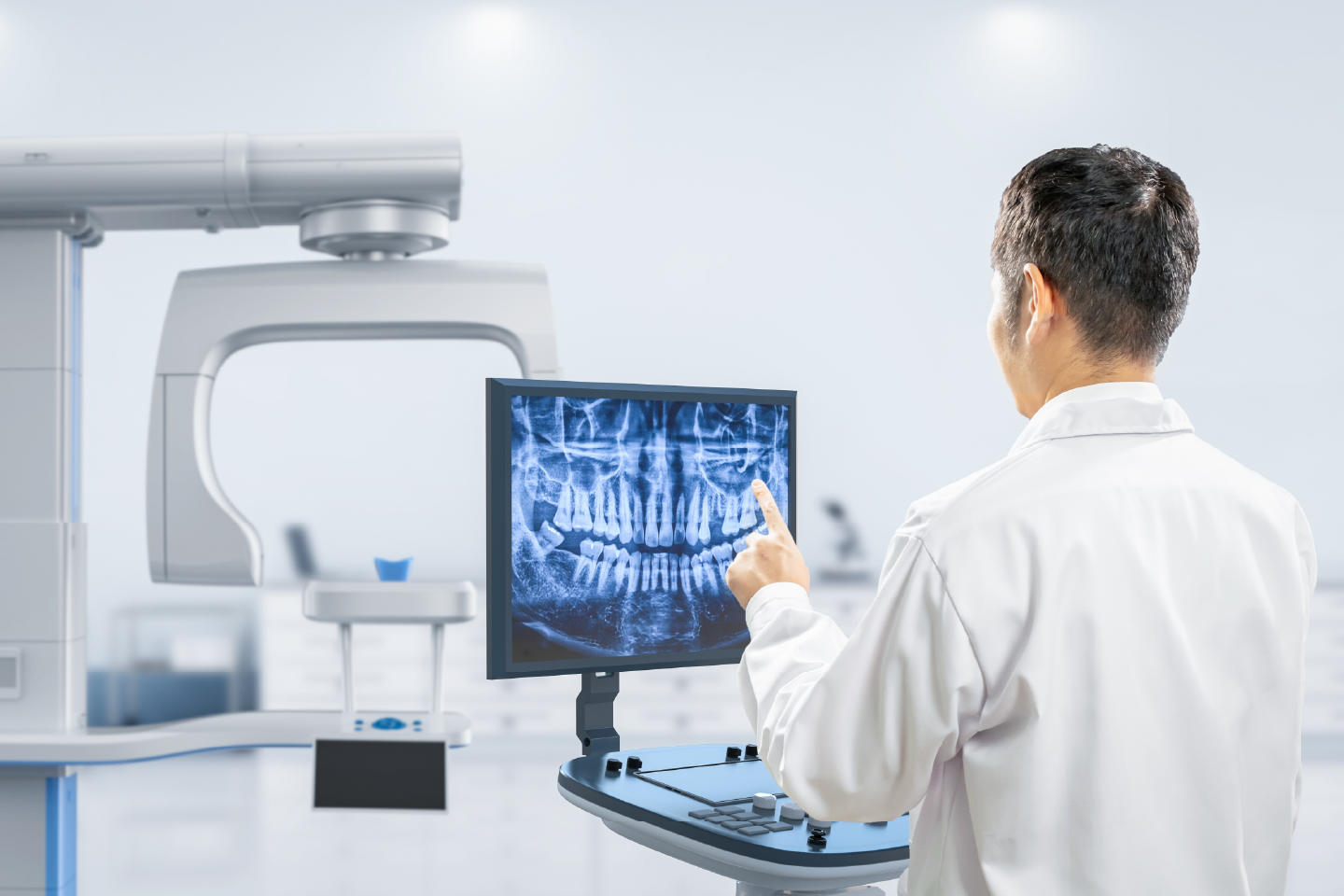
The process begins with a thorough assessment of your dental history, oral health, and specific concerns. The dentist will identify the muscles contributing to your symptoms and determine whether Botox is an appropriate treatment.
During treatment, small doses of Botox are injected into targeted muscles. The procedure is minimally invasive and usually well-tolerated. The number of injections and dosage depend on the severity of the condition and the size of the muscles involved.
The effects of dental Botox typically become noticeable within a few days to two weeks. The results are temporary, generally lasting three to six months, after which repeat treatments may be recommended if symptoms persist.
Patients are monitored for response to treatment and any potential side effects. Follow-up appointments ensure that the dosage remains appropriate and that symptom relief is maintained over time.
Dental Botox is generally safe when administered by a qualified dental professional. Possible temporary side effects may include mild swelling, bruising at the injection site, or slight discomfort. Patients should inform their dentist of any medical conditions or medications that could affect treatment.
Botox is not suitable for everyone. Pregnant or breastfeeding individuals, those with certain neuromuscular disorders, or those with allergies to the components of Botox should avoid treatment. Your dentist will conduct a full medical review before proceeding.
While Botox can address muscular causes of dental problems, it is most effective when combined with other strategies:
A comprehensive approach ensures long-term relief and maintains dental and muscular health.
Dental Botox is an effective tool for managing a range of dental and muscular conditions, particularly bruxism, TMJ disorders, and certain types of facial pain. By reducing muscle overactivity it can protect teeth, alleviate discomfort, and improve oral function.
If you experience jaw tension, teeth grinding, or facial pain, a consultation at Alpha Dental Group can help determine whether dental Botox is suitable for you. Our dental team will assess your condition, discuss all treatment options, and provide guidance on a personalised management plan to support long-term oral and facial health.






.svg)


