


.svg)










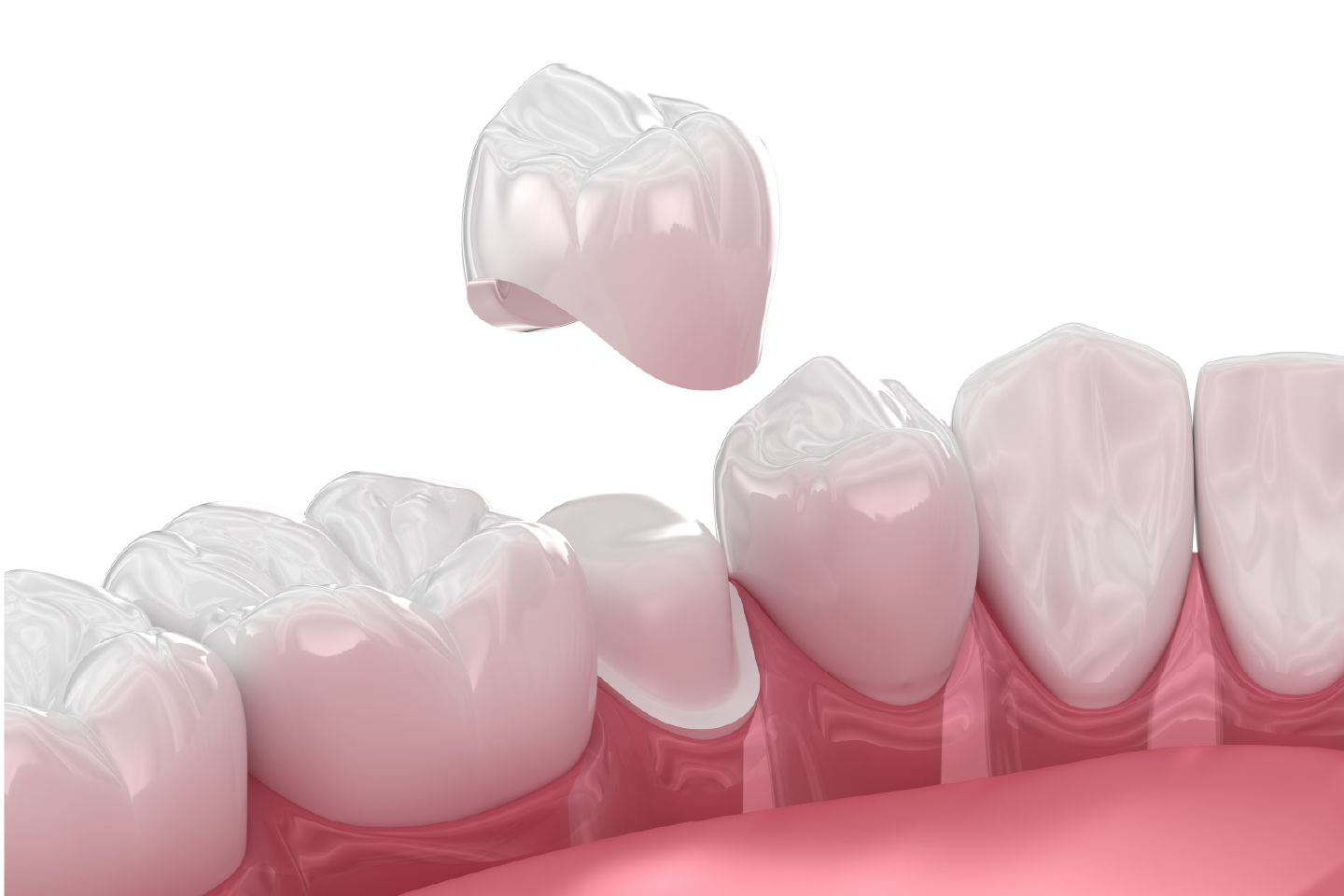
Dental crowns are a common and reliable solution in restorative dentistry, helping to strengthen weakened teeth, restore function, and improve appearance. A crown is essentially a custom-made cap placed over a tooth to protect it and ensure it continues to perform effectively in the mouth. This treatment is often recommended when a tooth has been significantly damaged or compromised but can still be preserved rather than removed.
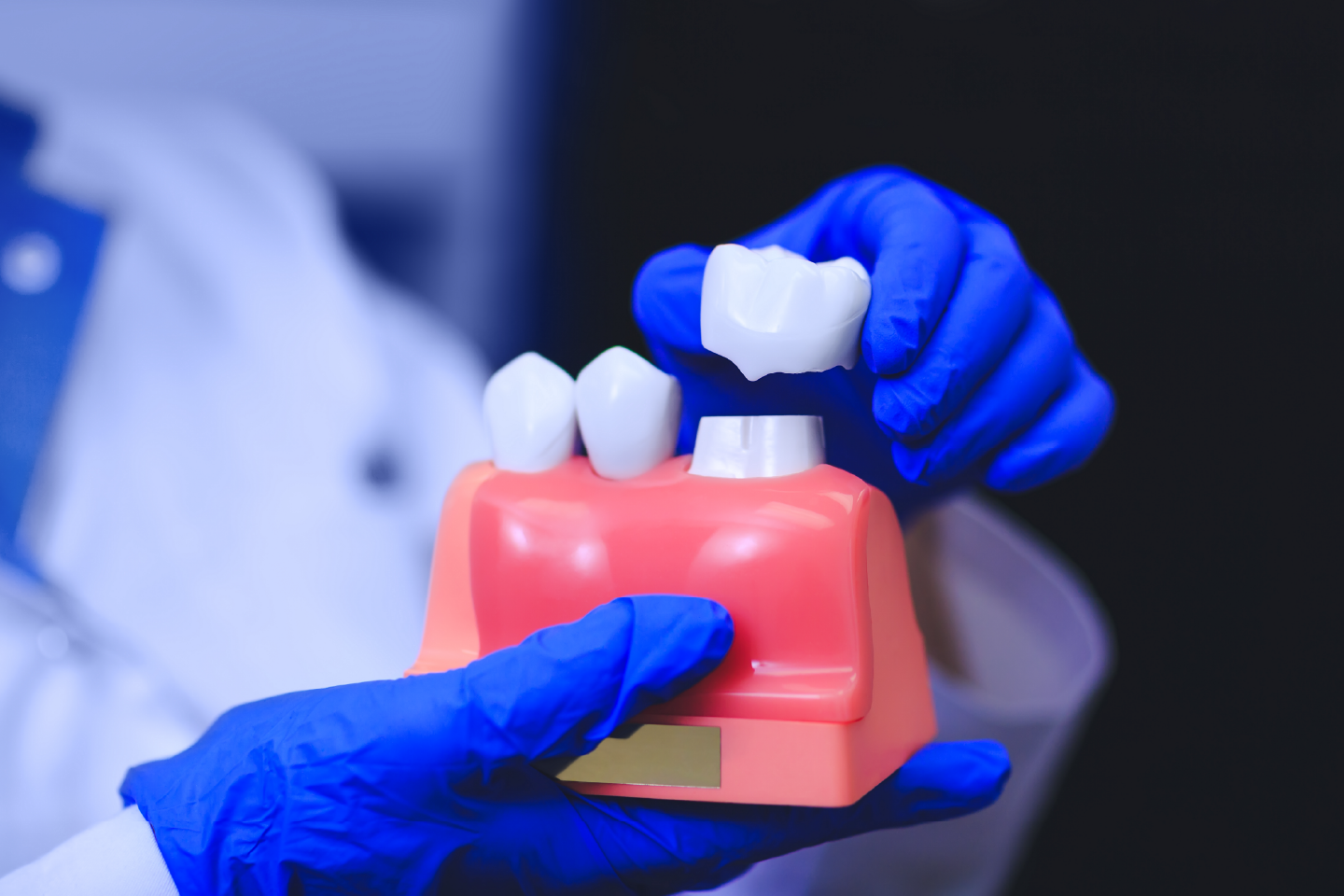
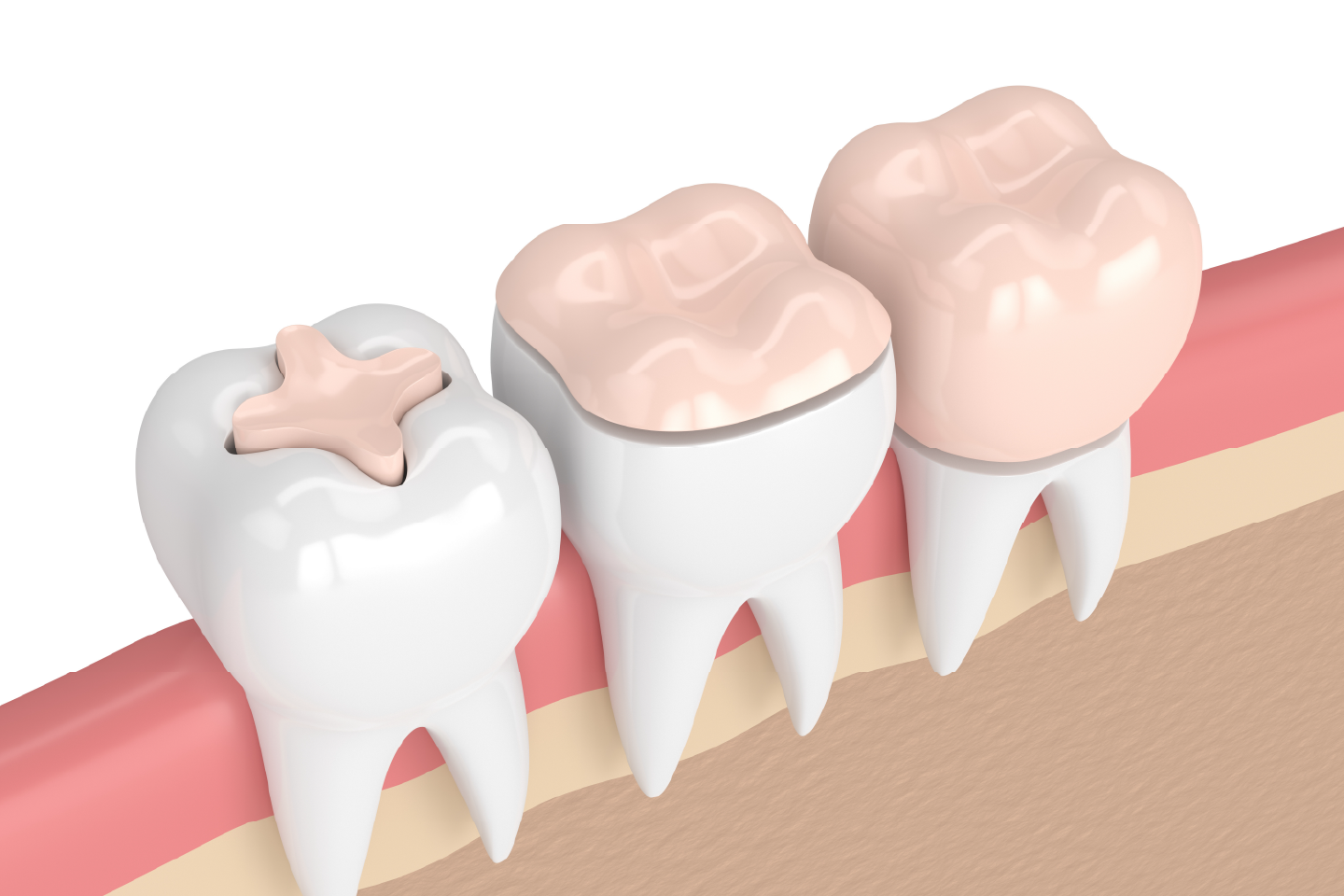
A dental crown is a covering that is placed over an existing tooth. It is designed to replicate the shape, size, and colour of your natural teeth so that it blends seamlessly into your smile. Unlike fillings, which only repair part of a tooth, a crown covers the entire visible portion above the gum line. This full coverage makes it a durable and protective solution for teeth that are at risk of further damage.
Crowns can be made from a variety of materials, including porcelain, ceramic, metal alloys, or a combination of these. The choice of material often depends on the location of the tooth, its function, and aesthetic preferences.
There are several reasons a dentist may recommend a crown as part of your treatment plan. Some of the most common include:
By restoring structure and function, a crown allows patients to bite and chew normally, while also protecting the underlying tooth.
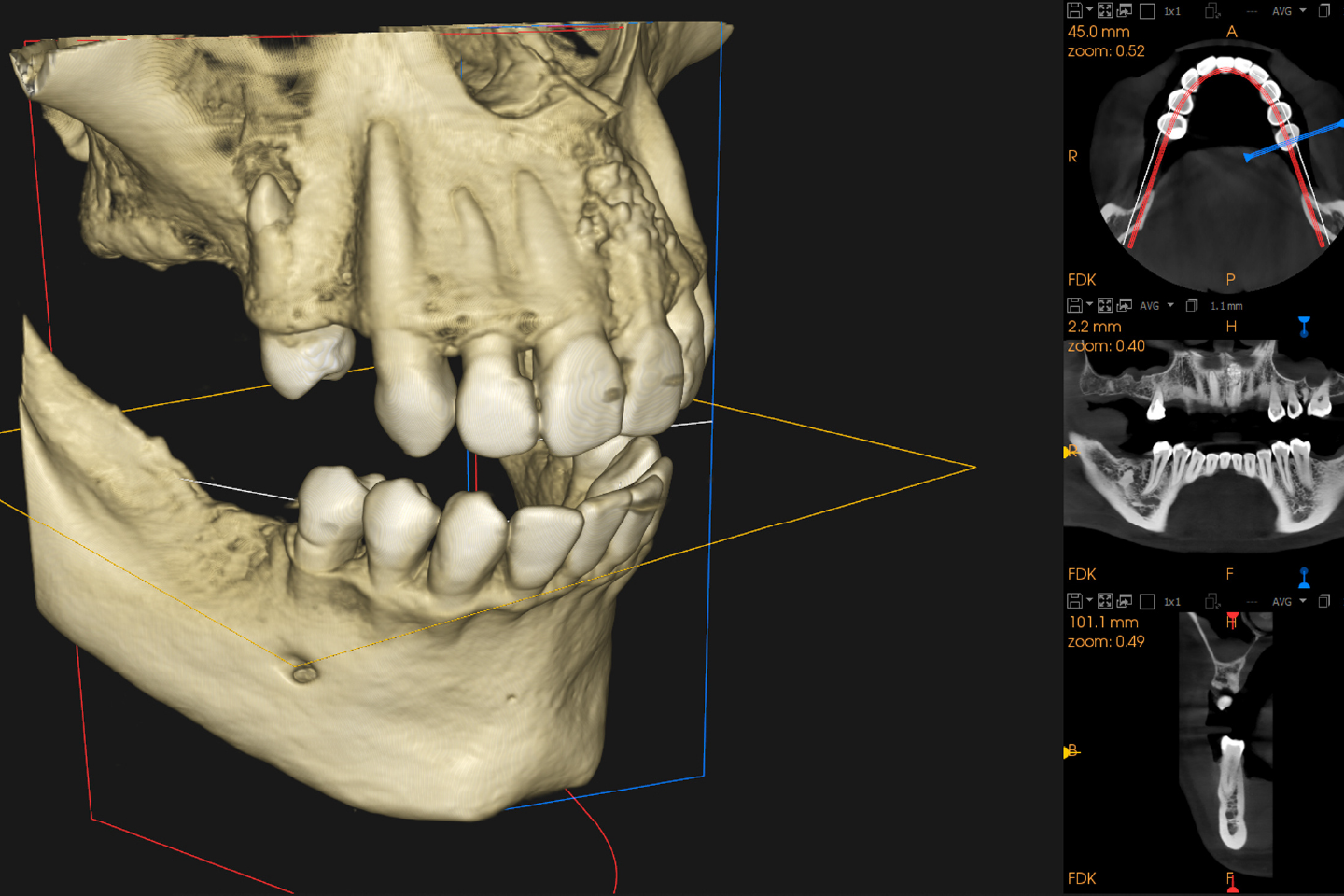
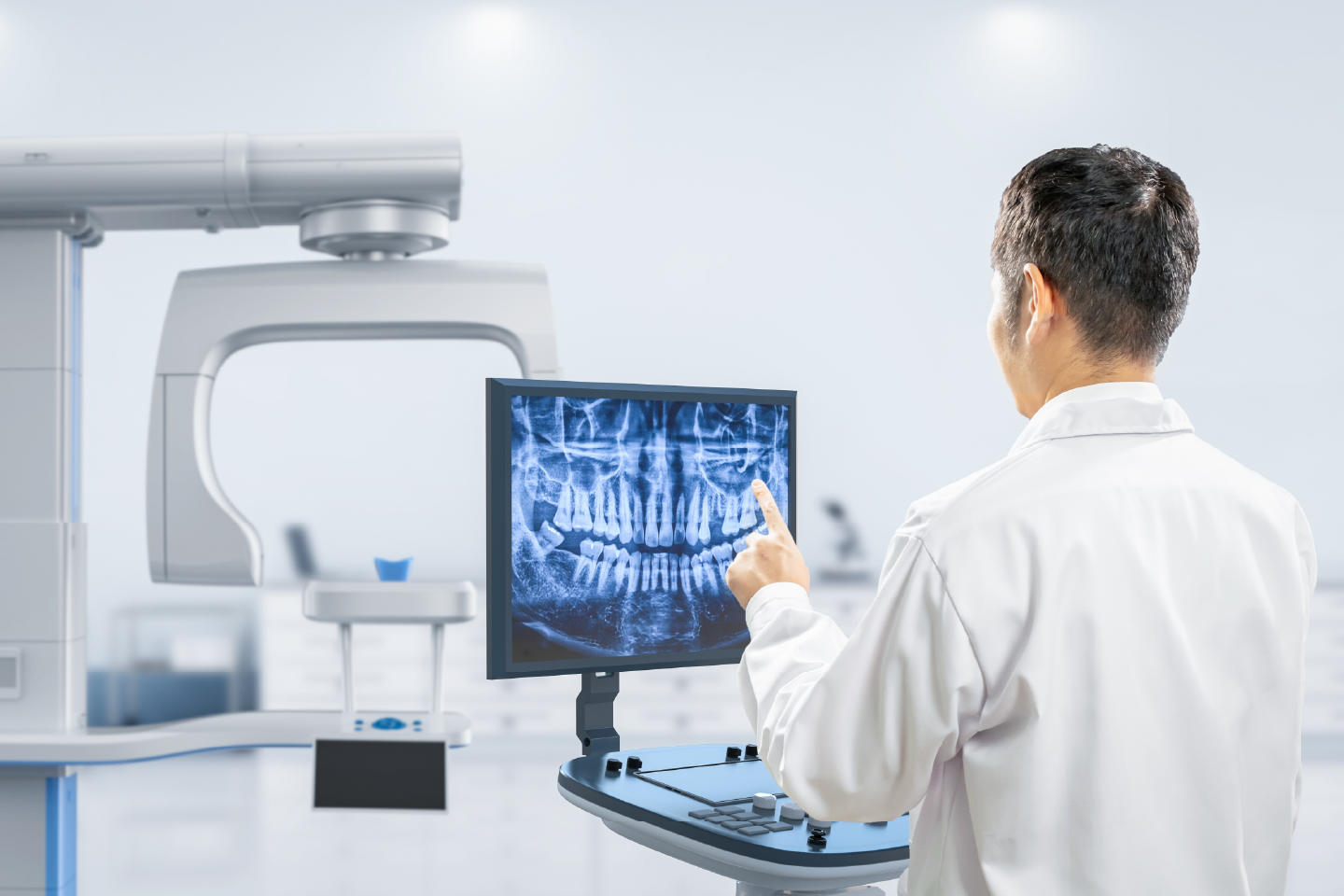
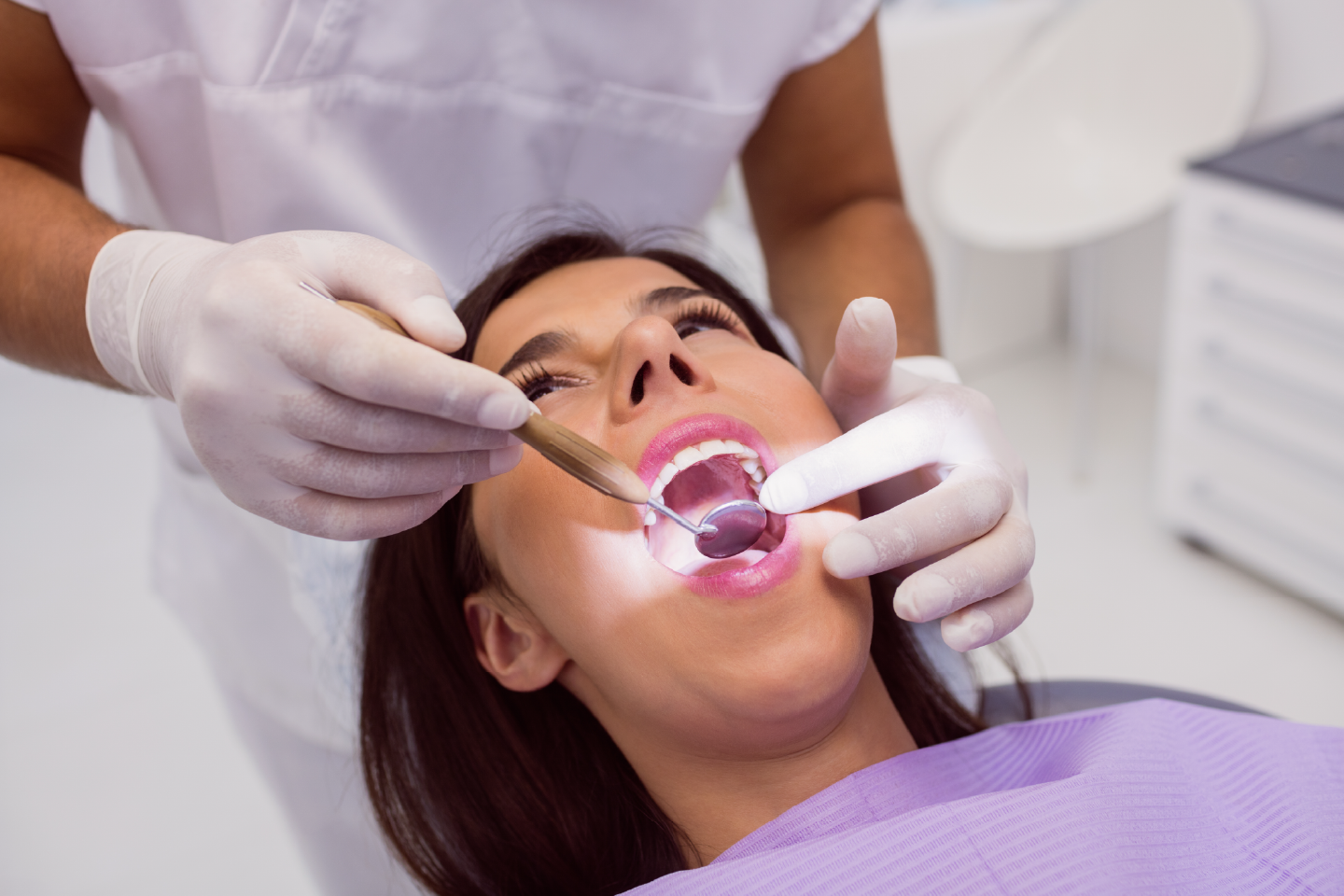
The process begins with a consultation and a detailed examination of the tooth in question. X-rays may be taken to assess the health of the roots and surrounding bone. Your dentist will determine whether a crown is the most suitable option or if another type of restoration would be more appropriate.
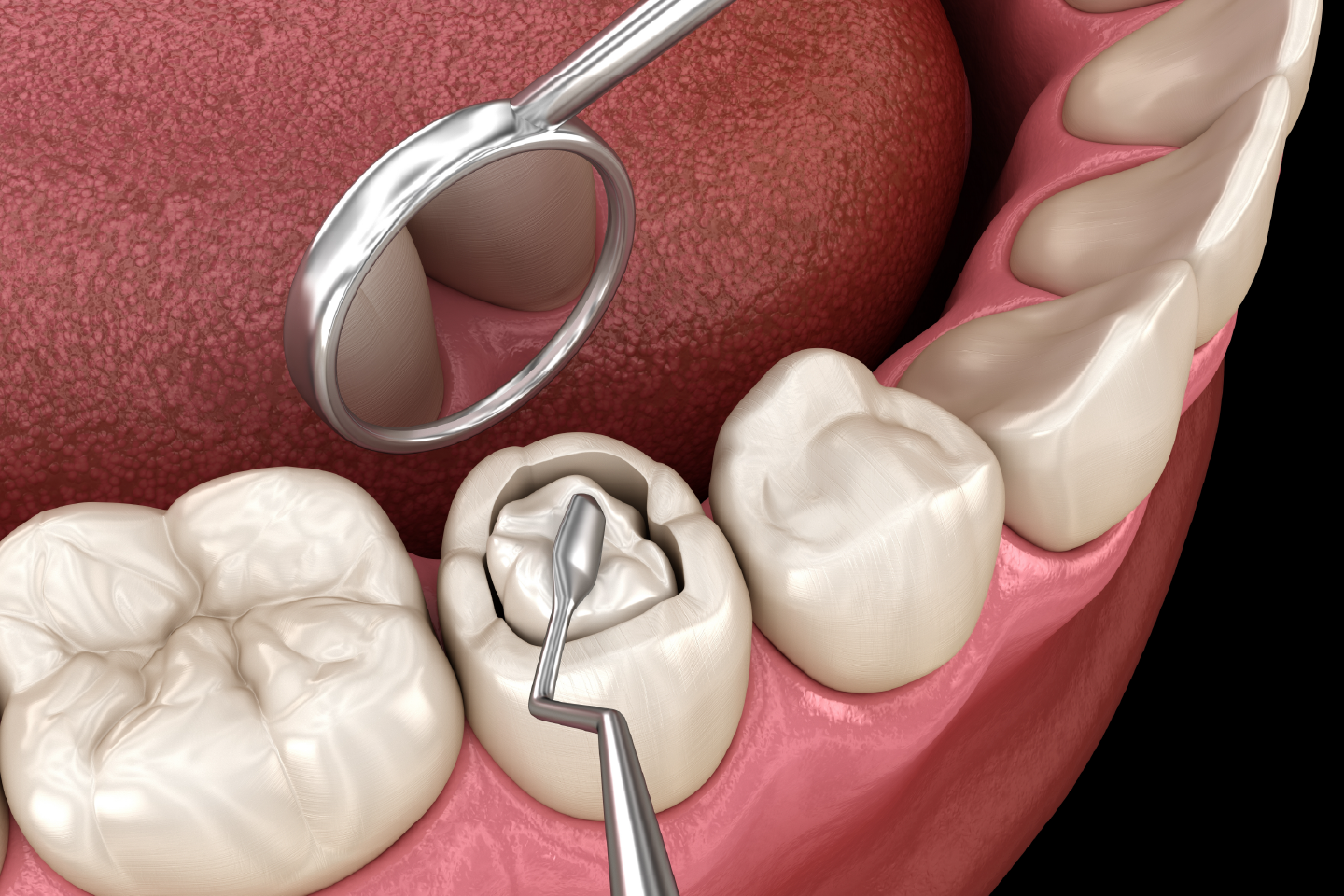
If a crown is the chosen treatment, the tooth is first prepared. This involves shaping the tooth to create enough space for the crown to fit securely while maintaining a natural bite. In cases where the tooth has lost a lot of structure, a filling material may be used to build it up before crown placement.
Once prepared, impressions of your teeth are taken to create a model. This ensures the crown is precisely designed to match your bite and appearance. A temporary crown is often placed to protect the tooth while the permanent crown is being fabricated.
When the permanent crown is ready, it is checked for fit, shape, and colour match. Adjustments can be made before it is permanently cemented in place. Once fitted, the crown should look and feel like a natural tooth.
There are different types of crowns available, each with distinct advantages:
The choice of crown depends on the balance between function, durability, and appearance, as well as patient preference.
Although a crown is strong and designed to last many years, good oral care remains essential. To maintain your crown, it is important to:
With proper care, a dental crown can last between 10 and 15 years or longer.
If you have a damaged, worn, or weakened tooth, or if you experience pain when chewing, sensitivity, or visible cracks, it is worth discussing crowns with your dentist. Early intervention often means better preservation of your natural tooth and less invasive treatment overall.
Dental crowns provide a reliable and effective solution for protecting and restoring damaged teeth. By covering and strengthening weakened structures, they allow patients to maintain comfort, function, and appearance. The procedure is routine, carefully planned, and tailored to individual needs, making it a cornerstone of modern restorative dentistry.
If you are experiencing discomfort from a damaged tooth or wish to discuss whether a crown may be right for you, consider booking a consultation with Alpha Dental Group. Our team will assess your oral health, explain your treatment options, and guide you in making an informed decision tailored to your needs.









.svg)


