


.svg)










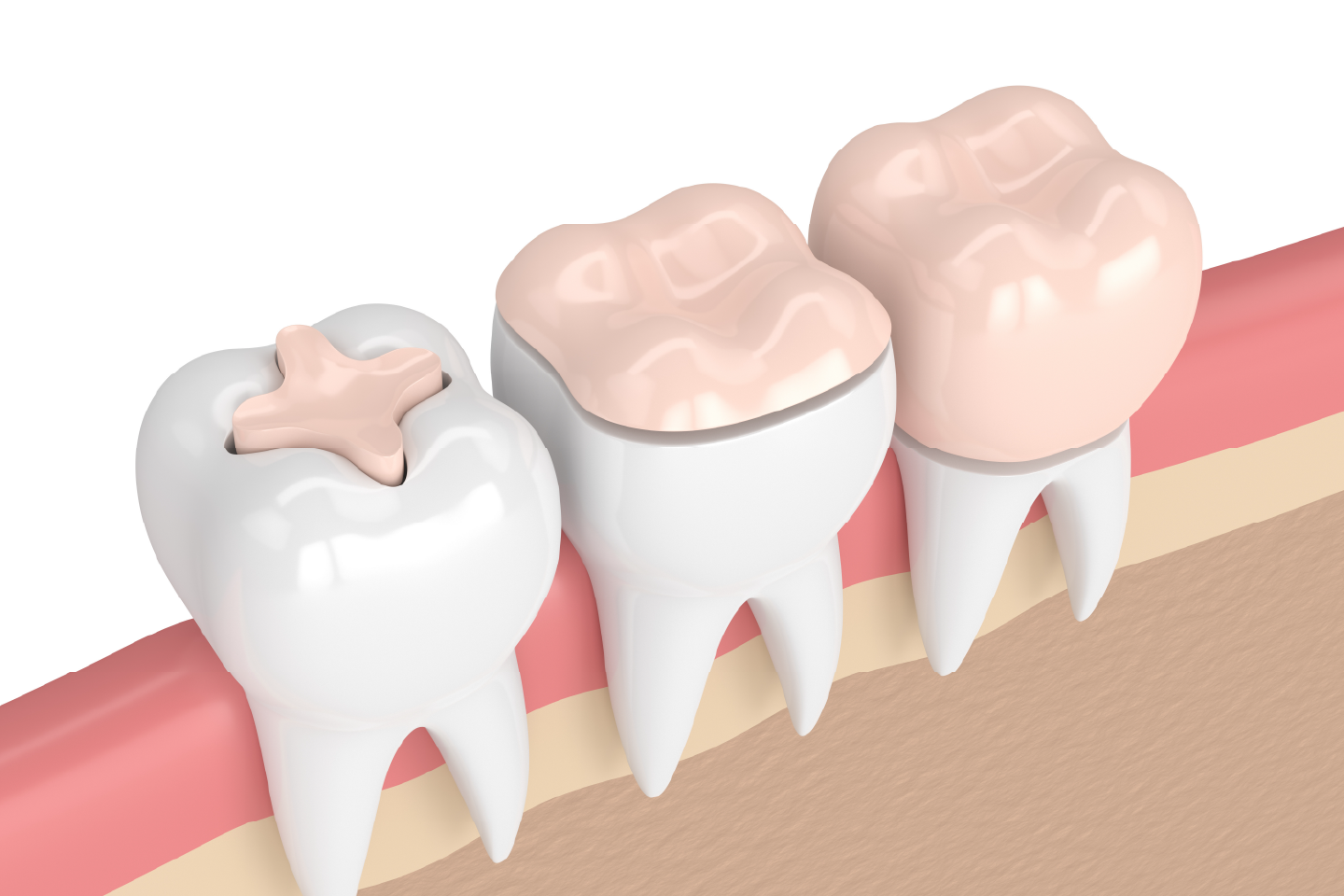
When a tooth is damaged by decay or fracture, but not to the extent that it requires a crown, an inlay or onlay may provide an effective restorative solution. These treatments are often described as a middle ground between dental fillings and crowns, offering strength and durability while preserving as much of the natural tooth as possible.
Inlays and onlays are custom-made restorations, designed in a dental laboratory and then bonded securely to the affected tooth. They are crafted from materials such as porcelain, composite resin, or sometimes gold, depending on the needs of the patient and the clinical recommendation.
At Alpha Dental Group, inlays and onlays are offered as part of a comprehensive approach to restoring teeth and maintaining oral health. They are often recommended when a standard filling may not be strong enough, but a full crown would be more treatment than the tooth requires.
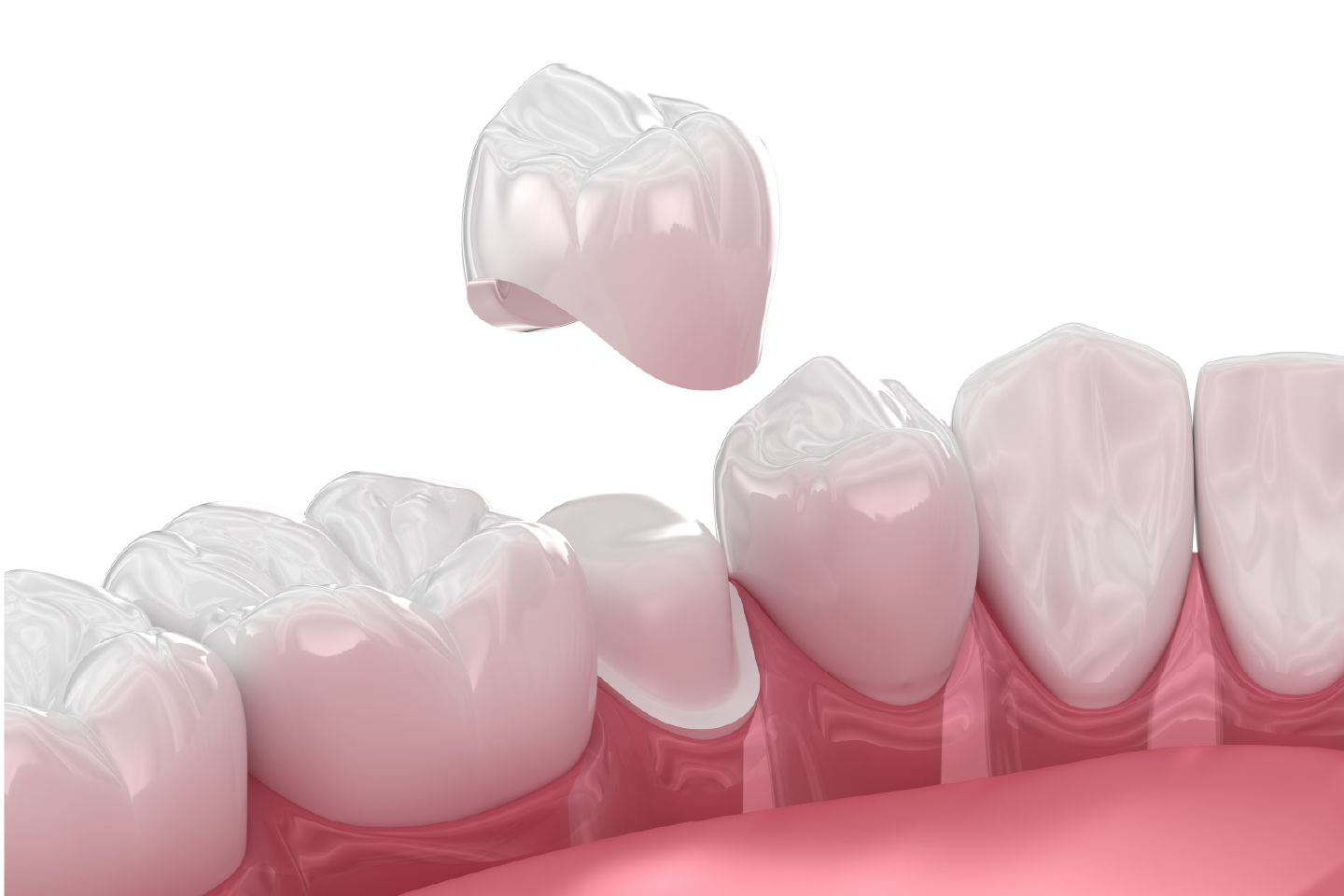
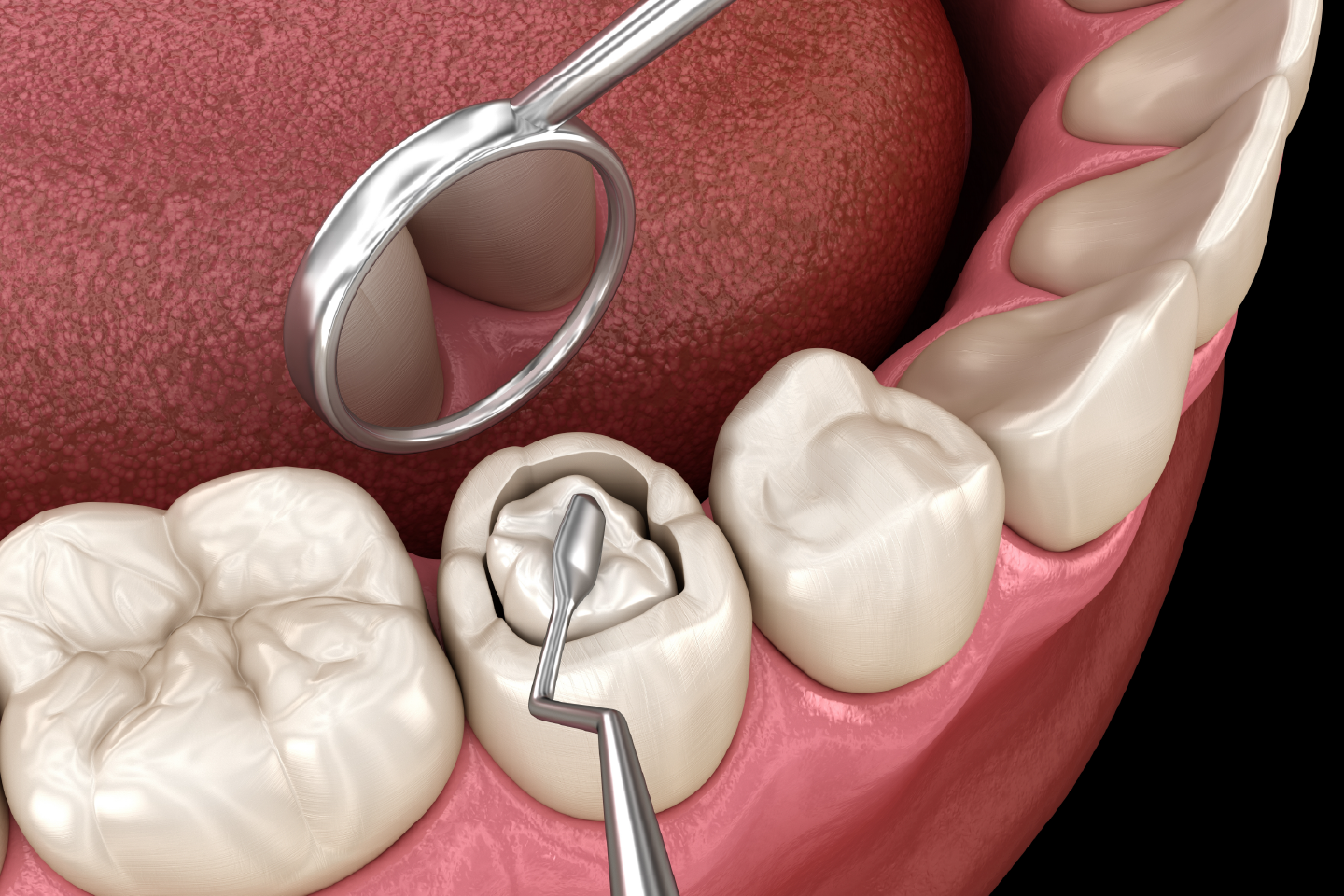
An inlay is used when the damage is confined within the cusps (the raised points) of a tooth. It fits neatly into the prepared space, providing a stable and strong replacement for the decayed or damaged portion of the tooth.
Onlays, sometimes called “partial crowns,” cover a larger portion of the tooth. They extend beyond the cusps, helping to restore both the function and structure of the tooth while avoiding the need for a full crown. Both restorations are designed to blend seamlessly with the natural tooth, ensuring a discreet and functional outcome.
Inlays and onlays may be recommended in several scenarios, such as:
They are particularly effective in molars and premolars, where chewing forces are greatest.
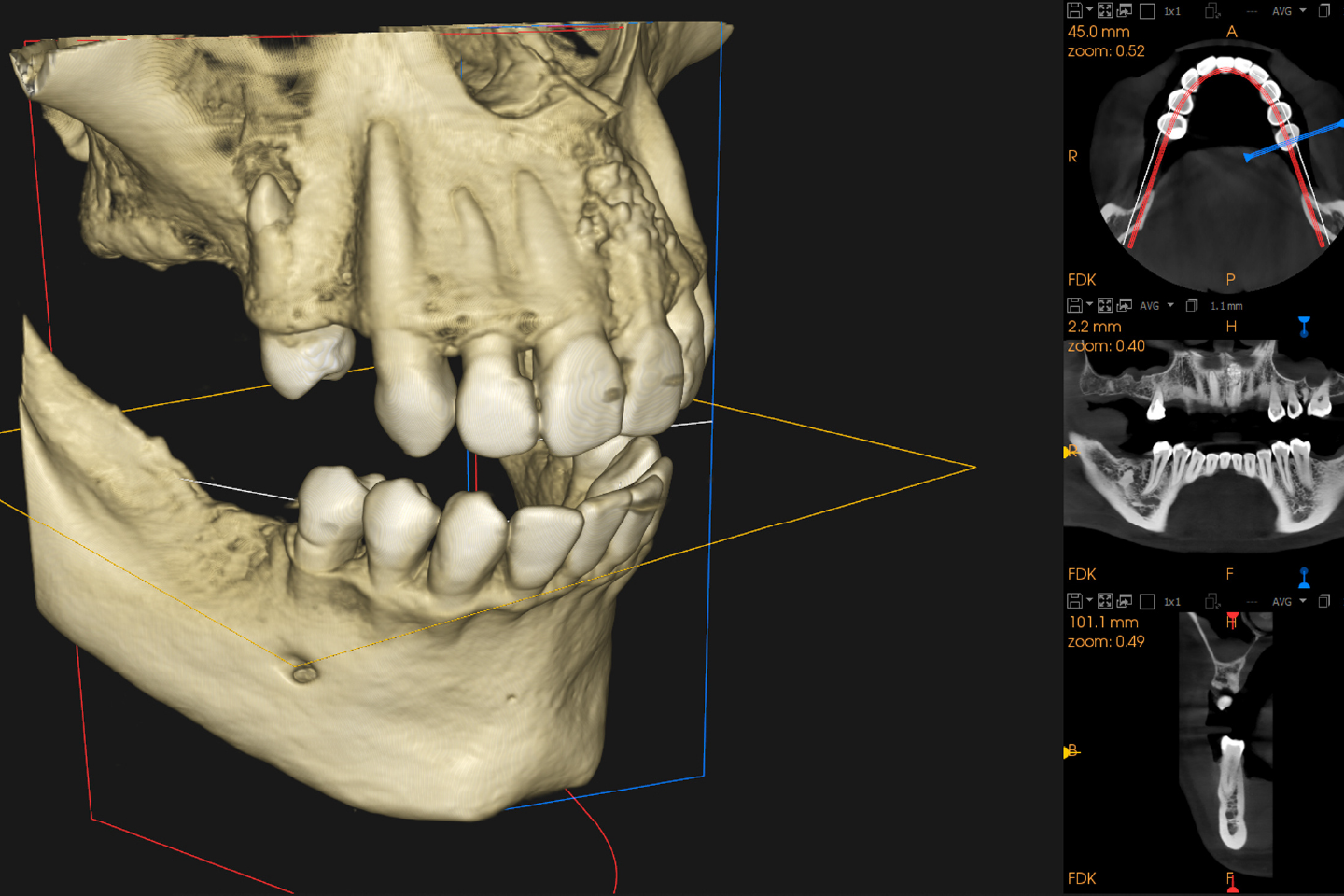
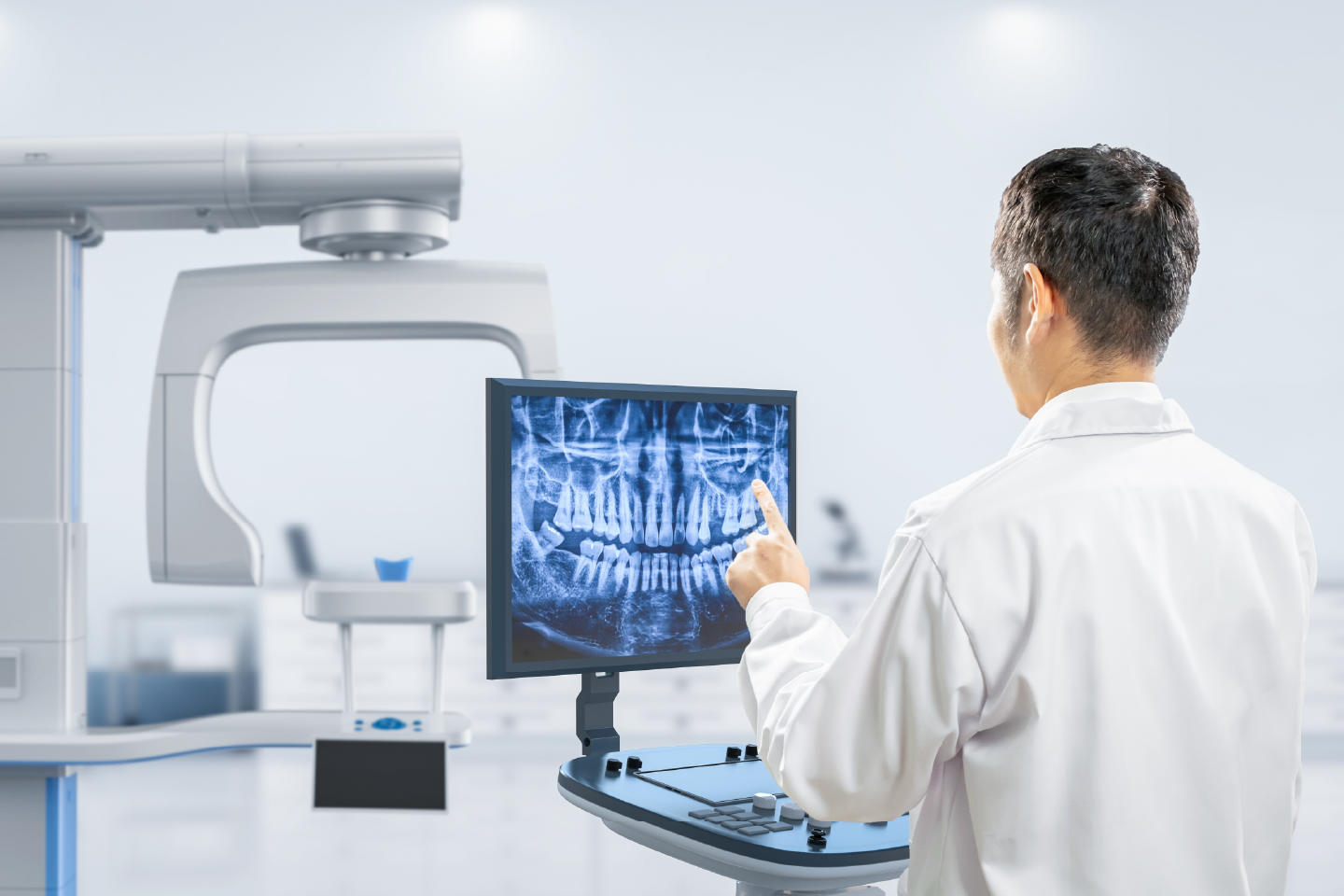
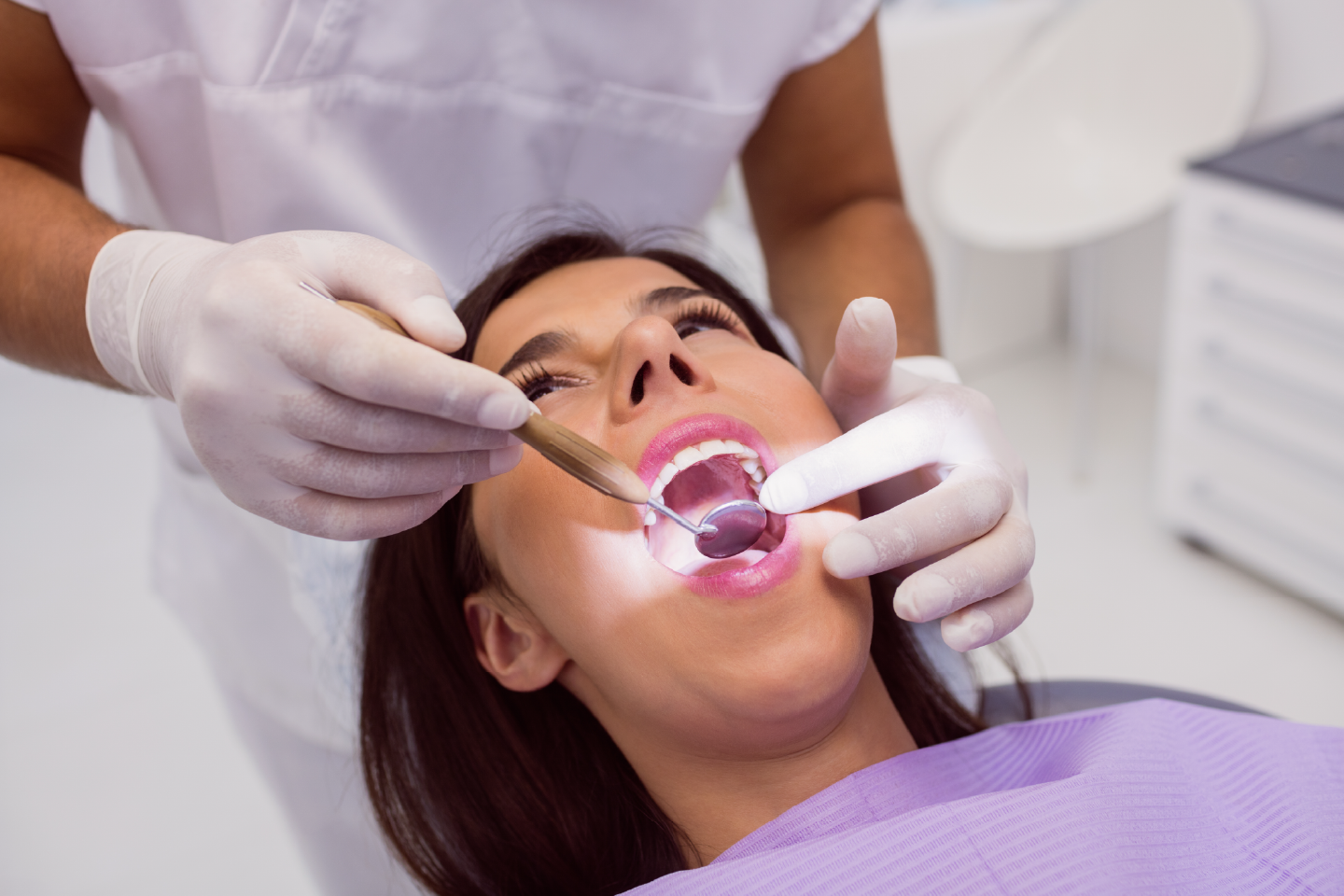
The process begins with a clinical assessment and, if needed, diagnostic imaging. This allows the dentist to determine whether an inlay, an onlay, or another form of restoration is the most suitable treatment.
Once the decision has been made, the damaged or decayed part of the tooth is carefully removed, and the area is shaped to receive the restoration. An impression or digital scan is then taken, which is used to create a custom restoration in the dental laboratory.
In some cases, a temporary filling may be placed to protect the prepared tooth while the final restoration is being made.
At a subsequent appointment, the custom-made inlay or onlay is bonded to the tooth with dental adhesive. The restoration is then polished and adjusted for a comfortable bite.
The choice of material depends on the location of the tooth, the patient’s preference, and the functional demands of the restoration.
Inlays and onlays provide several benefits over traditional fillings and, in some cases, crowns:
Maintaining inlays and onlays is similar to caring for natural teeth. Regular brushing with fluoride toothpaste, daily flossing, and routine dental check-ups are essential. Patients should also avoid habits that can damage restorations, such as biting on hard objects.
If properly cared for, inlays and onlays can remain functional and aesthetically pleasing for a long time.
While inlays and onlays are effective, alternatives may also be considered depending on the condition of the tooth:
Your dentist will discuss these options and help determine the most appropriate treatment.
Inlays and onlays provide a reliable and conservative solution for teeth that need more than a filling but less than a crown. They restore function, improve appearance, and support long-term dental health.
If you have a tooth that may require restoration, booking a consultation at Alpha Dental Group allows you to explore whether an inlay or onlay is the right choice for you. Our dental team will assess your needs, explain your options, and help you make an informed decision about your oral health.









.svg)


