


.svg)











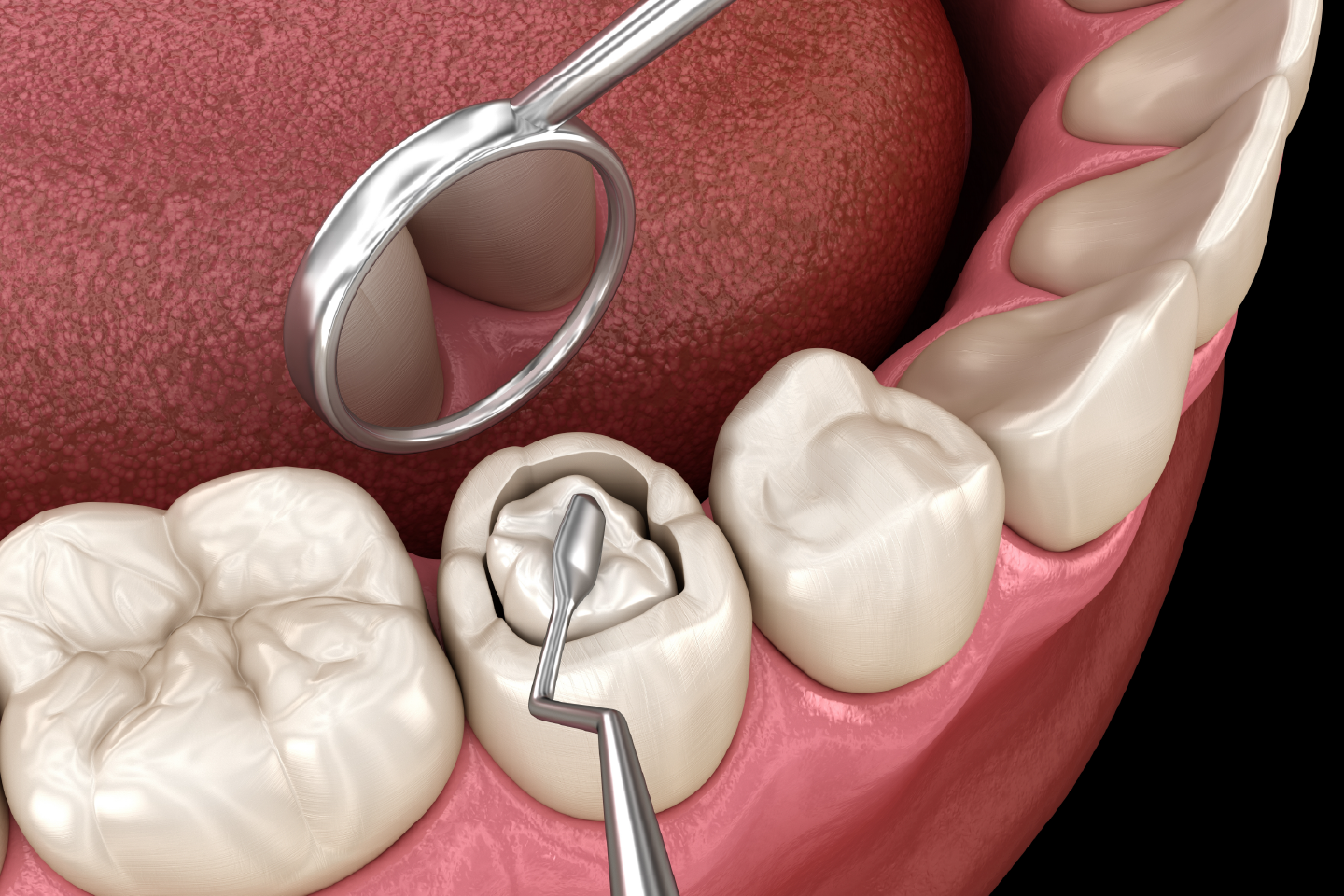
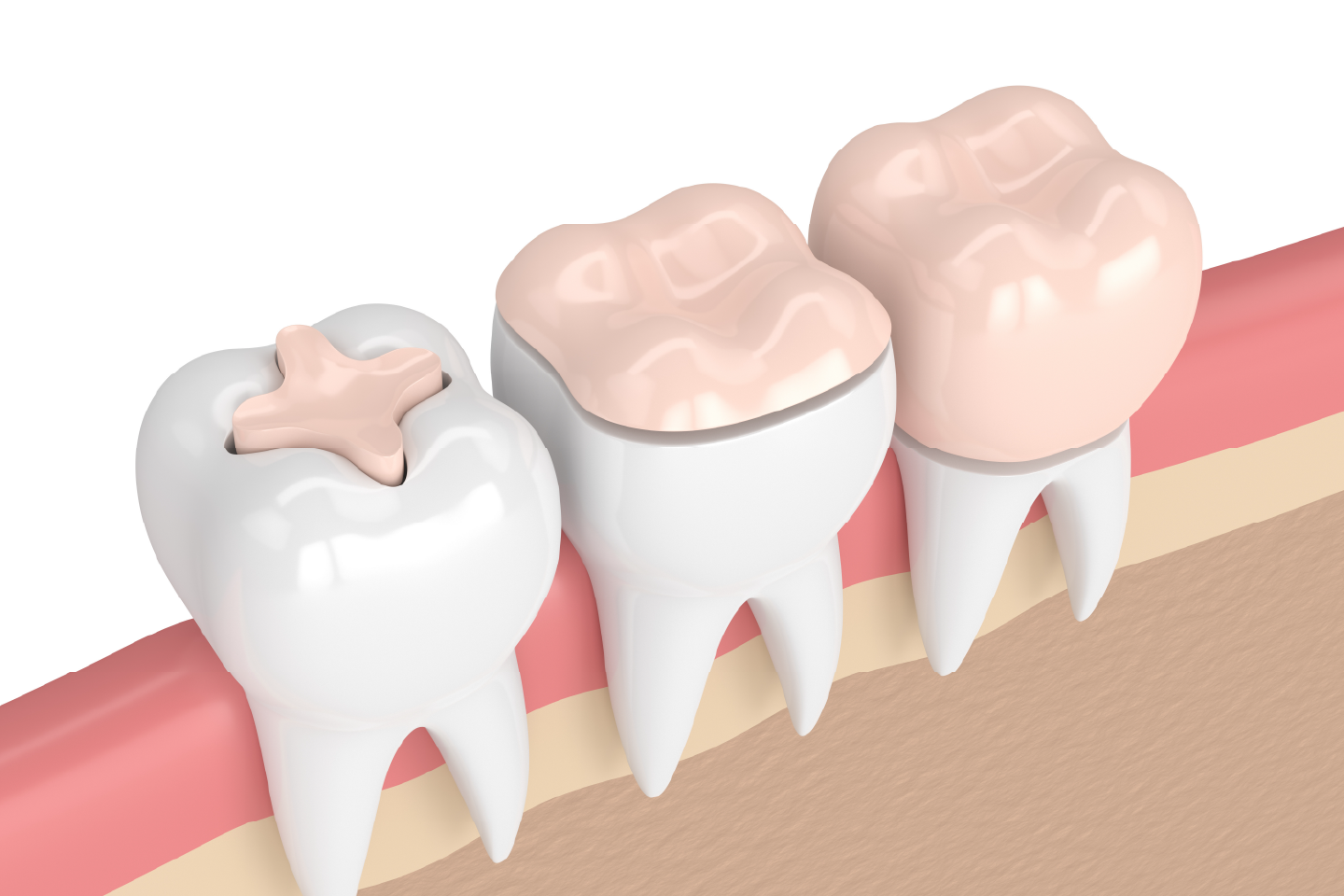
Dental fillings are one of the most common treatments in dentistry, used to restore teeth that have been damaged by decay, wear, or minor fractures. When a tooth develops a cavity, bacteria erode the enamel and dentine, leading to discomfort, sensitivity, and potential infection if left untreated. A filling repairs the affected area by replacing the damaged portion of the tooth with a restorative material, helping to protect the tooth’s structure and prevent further deterioration.
Fillings not only restore function, such as chewing and speaking, but also maintain the appearance of the tooth. Modern materials and techniques make it possible for fillings to blend naturally with surrounding teeth, ensuring durability and aesthetics.
Fillings are typically recommended in situations where a tooth has been weakened or damaged, but not to the extent that more complex treatments such as crowns or root canal therapy are required. Common reasons for a filling include:
Early treatment is important. Leaving cavities untreated allows decay to spread deeper into the tooth, which may lead to pain, infection, and the need for more extensive dental care.
Several types of filling materials are available, each with unique properties. The choice depends on the location of the cavity, the size of the restoration, and the patient’s preferences.
Made from a mixture of metals including silver, mercury, tin, and copper, amalgam fillings have been used for many years. They are strong and durable, making them suitable for back teeth where biting forces are greater. However, their metallic colour makes them more noticeable compared to other materials.
Composite resin fillings are tooth-coloured and can be closely matched to the shade of natural teeth. They are a popular option for visible areas such as front teeth. Composite materials bond directly to the tooth, offering good support, though they may not last as long as amalgam in large cavities.
Glass ionomer fillings release fluoride, which can help protect the tooth from further decay. They are usually used in areas with less biting pressure, such as near the gum line or in children’s teeth.
Ceramic or porcelain fillings are highly aesthetic and resistant to staining. They are custom-made in a dental laboratory and can last for many years. These are generally more costly than other options but offer excellent appearance and strength.
Gold fillings are strong and durable, but are less commonly chosen due to their noticeable colour and higher cost. They may last decades if well-maintained.
The process of receiving a dental filling is straightforward and typically completed in a single visit.
Most procedures take less than an hour, and patients can usually resume normal activities soon afterwards.
With proper care, fillings can last many years. To maintain them:
Fillings may wear down over time and need replacement. Regular dental visits ensure they remain effective and secure.
Like any dental treatment, fillings carry some considerations. Sensitivity to hot or cold foods may occur after placement, but this often settles within a few days. In rare cases, patients may experience an allergic reaction to certain materials. Large cavities may require more extensive restorations in the future. Discussing the most suitable filling type with a dentist helps in making an informed decision.
Preventive dental care plays a key role in avoiding cavities and the need for fillings. Good oral hygiene habits, regular dental check-ups, professional cleanings, and a balanced diet all contribute to maintaining strong, healthy teeth. Using fluoride toothpaste and considering dental sealants for children may further reduce the risk of decay.
Dental fillings are a reliable solution for restoring teeth affected by decay or minor damage. They protect the remaining tooth structure, restore normal function, and can be matched to natural tooth colour for an aesthetic result. Timely treatment helps prevent more serious dental issues in the future.
If you have concerns about cavities, damaged teeth, or worn restorations, scheduling a consultation is an important step. At Alpha Dental Group, we provide dental fillings as part of our comprehensive care, helping patients maintain healthy and functional smiles.











.svg)


