


.svg)










Temporomandibular joint (TMJ) disorders are conditions affecting the joint that connects the jaw to the skull. TMJ issues can lead to discomfort in the jaw, face, neck, and even shoulders. They may also cause difficulties with chewing, speaking, and general oral function. While the causes can vary, TMJ problems often arise from muscle tension, teeth grinding, trauma, or misalignment of the jaw.
At Alpha Dental Group, we provide assessment and management options for TMJ pain, aiming to relieve discomfort, restore function, and improve quality of life.
The temporomandibular joint functions like a sliding hinge, allowing the jaw to move up and down and side to side. Problems with this joint or the surrounding muscles can result in a variety of symptoms, including:
TMJ disorders may develop gradually or following an injury, dental issues, or long-term habits such as teeth grinding or jaw clenching.
Excessive clenching or grinding of the teeth (bruxism) can strain the muscles surrounding the jaw joint, leading to pain and stiffness.
When teeth or jaw position do not align correctly, uneven pressure can affect the TMJ, causing discomfort over time.
Direct trauma to the jaw, such as a fall, accident, or sports injury, can impact the TMJ and surrounding muscles.
Degenerative joint conditions, including osteoarthritis, can affect the temporomandibular joint, leading to pain, inflammation, and reduced mobility.
Emotional stress may lead to unconscious clenching or jaw tension, contributing to TMJ discomfort.
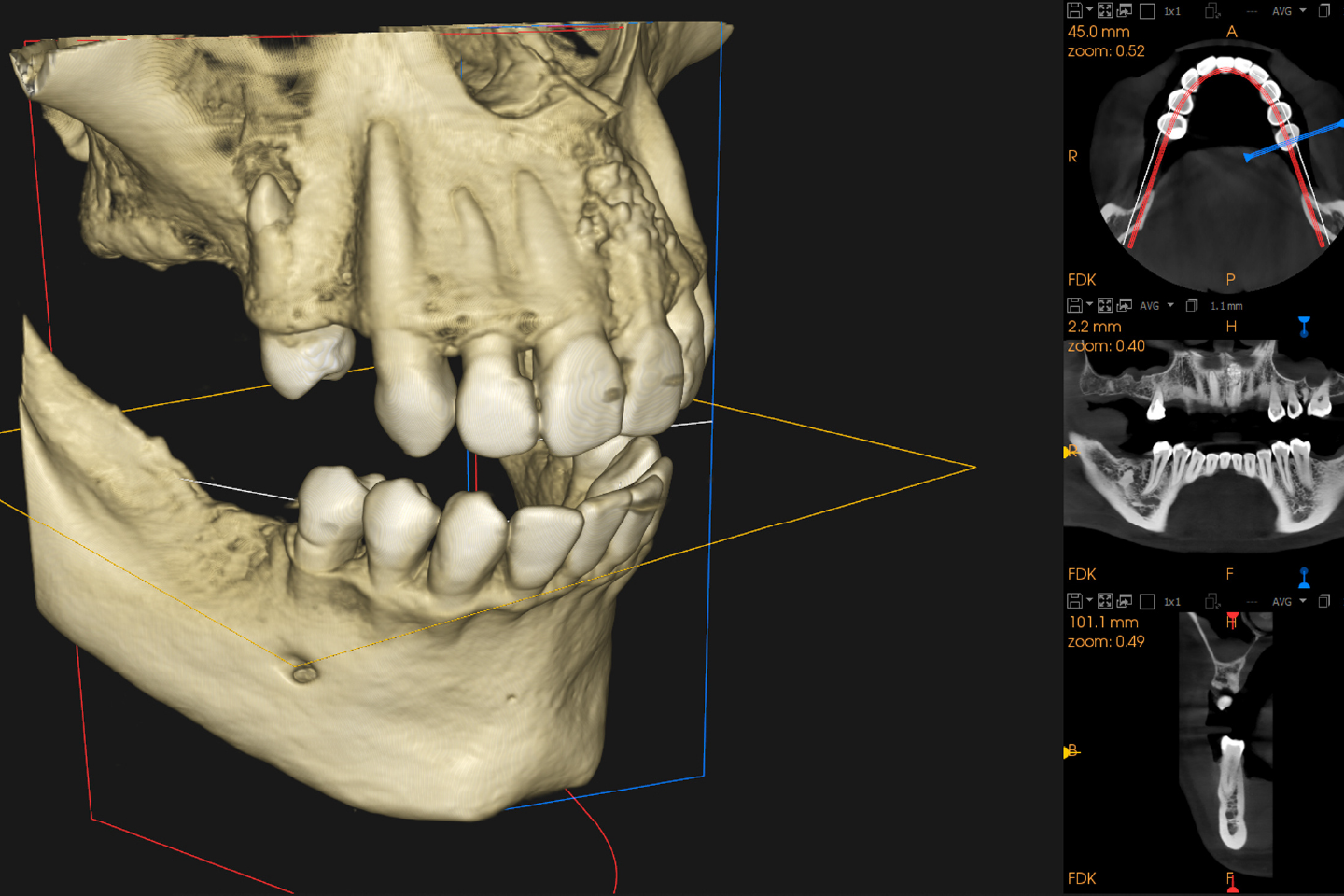
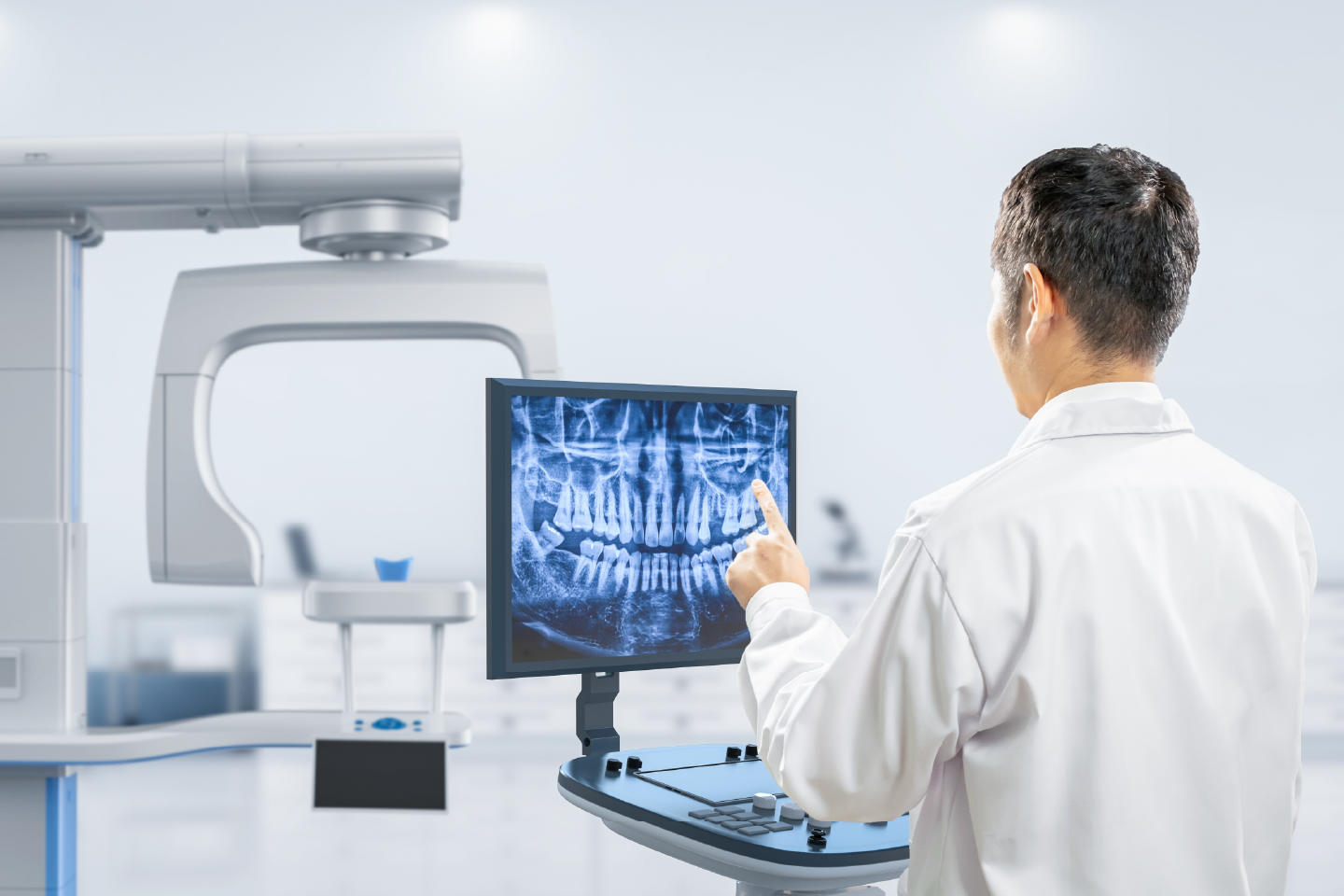
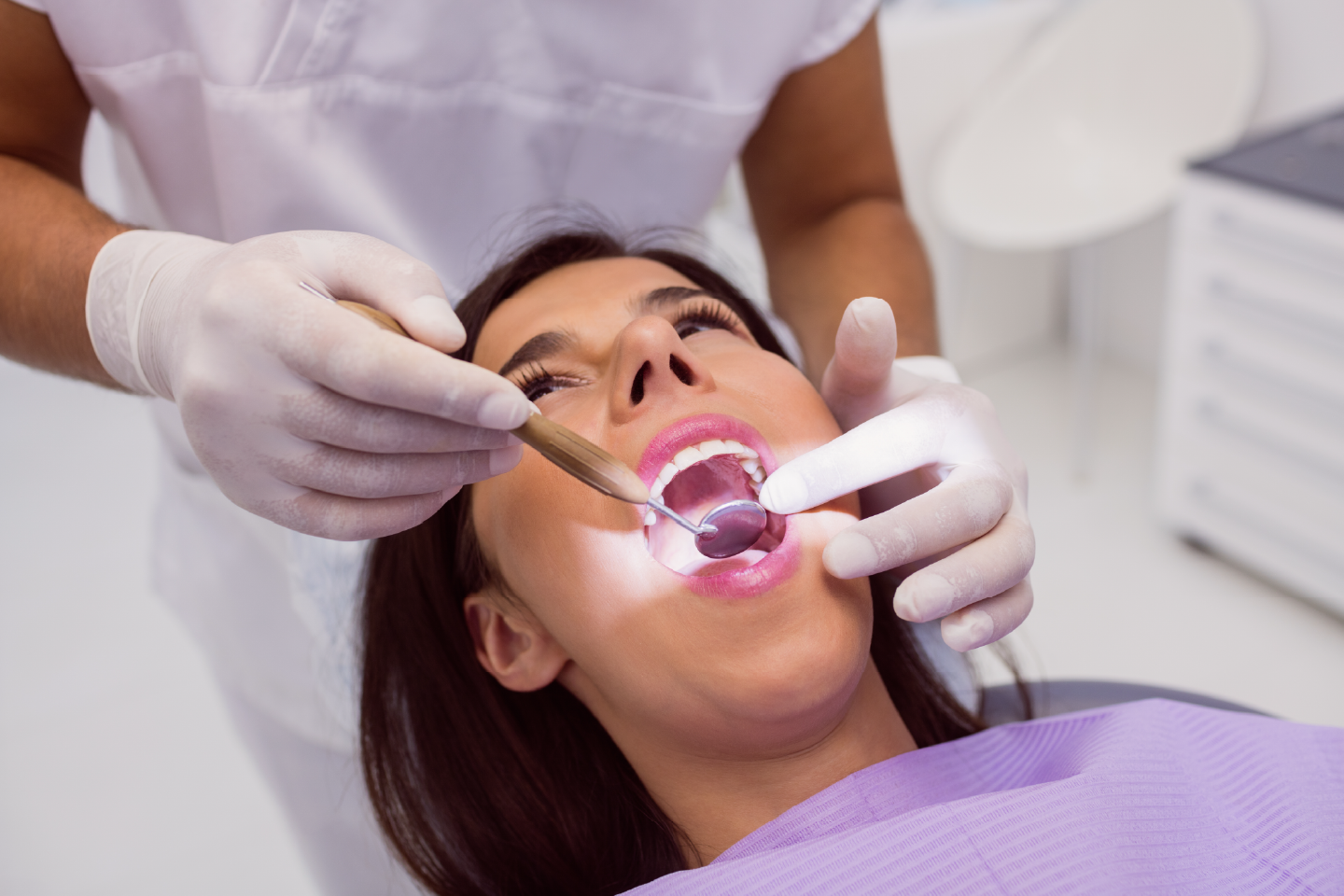
Effective TMJ management begins with a thorough assessment. This typically includes:
Accurate diagnosis is essential to determine the most appropriate management approach and ensure that symptoms are addressed effectively.
Simple changes can often reduce strain on the jaw and relieve discomfort. Recommendations may include:
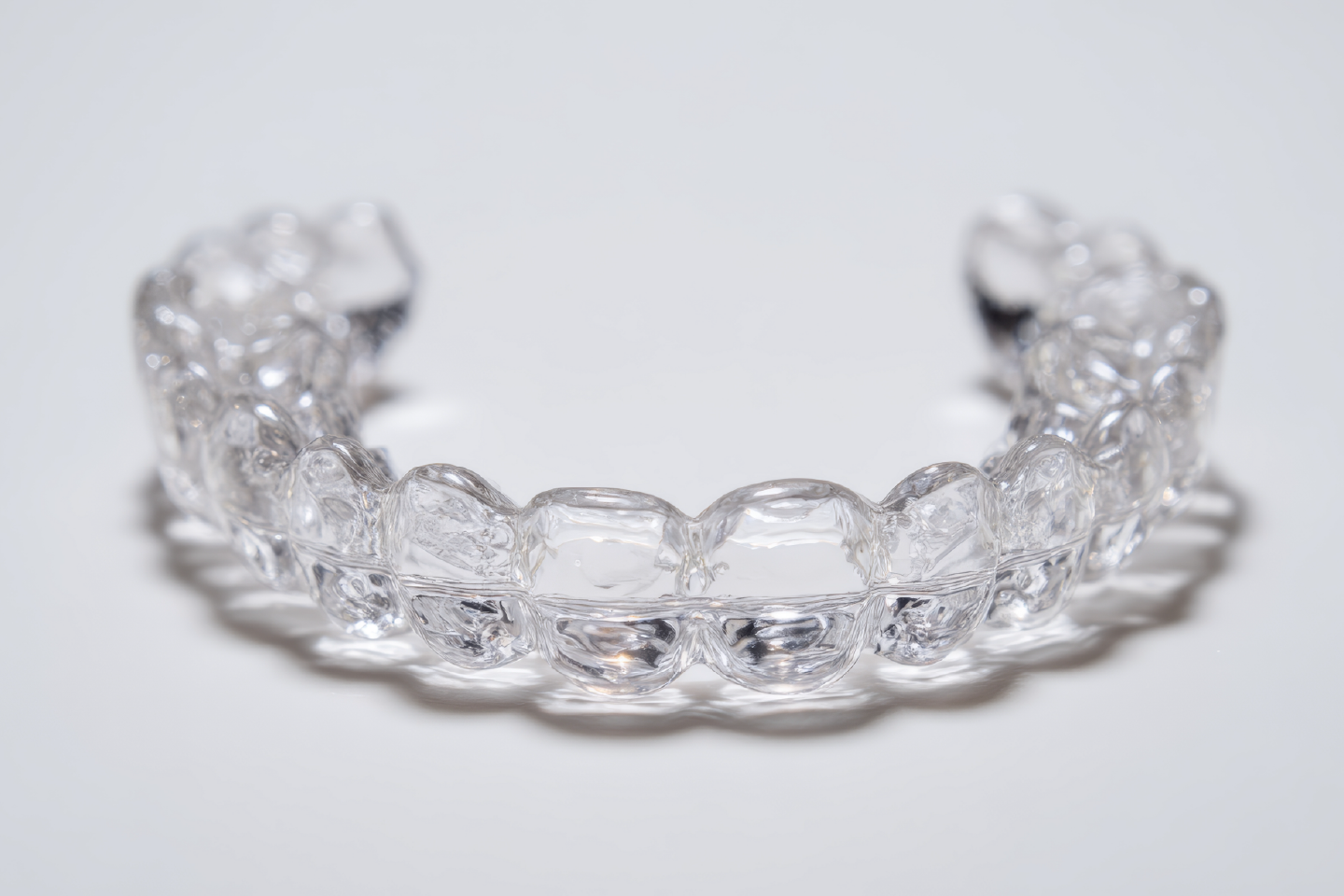
Custom-made dental appliances, such as night guards or splints, can protect the teeth from grinding and reduce muscle tension. These devices help reposition the jaw and alleviate pressure on the TMJ, often resulting in decreased pain and improved function.
Targeted exercises and manual therapy can strengthen jaw muscles, improve mobility, and relieve tension. Physical therapy may also include posture correction, massage, and guidance on optimal jaw movement.
Patients can adopt several self-care practices to support TMJ management:
Regular monitoring of symptoms and timely follow-up can help prevent long-term complications associated with TMJ disorders.
You should consult a dental professional if you experience:
Early intervention can prevent worsening of symptoms and reduce the likelihood of chronic discomfort.
TMJ disorders can significantly impact daily life, but with careful assessment and appropriate management, most patients experience relief and improved function. Approaches such as lifestyle adjustments, oral appliances, physical therapy, and, in selected cases, medical or surgical interventions provide effective strategies for managing pain and restoring jaw health.
If you experience jaw discomfort, headaches, or difficulty chewing, scheduling a consultation at Alpha Dental Group is a key step toward relief. Our dental team will assess your symptoms, identify the underlying causes, and guide you through personalised TMJ management options. Restoring comfort and function in your jaw can improve both oral health and overall quality of life.







.svg)


